The North Carolina Forest Service lifted its burn ban for 81 of the 100 counties in North Carolina Sunday morning.
This is a story WRAL first brought you Saturday evening.
Other WRAL Top Stories
The ban is still in place for Forsyth, Guilford, Davidson, Randolph, Alamance, Chatham, Stanly, Montgomery, Moore, Anson, Stokes, Rockingham, Davie, Rowan, Iredell, Cabarrus, Gaston, Mecklenburg and Union counties.
Even in counties where the ban is lifted, some outdoor burning rules apply. Here's a list.
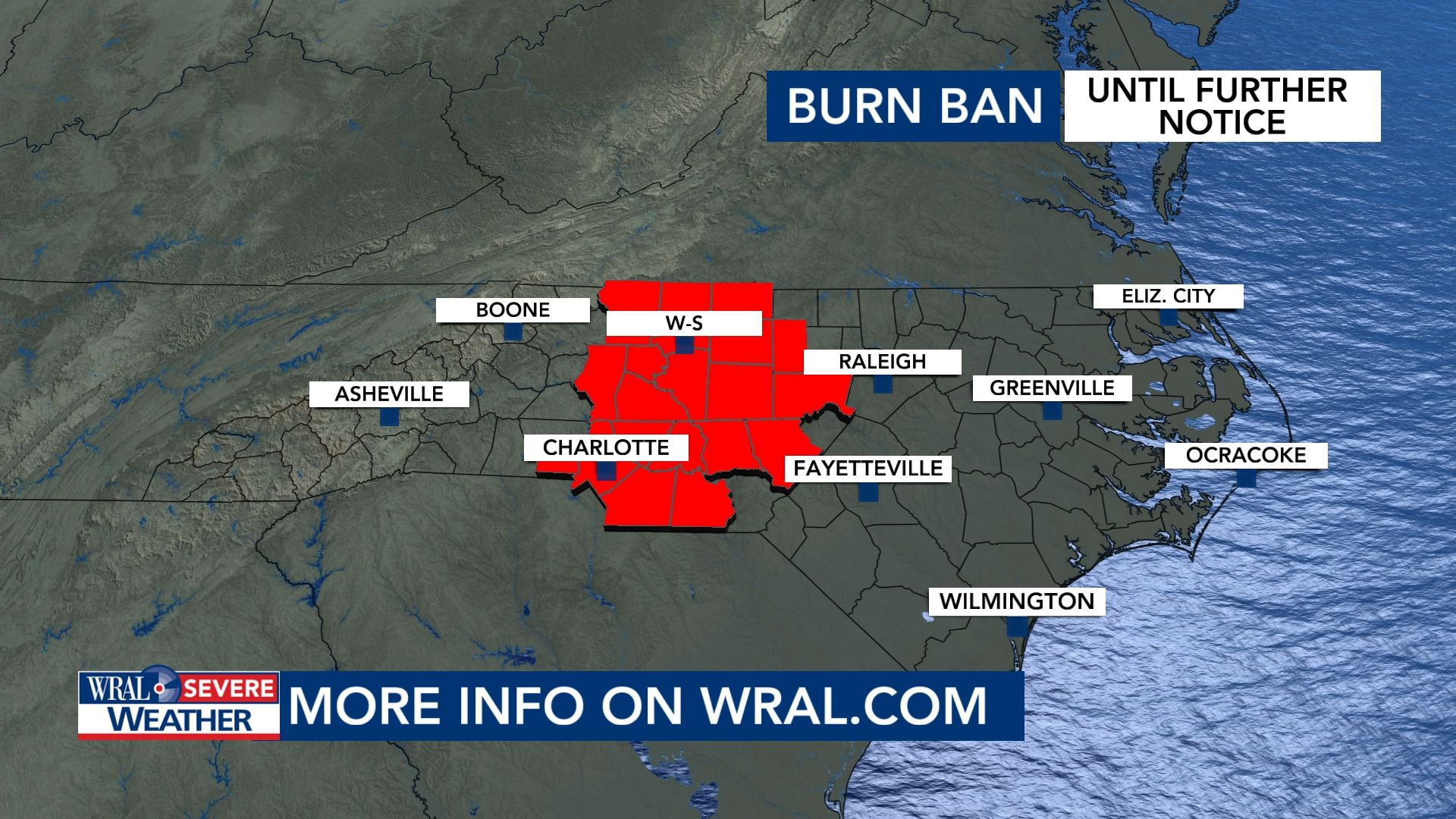
Read the full press release here for details.
Why was the ban lifted?
According to the above press release, Agriculture Commissioner Steve Troxler said, “The recent rainfall has provided some relief and has moderated fire danger enough for us to lift the ban on open burning in 81 counties."
The commissioner went on to say, "Be extremely vigilant with any outdoor burning if you’re in one of the 81 counties no longer under the state-issued ban. Make sure you have a valid burn permit, tools and a water source, and stay with your fire."
We are still in a severe-to-extreme drought across a majority of North Carolina.
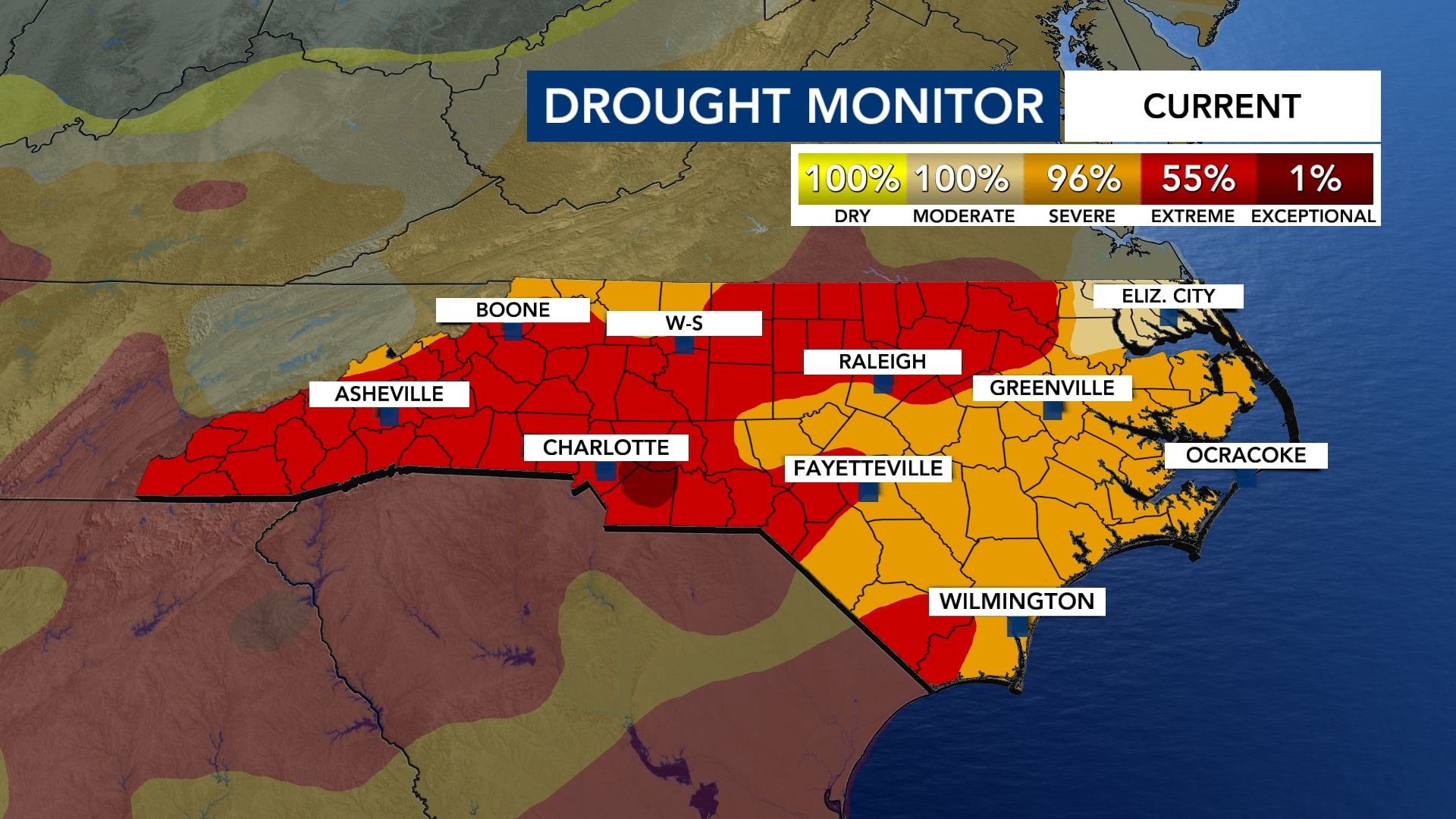
What's the status of our drought?
There is a lot that goes into a drought. It's both meteorological and hydrological.
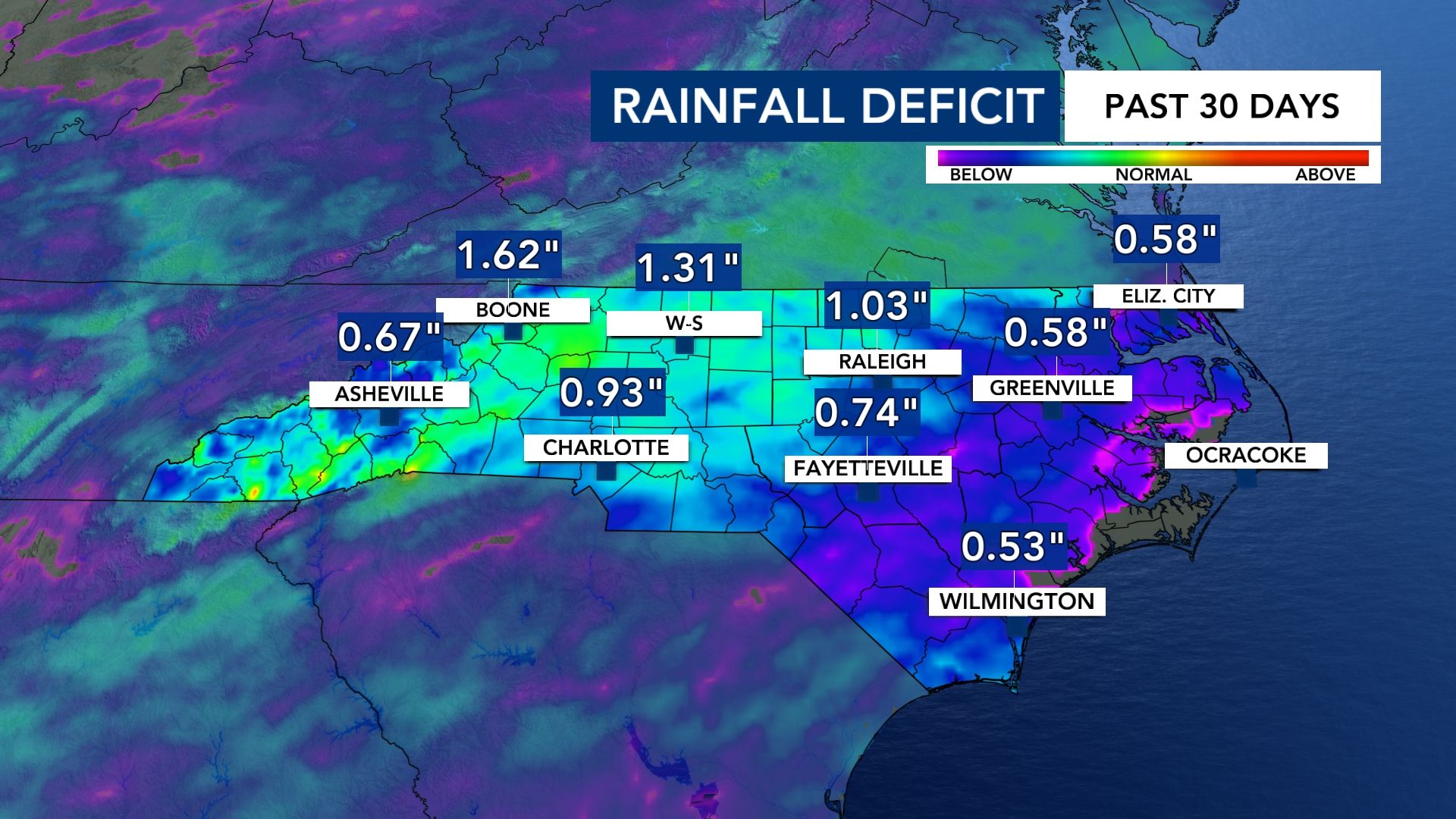
In terms of weather, there has been some relieving rain but not nearly enough to get us out of drought status.
The below map shows our rain totals over the last 30 days being 0.5" to 1.6" below average across the state.
Keep in mind that this drought has been months in the making.
Take Raleigh as just an example. Since September, we're more than a foot behind on rainfall.
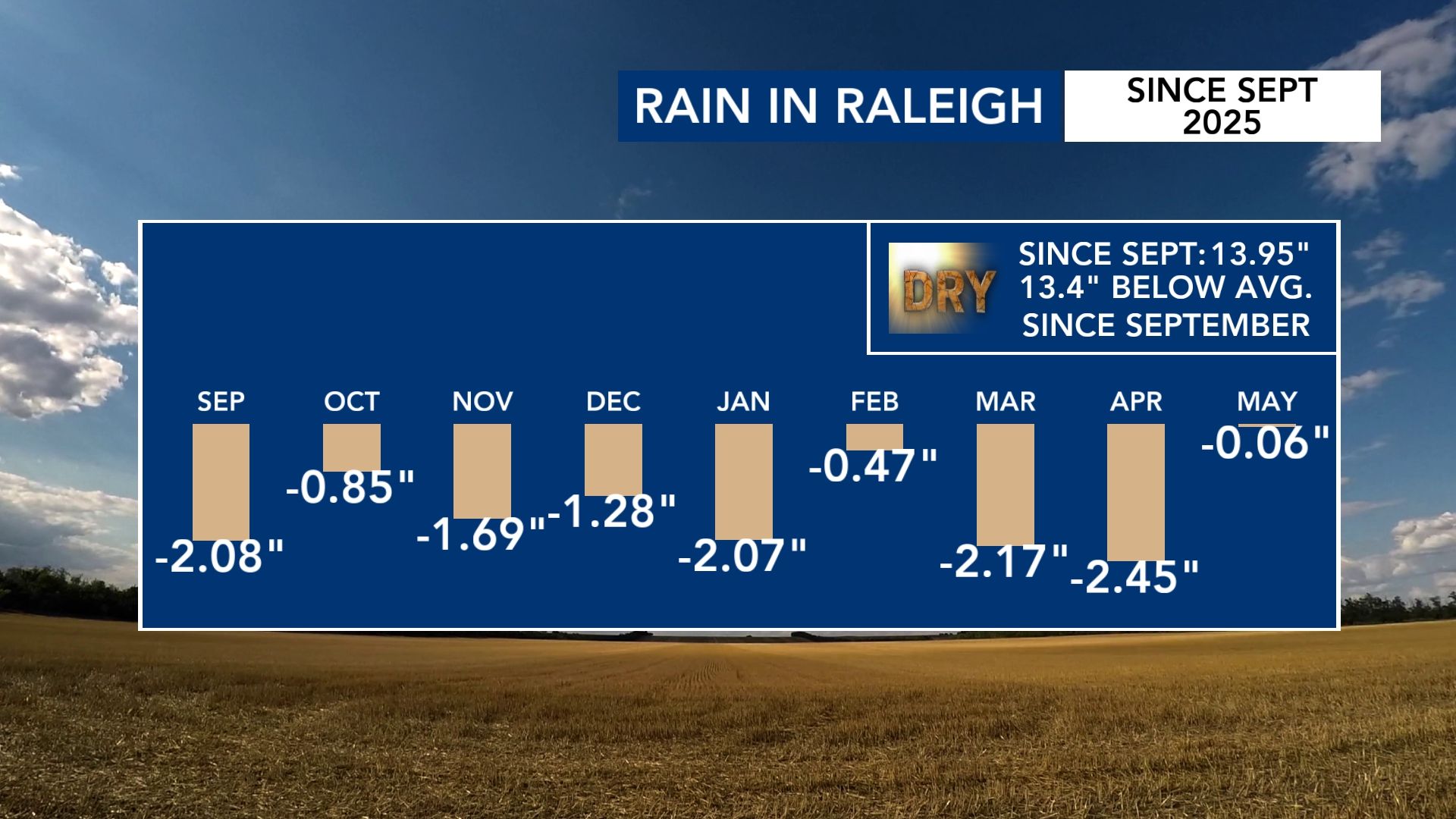
This is part of why you'll notice reservoir/lake levels lowering, and why some communities have enacted water restrictions.
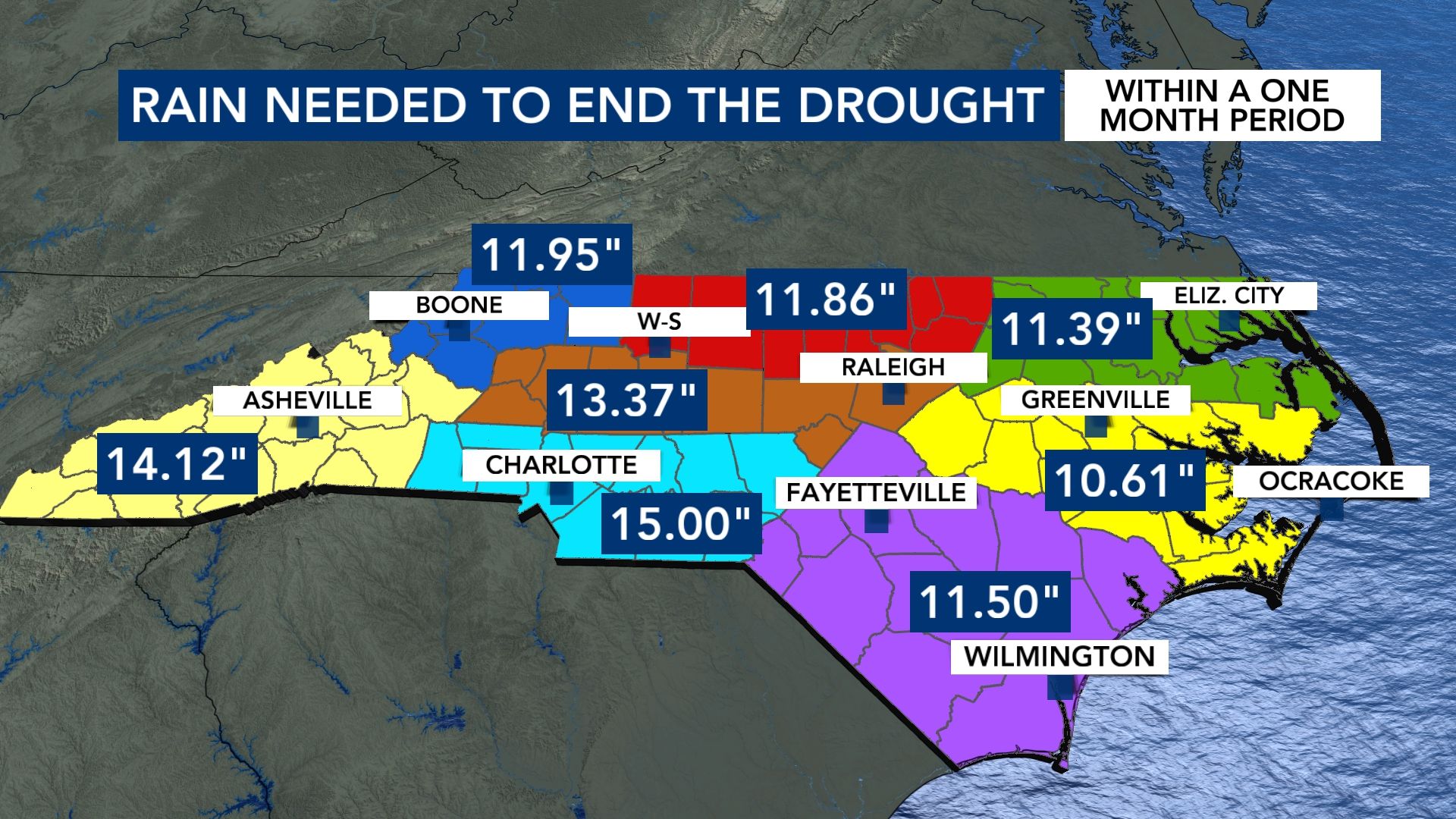
That's why it would take anywhere from 10-15" of rain within a four-week span to completely eradicate the drought.
Could we see some improvement?
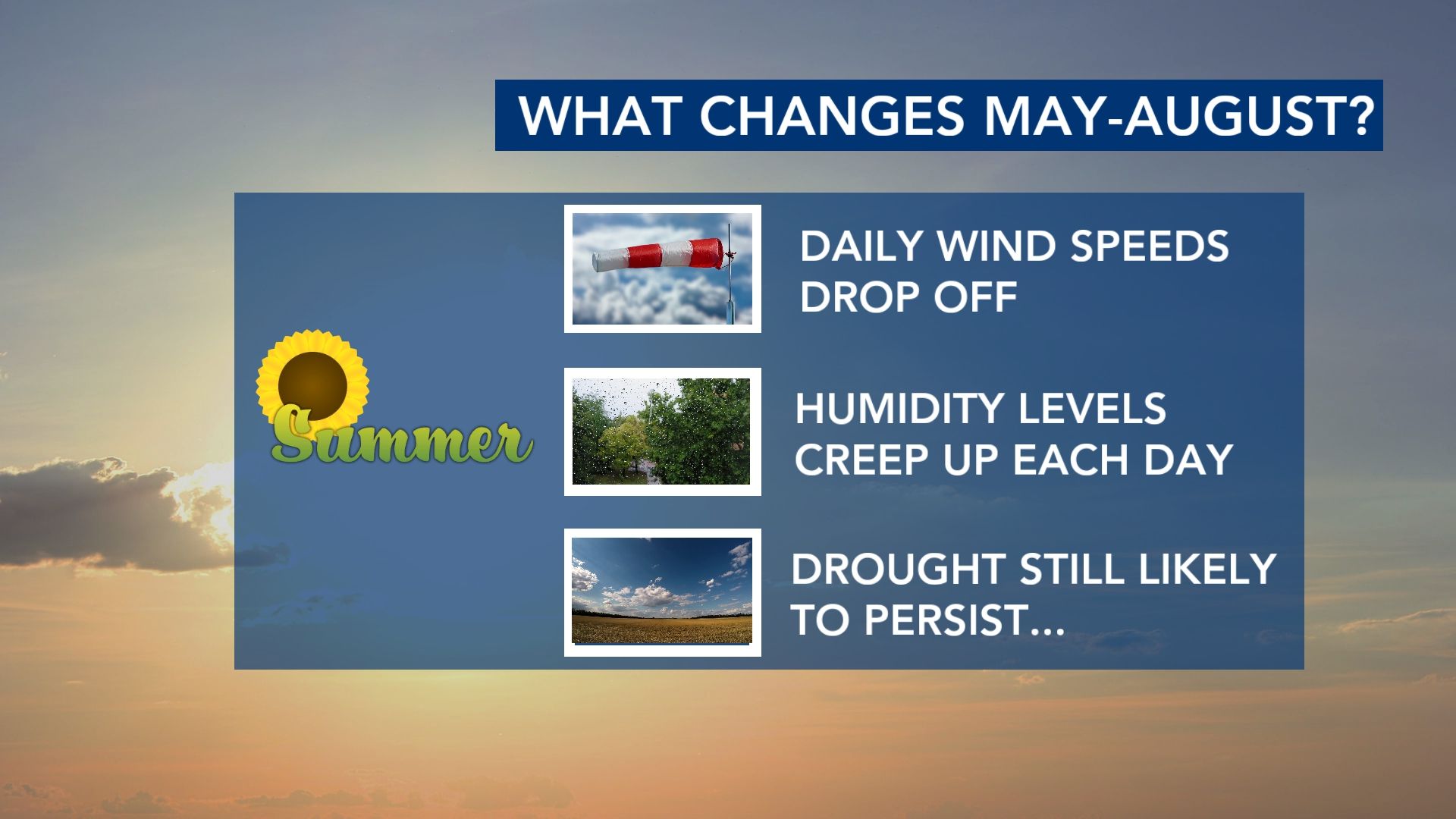
While we're still in the middle of spring wildfire season, there are a few factors in the summer that might reduce the fire risk on a day-to-day basis.
As you head into the summer months, you typically see wind speeds backing off. You also see a rise in humidity levels.
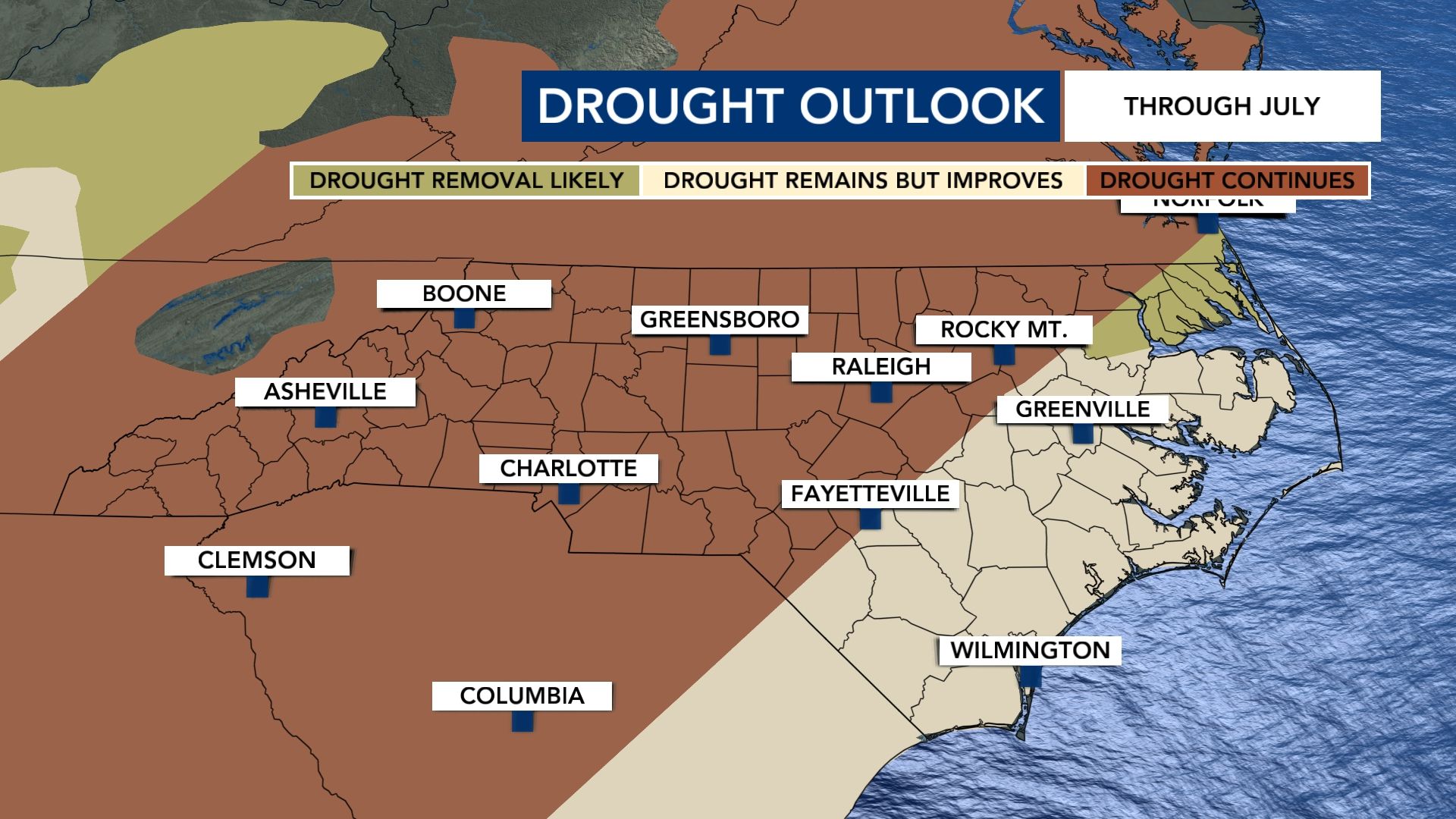
However, the drought is still forecast to continue into the summer.
This is according to NOAA's Climate Prediction Center's outlook from May through July 2026.
Increased evaporation due to higher temperatures and higher sun angle in the summer will likely keep the drought going, even if we see some relieving rain.
We can certainly hope for more rain chances, as we're heading into an El Niño.
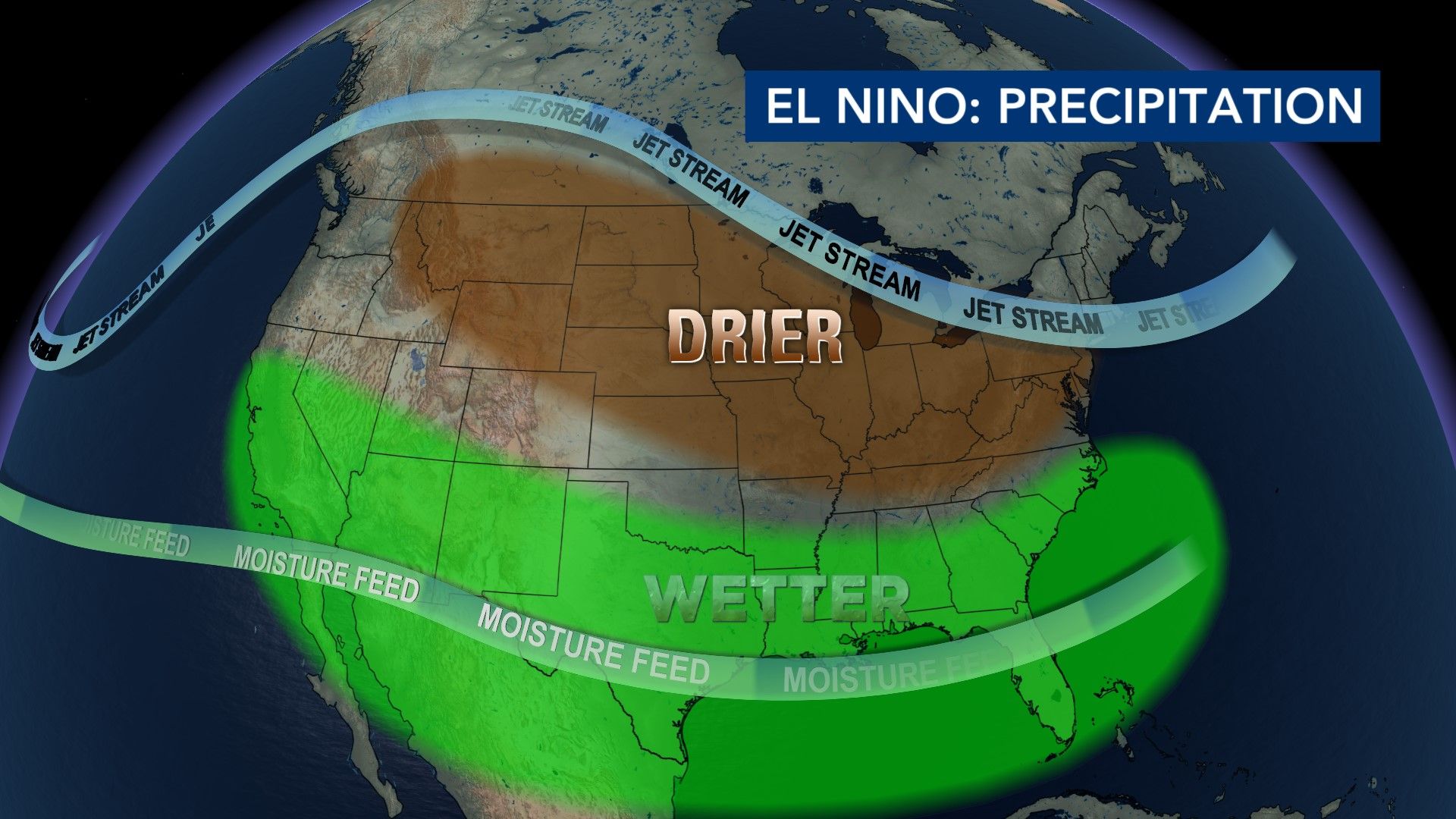
El Niño typically leads to a more active subtropical jet stream in the Eastern U.S., and should (hopefully) bring about more frequent rain chances with less frequent tropical systems.