In the Triangle area, the decision to initiate a high-speed chase by law enforcement can be as much about geography and jurisdictional policies as it is about the actions of the driver.
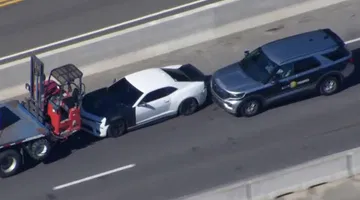
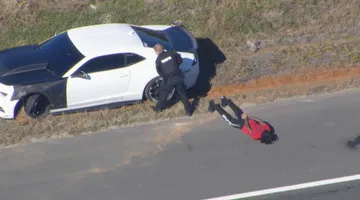
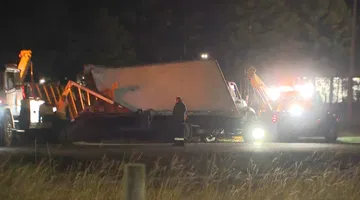
WRAL Investigates analyzed the chase policies for several Triangle agencies following an early morning chase in Raleigh—the third chase in our area in two weeks.
Other WRAL Top Stories
WRAL found both the Highway Patrol and Wake Sheriff's Office employ nearly identical chase policies. Those agencies were involved in all three of recent chases.
These policies categorize drivers based on their perceived threat level to the public.
Once placed into one of those categories, officers also consider the time of day, traffic congestion, weather conditions and roadway type. For instance, an officer would be more likely to chase on a fairly empty highway versus a road with several intersections.
Both Highway Patrol and the Wake Sheriff's Office allow their members to initiate a chase immediately. However, the officer or supervisors have the authority to halt a chase if it becomes too risky, highlighting the delicate balance between enforcing the law and ensuring public safety.
Raleigh's approach to vehicle pursuits is notably more restrictive.
Officers there are only permitted to engage in a chase if there is probable cause to believe that someone in the vehicle has committed or is threatening to commit a violent crime. This policy underscores the city's emphasis on minimizing potential harm during high-speed chases, prioritizing safety over aggressive pursuit.
In contrast, Durham's policy limits officers to chasing individuals only if they witness the commission of a felony or misdemeanor.
An example of this occurred last year when a driver, during a traffic stop, rammed into a Durham Police Department cruiser. However, the policy also dictates that if an officer attempts to stop a driver for speeding or a similar violation and the driver flees, the officer is prohibited from pursuing, reflecting a cautious stance on pursuits.
Each law enforcement agency conducts thorough reviews of every chase to ensure compliance with their respective policies.
Notably, in 2021, the most recent data supplied to WRAL shows the Highway Patrol determined that over a quarter of its chases exceeded policy guidelines.