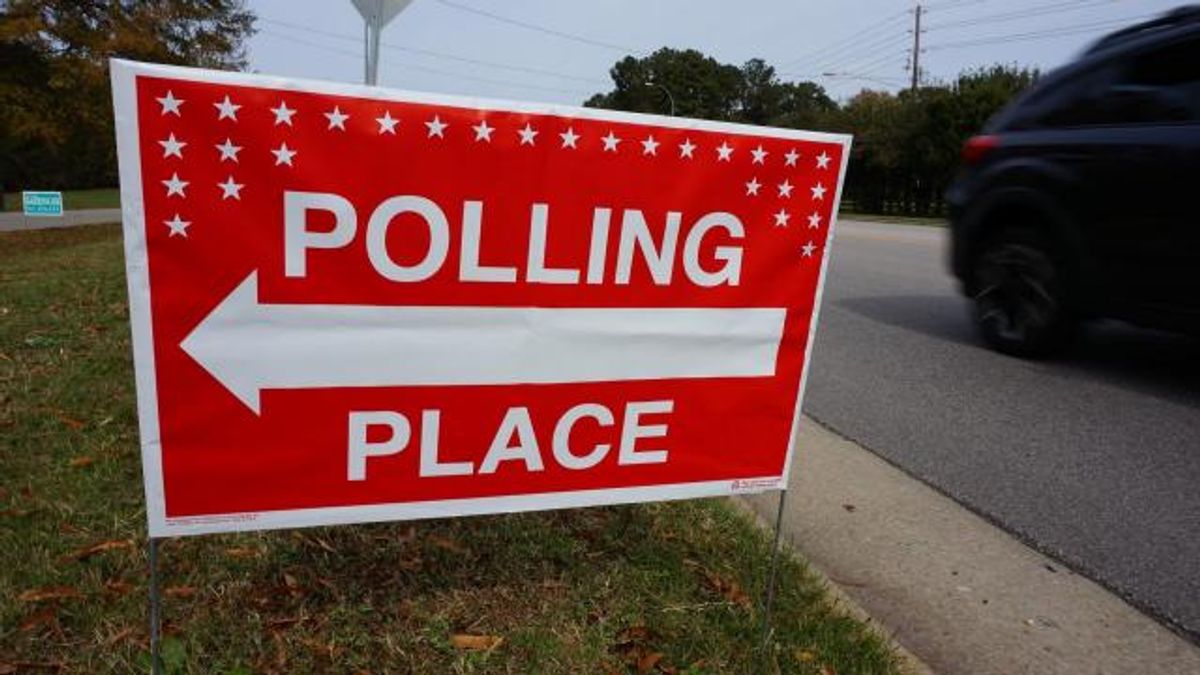
State Board of Elections staff on Tuesday stood by the process used to certify new election machines.
For weeks, activists, reporters and board members have asked for more information about the tests run on machines that were approved in August, which was a long-awaited step required before counties could buy new machines to use in the 2020 elections.
Other WRAL Top Stories
On Tuesday, Elections Director Karen Brinson Bell and key staff presented a 10-page response that boils down to this: The process laid out in state code was followed, and the systems can be used in the coming elections.
The issue may still bring a lawsuit from activists who have questioned the process for more than a month as part of a broader push to require hand-written ballots in North Carolina instead of allowing touchscreen voting machines that spit out a paper ballot and record votes in a bar code. At least one board member left Tuesday's three-hour-plus board meeting unsatisfied.
"My concerns, my misgivings ... largely remain," Stella Anderson said as the meeting wrapped.
But Brinson Bell, who took the reins at the agency earlier this year, said the security reviews undertaken meet the requirements of North Carolina state law – something a current and a former lawmaker who helped write the law have questioned.
Process questions centered largely on two issues: Whether the state did a required source code review on new machines and why the new machines were tested to 2005 voting security standards instead of 2015 guidelines, given that state law requires the latest guidelines be used.
Bell, backed by board attorneys and her chief information officer, essentially said the state's certification process was delayed for so long that it was allowed to rely on the earlier guidelines. All three systems recently certified were submitted for certification prior to July 6, 2017, the go-live date the U.S. Election Assistance Commission set for the 2015 standards, board staff said in their report.
As for the source code review, the report says that was handled by a company called Pro V&V.
Marilyn Marks, a Charlotte activist whose group brought lawsuit to require hand-marked ballots in Georgia, said the board's report "gives us a lot of fodder for a lawsuit."
"What's been happening here for the last, I don't know how long ... is clearly illegal, noncompliant and in defiance of what the General Assembly has ordered," Marks said.
In other business Tuesday, the board dismissed a complaint that sought to remove Robeson County Board of Elections Chairwoman Tiffany Peguise-Powers. Peguise-Powers donated to Democrat Dan McCready in the run-up to last year's 9th Congressional District election, and a complaint was filed after a picture of her with McCready at a campaign event turned up on social media.
But the picture appeared to have been taken before Peguise-Powers was on the elections board, and it wasn't posted to her social media account. State law limits what sitting board members can say about political candidates, not what they say before joining a board.
Also, Peguise-Powers' accuser didn't show up for Tuesday's hearing. She had Joshua Malcolm, a fellow attorney in Robeson County and a former chairman of the State Board of Elections, representing her.
The decision to dismiss was unanimous, though Republican member Ken Raymond expressed concerns about the picture's optics.
The board also decided Tuesday to delay implementation of a new policy on campaign finance investigations after attorneys who do that sort of work expressed concerns with the way a confidentiality provision would work in practice. The board approved a separate policy laying out investigatory procedures on election fraud.