Triangle apartment market healthy, research firm says
Owning a home used to be considered the American dream, but it appears these days many people are happy to just rent.
Posted — UpdatedIn fact, Real Data apartment market research firm says the apartment market remains healthy, citing more than 15,000 apartments that are currently slated to be built in the Triangle. The average vacancy rate is 5.5 percent, the lowest it's been since 1998.
Brian Reece, managing partner of Karnes Research Co., a local real estate market research firm, calls the building pace historic.
The reason, he says, is the economy.
"As a first-time home buyer, you possibly can't get a loan, so you're going to have to live in an apartment," Reece said. "Or you're going to have people trying to sell their home and they can't sell their home."
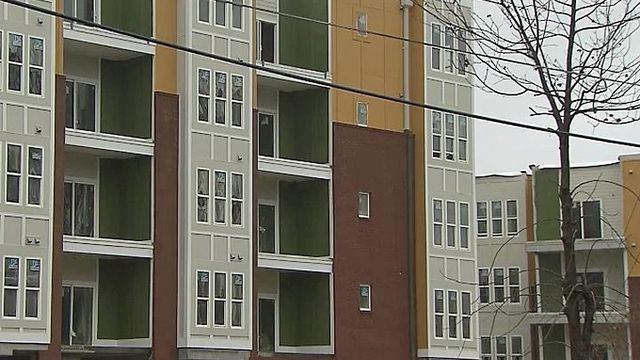
Downtown Raleigh is a good example of the apartment-building boom.
The 195-unit St. Mary's Square, at the intersection of St. Mary's Street and West Johnson Street in Raleigh's Glenwood South district, is expected to open by the end of the year.
A 250-unit project, 425 North Boylan, at the southwest corner of North Boylan Avnue and Tucker Street, also in Glenwood South, is expected to open next year.
And according to the Downtown Raleigh Alliance, 1,205 more apartments are slated to open in 2015.
That alone is a significant increase for the Capitol City, considering no new apartments opened in downtown in 2012.
With more people looking to rent, experts say tenants should expect to pay more.
Real Data says the average rental rate for an apartment in the Triangle is $868 per month, about $34 per month more this year compared to last year.
Reece says prospective renters might want to consider waiting about six months to a year. Prices, he says, are likely to plateau and apartments currently under construction will become available at the same time, meaning renters might be able to find good deals.
• Credits
Copyright 2024 by Capitol Broadcasting Company. All rights reserved. This material may not be published, broadcast, rewritten or redistributed.