Raleigh mom worried while missing son was at Durham hospital
A Raleigh mother was left to wonder why she never got a call during the six days that her schizophrenic son was being cared for at a Durham hospital.
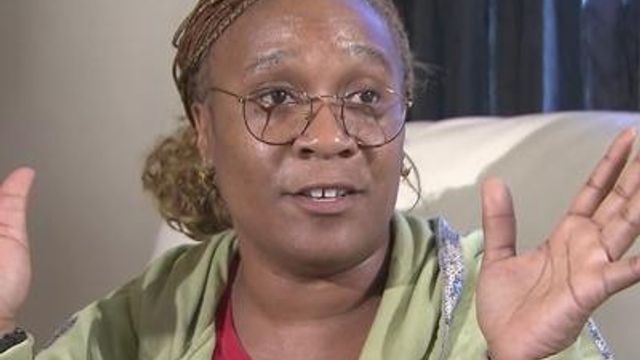
Posted — UpdatedCarnell Shuler said her son, Ray Williams, 23, left their home Oct. 2 for the day with $3 in bus fare and no medication. Two days later, when he failed to return, she reported him missing, and the state issued a Silver Alert.
All the while, Williams was being cared for at Durham Regional Hospital for his mental disorder, Shuler discovered Tuesday evening.
Shuler said her son told her that a Wake County sheriff's deputy took him to the hospital. She's unsure why the hospital never contacted anyone in light of the Silver Alert.
For days, she said, she was left fearing the worst.
"I was crying all the time. I was worried. I couldn't sleep," she said. "I think they need to step forward and be more responsible."
Even when she called the hospital herself, she said, she was told that, because of her son's age, medical staff couldn't tell her if he had been admitted.
Shuler said her son also asked the staff to contact her several times.
A hospital spokeswoman declined to talk about Williams' case but said that staff doesn't generally check Silver Alerts unless law enforcement asks that they do so.
Jim Sughrue, a spokesman for the Raleigh Police Department, said that both the police officer and detective assigned to Williams' case checked for him at numerous places, including Raleigh hospitals and mental health facilities.
"There was nothing in the information that was provided or that was developed during the course of the follow-up investigation that linked the missing person to Durham or suggested he might have left Wake County," Sughrue said in an email.
"He was reported to have no means of transportation and no money," Sughrue added.
Developed in 2007, the Silver Alert system quickly notifies the public about missing, endangered adults who suffer from dementia or other cognitive impairments, such as Alzheimer's disease.
It also allows caregivers and nursing homes to report a person missing. In the past, only a family member could report an adult missing.
First Sgt. Jeff Gordon, of the North Carolina State Highway Patrol, and the director of the state's Center for Missing Persons says that once a Silver Alert or Amber Alert is issued, law enforcement agencies, as well as the media, are notified.
Hospitals, however, have to sign up to receive such notifications.

• Credits
Copyright 2024 by Capitol Broadcasting Company. All rights reserved. This material may not be published, broadcast, rewritten or redistributed.