NC State uses GPS tracking device to catch bike thieves
Campus police Capt. Jon Barnwell said the department started using the devices in November. They caught their first thief in January. Since then, only two bike thefts have been reported, a marked decrease from the 24 thefts reported in the previous two-month period.
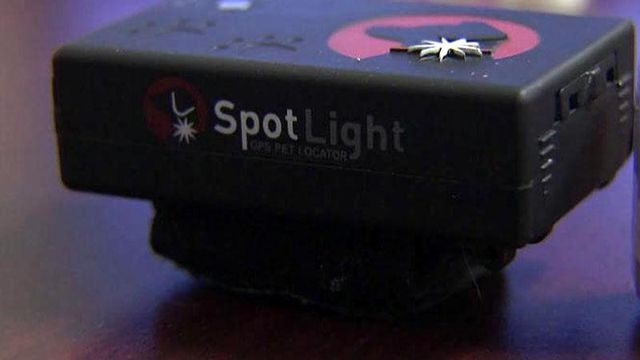
Posted — UpdatedCary-based Securus, Inc. makes CatchAThief GPS locators. They are small – only about the size of a matchbox – but they're yielding big results for N.C. State.
Police can hide the devices on "bait bikes" and set up a "safe zone." If the bike moves out of that zone, police quickly receive an e-mail or text alert and can track the device online with turn-by-turn directions.
"At any university, the major crime is theft," Barnwell said. "It's the theft of anything of value, including bikes."
Campus police Capt. Jon Barnwell said the department started using the devices in November. They caught their first thief in January. Since then, only two bike thefts have been reported, a marked decrease from the 24 thefts reported in the previous two-month period.
"The majority of the time, it's repeat offenders, and they know each other and talk to each other," Barnwell said. "Since we've already caught one, the word is starting to spread."
Barnwell said 138 bikes were stolen last year, with a combined value of about $21,000. The university plans to use GPS devices on laptop computers in the future.
"We hope the word will spread that if you come to this campus, it's not a matter of if we catch you, but when," he said.
The technology was originally developed at Securus to track lost pets, but the company continues to find new uses for GPS tracking.
"Our CEO actually uses it with his kids to track his kids," said Jock Johnston, a spokesman for the company. "He knows when they get on the bus, when they get to school, when they leave school."
Several products are already on the market, with many more still in development stages. There's a device for children with special needs or adults with dementia or Alzheimer's disease who may wander away from home.
The tracking is Web-based, so users can keep tabs on their loved ones from a computer or a phone.
"Typically the alert comes within 30 seconds," Johnston said. "It will tell you where they are, how fast they are traveling."
Parents can even set the devices to alert them if their teen is driving over the speed limit.
Products range in price from $150 to $250 and have a monthly service charge, typically about $15. They are accurate within 10 feet, Johnston said.
• Credits
Copyright 2024 by Capitol Broadcasting Company. All rights reserved. This material may not be published, broadcast, rewritten or redistributed.