Last week, people all over the U.S. posted their photos of something that once was a bucket list item - the Aurora borealis.
It's not the first time, however, that we've seen people photographing it as far south as Florida.
Other WRAL Top Stories
So, why are we seeing the aurora more?
It has to do with solar activity, but it also has to do with the rapid advancements in technology - specifically the technology we carry in our pockets every day.
How does the aurora form?
Let's just keep it really simple, so we don't go writing a Harry Potter novel here.
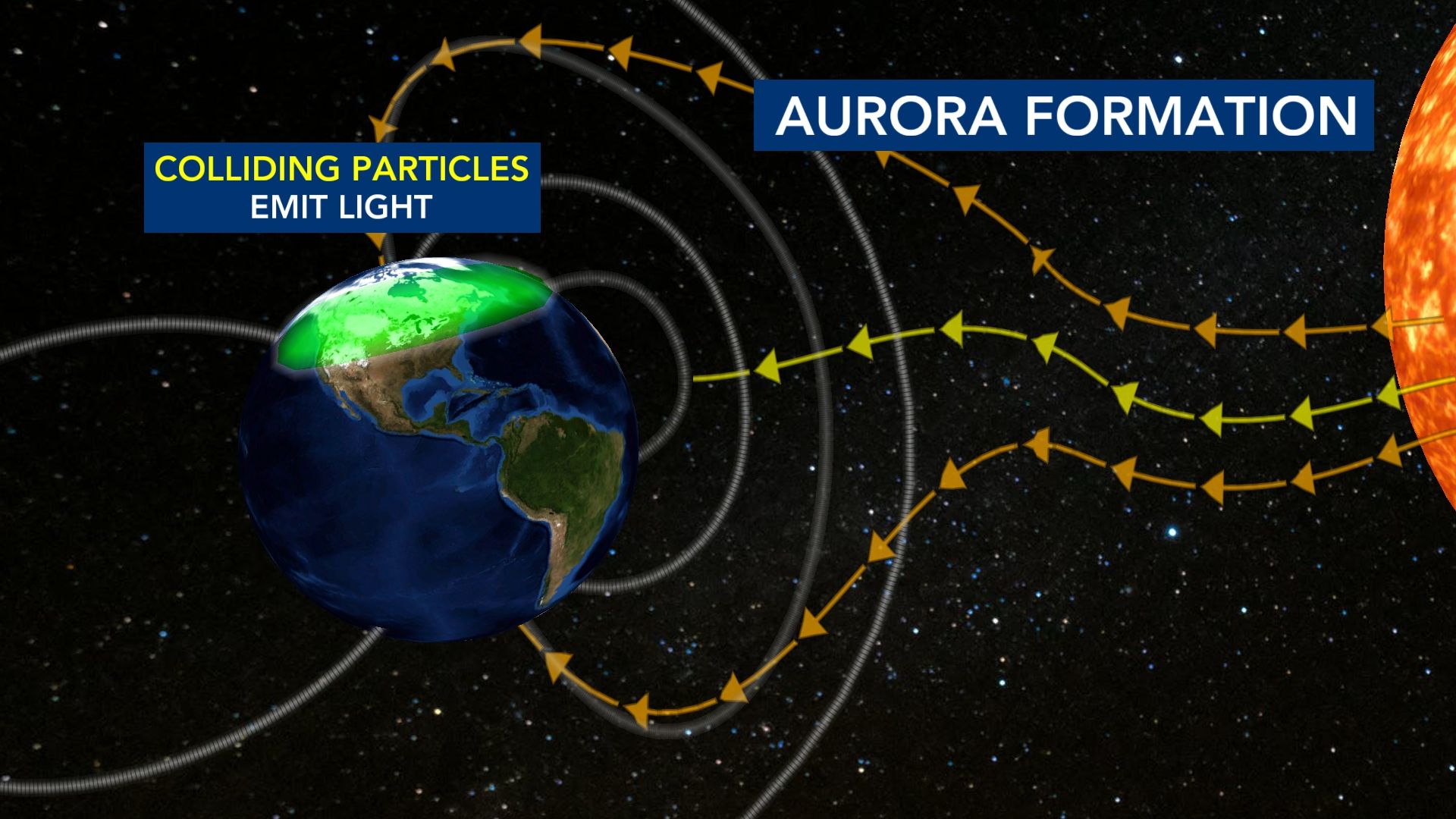
The aurora forms when solar flares interact with the earth's magnetic field. The stronger that interaction, the farther south they can be "seen." (You'll see why I put that in quotes a few lines down.)
Why are we seeing the northern lights more?
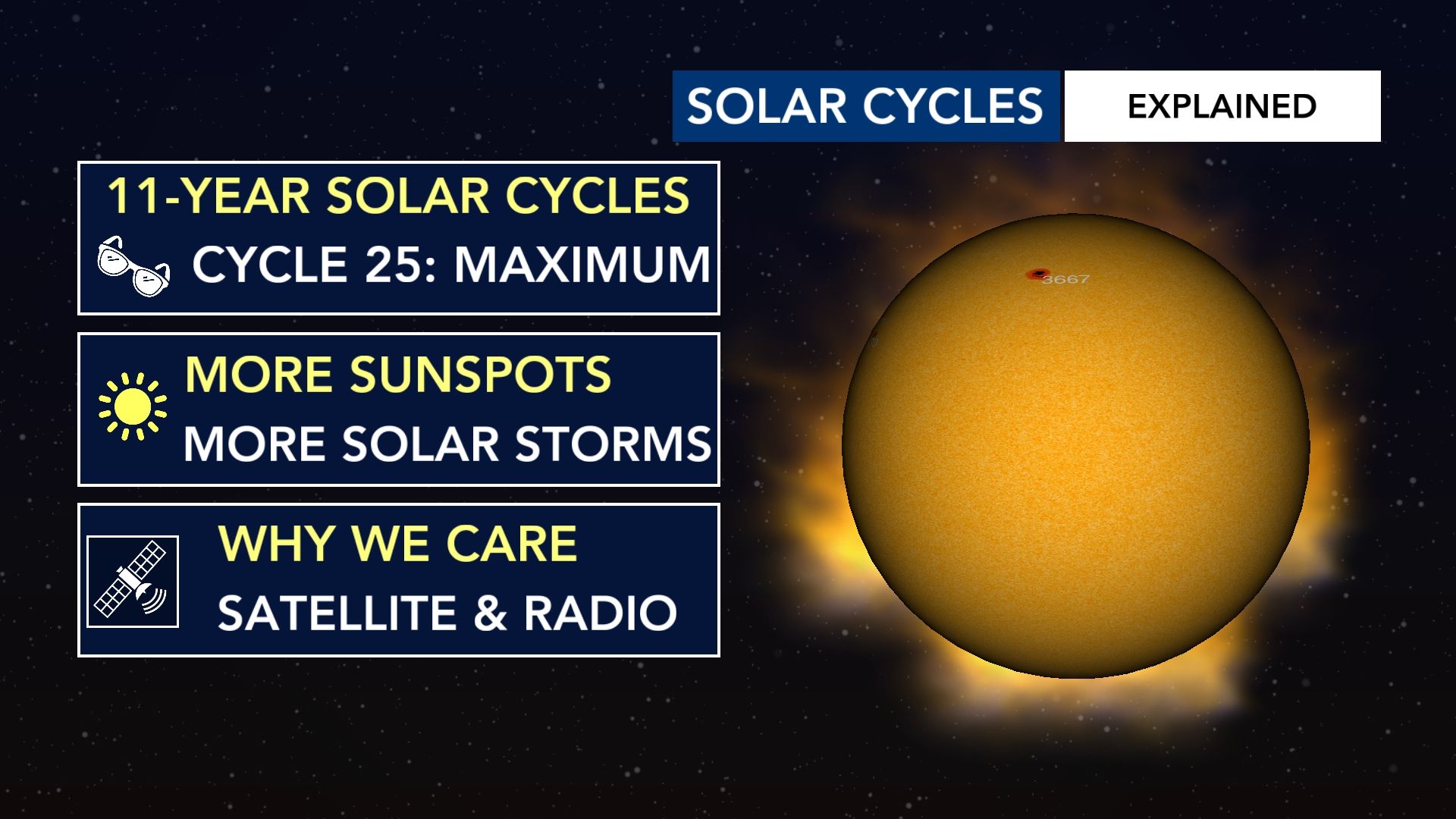
The astronomy part of this has to do with sun behavior. The sun goes through cycles about every eleven years.
We're just moving past a solar maximum, in which there are more sunspots. The more sunspot activity there is, the more of these flares you'll see.
By that logic alone, you stand a better chance of seeing some interaction with Earth's magnetic field. Therefore, you have a chance of seeing the aurora.
Forecasting these flares (done by NOAA's Space Weather Prediction Center) is important to several industries - including those that rely on low-orbit satellites and radio frequency.
It's not just science...it's technology and recency bias.
Let's look at these solar cycles over the past century, and let's then pair that with certain technological advancements.
In 1975, the first digital camera was invented. By the year 2007, the first iPhone burst onto the scene. It's been rapid fire since then. The iPhone 10 was released a decade later, and we're now on the 17th installment of the iPhone.
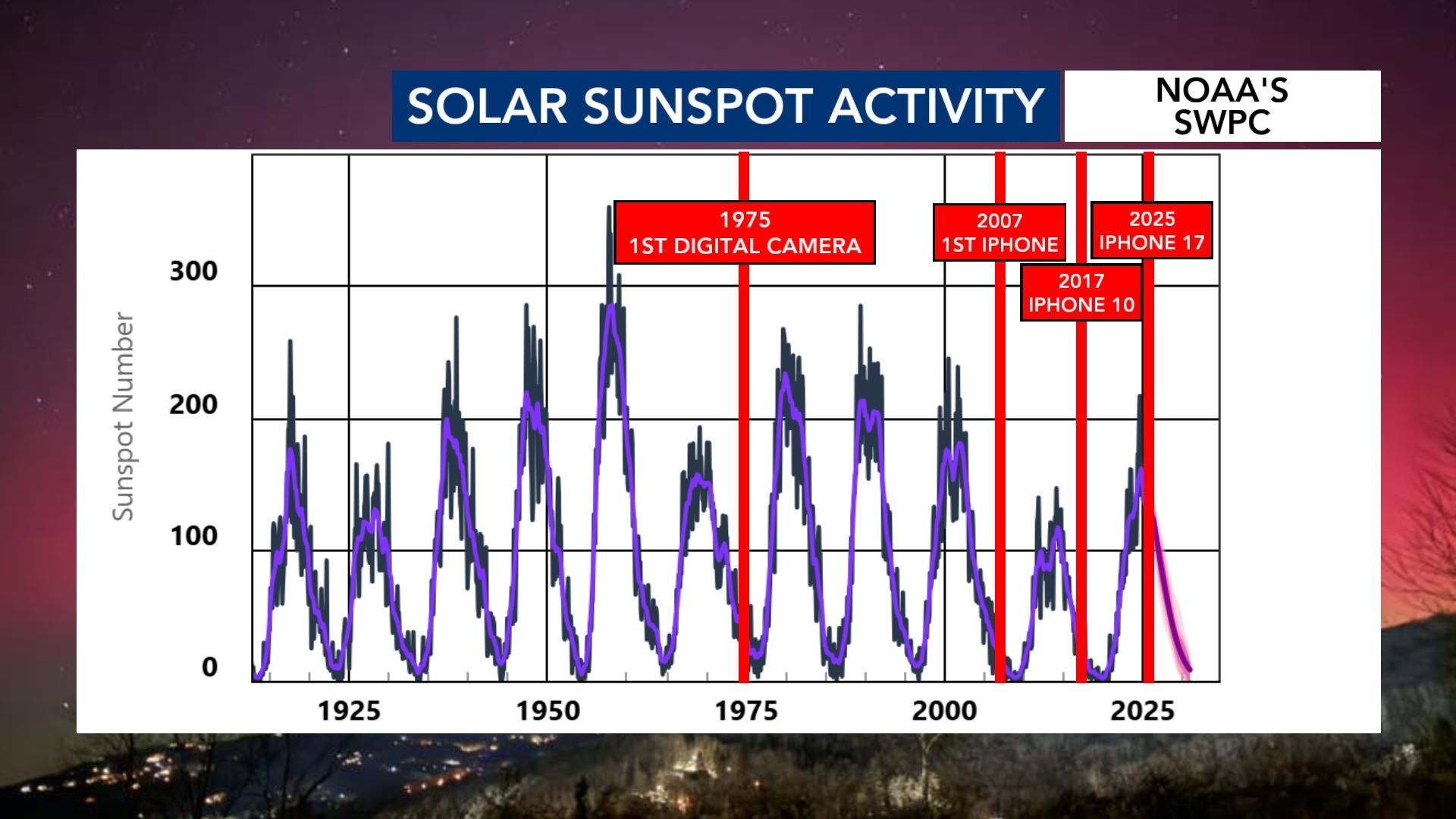
The ability for these phones to capture images with long exposure settings in "night mode" allows us to see something we thought we'd never see.
Light pollution prevents us from seeing the spectacle naturally in most cases, meaning that you have to get to dark spots to see it with the naked eye. That's even during the stronger/more severe geomagnetic storms.
You also have an increase in social media users, meaning that you're seeing more and more images on your feed than you otherwise would have.
Don't let that take away from the excitement we get from phenomena like this, but just know that its recent uptick is both due to science and perception.
---
Have questions about the weather and how it works?
Send me an email with the subject line 'Ask the Meteorologist:' to cmichaels@wral.com.