Mark Davenport - a WRAL viewer - was at Oak Island recently. When he looked out from the beach, he noticed what looked to be some sort of distorted view in the distance.
It wasn't that he needed his eyes checked. It was the atmosphere playing tricks.
Other WRAL Top Stories
Fata Morgana is an optical illusion that results from super-refraction of light. We'll explain what that means in a minute.
As for the name, it originates from the Italian name - Morgan the Fairy. Merriam-Webster says that this was the sister of King Arthur who was said to have super powers. One of those was changing shape and causing mirages near water.
What causes the Fata Morgana?
Ordinarily, temperatures drop as you go up in the atmosphere.
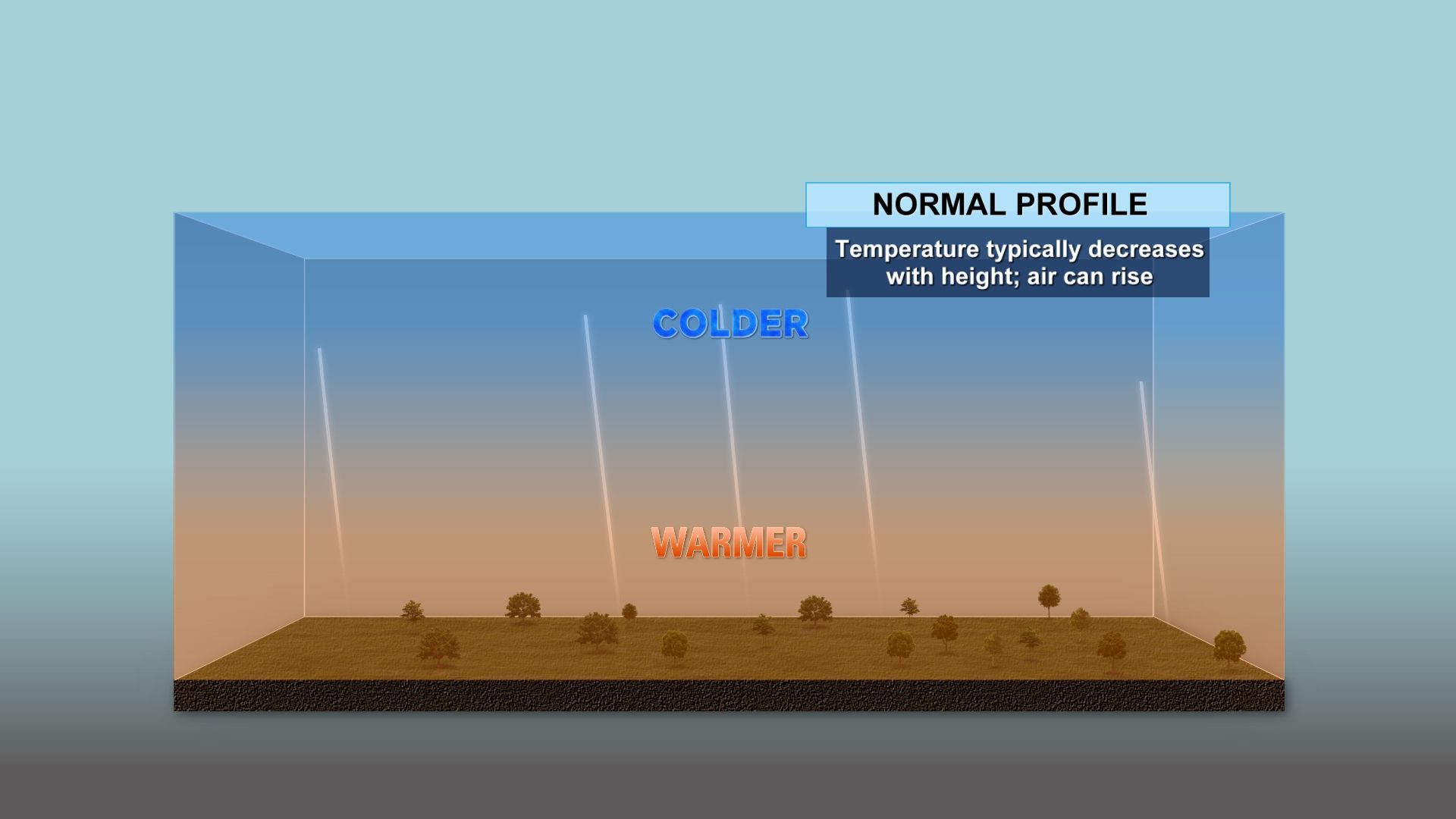
However, temperature inversions can and do happen. This is when there's a layer of warmth above a layer of colder air.
These happen most often between sunset and sunrise, as surface temperatures drop.
These inversions can trap sounds, smells and even sights.
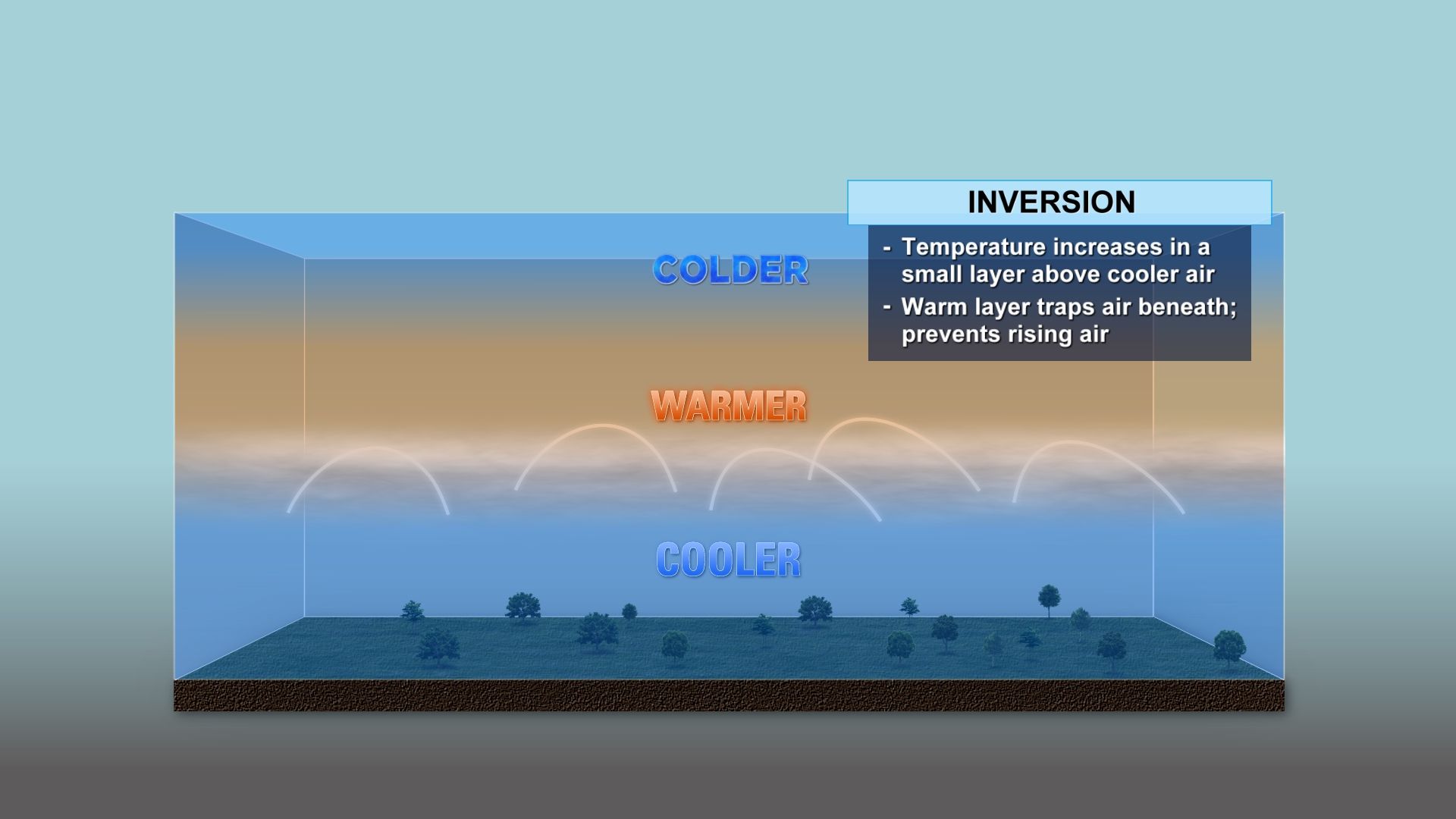
In the case of this past weekend, the temperature inversion was responsible for bending light far beyond what you'd typically expect.
Let's say you're standing at the beach. You look out, but you're looking out over a curved earth.
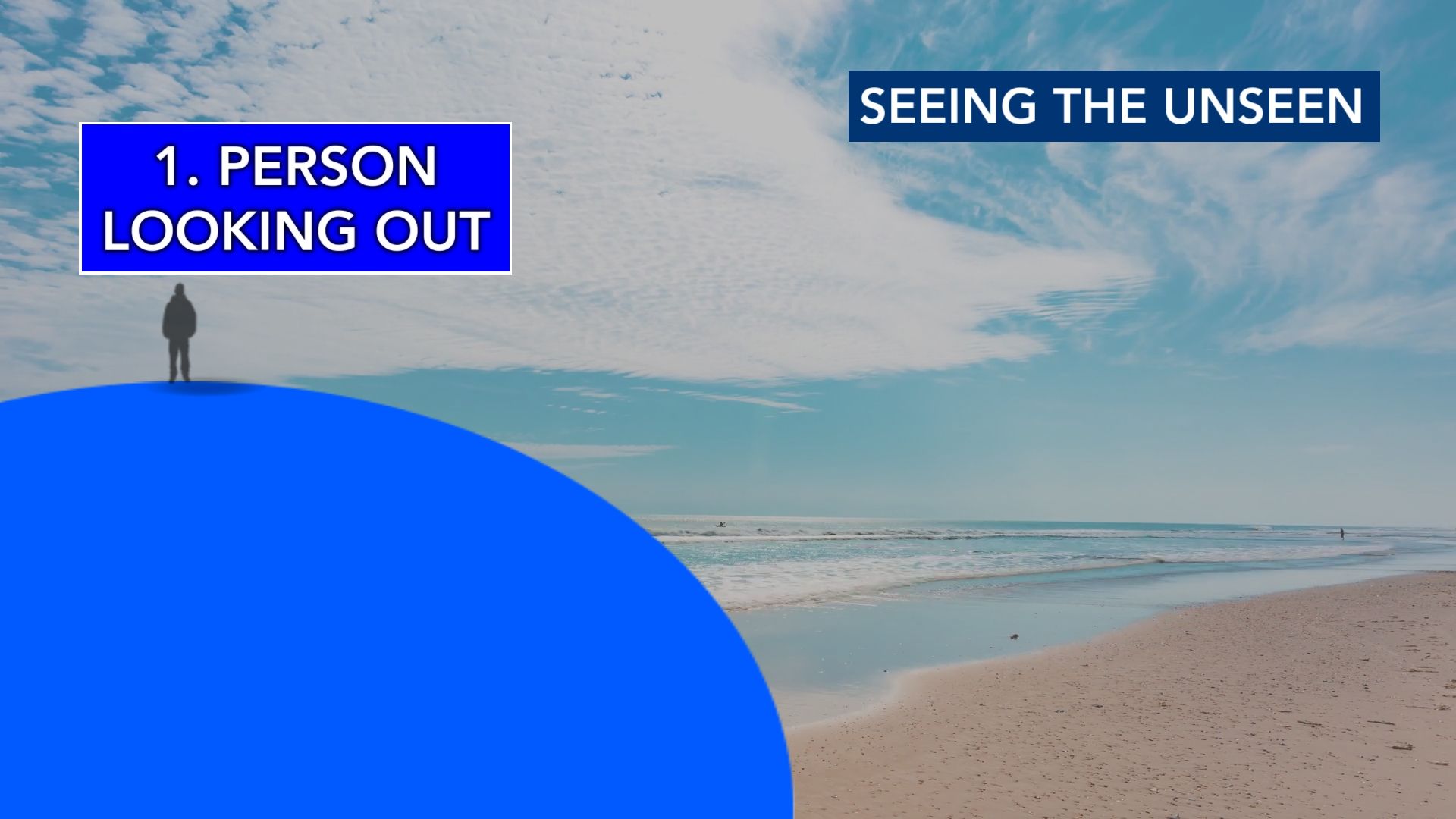
There's an object that's either beyond or below your line of sight. Let's say that object is a bridge or a ship.
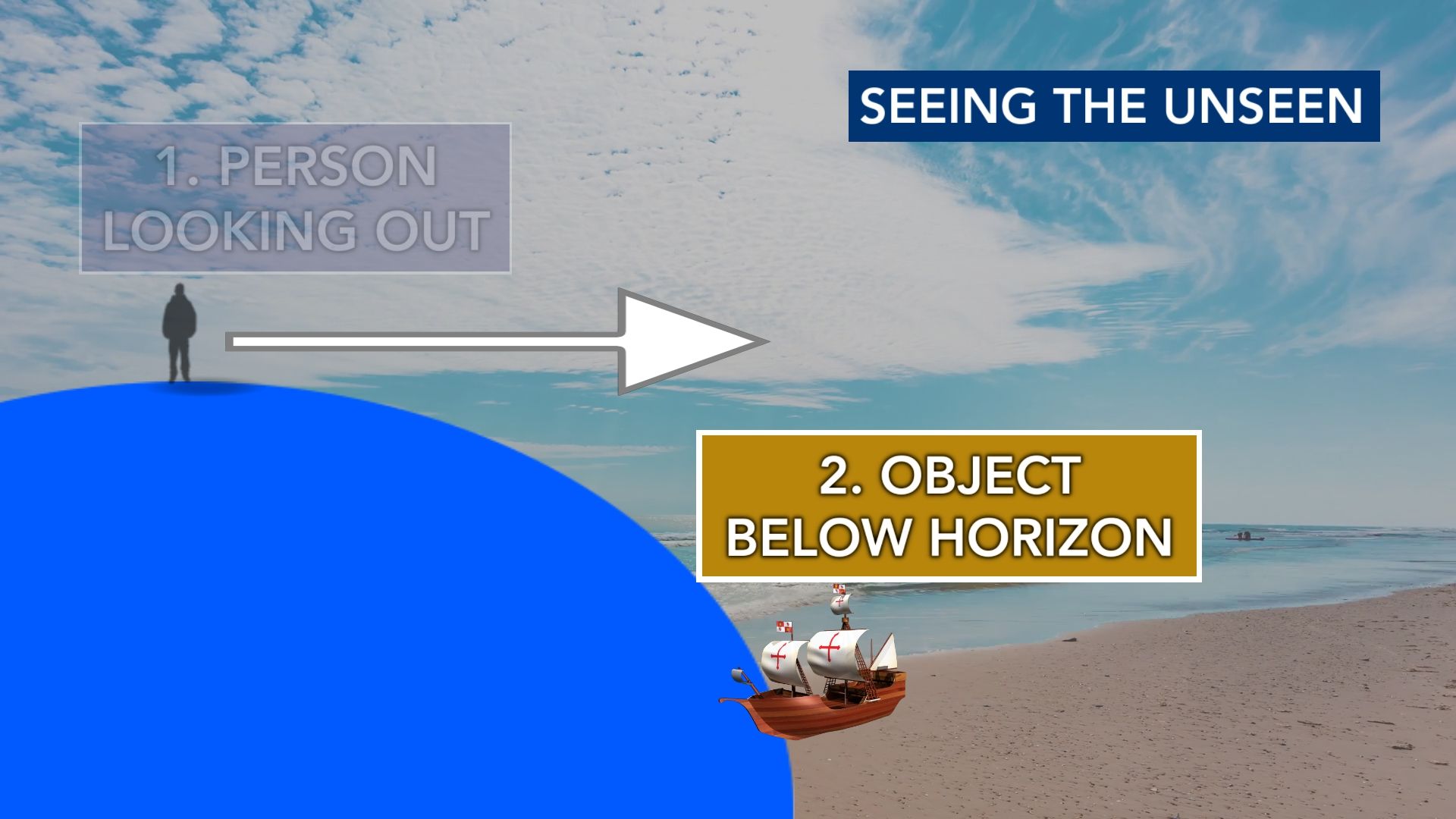
When there's a temperature inversion, it can bend that light to where it's visible higher than it actually is.
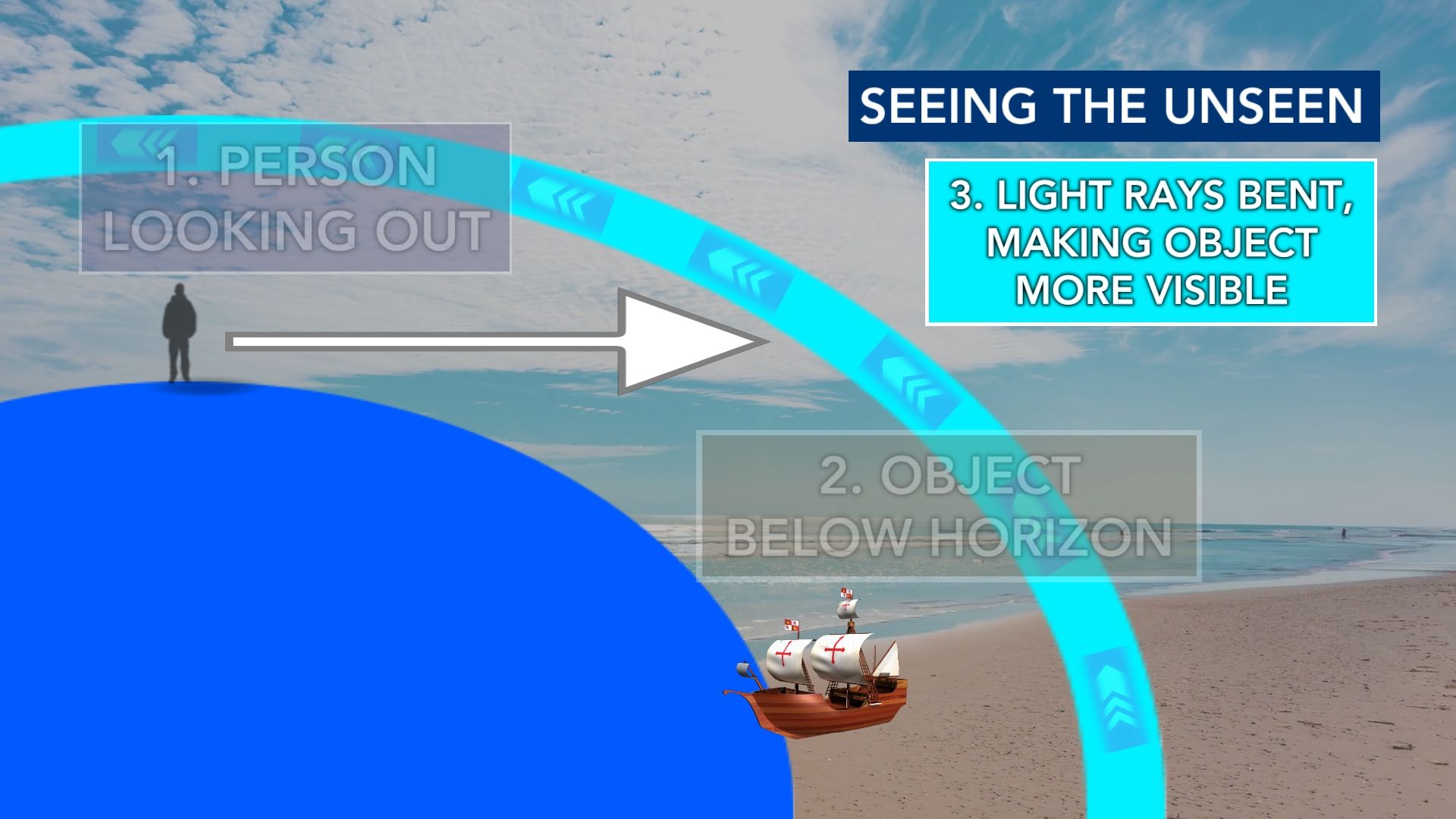
This creates a "false horizon." The area between that and the actual horizon can appear blurry or hazy.
You'll see this Fata Morgana happen at times on the Great Lakes, making it appear as though ships are floating above the water.
Fata Morgana and the Titanic
A little over a decade ago, the Smithsonian published an article about this optical illusion and its role in the Titanic sinking.
British historian, Tim Maltin, suggested that this atmospheric phenomenon was seen by several other ships in the area.
This could've impacted the Titanic's lookouts from seeing the iceberg before impact. It also could've prevented other ocean liners from communicating with the vessel before it crashed into the iceberg.