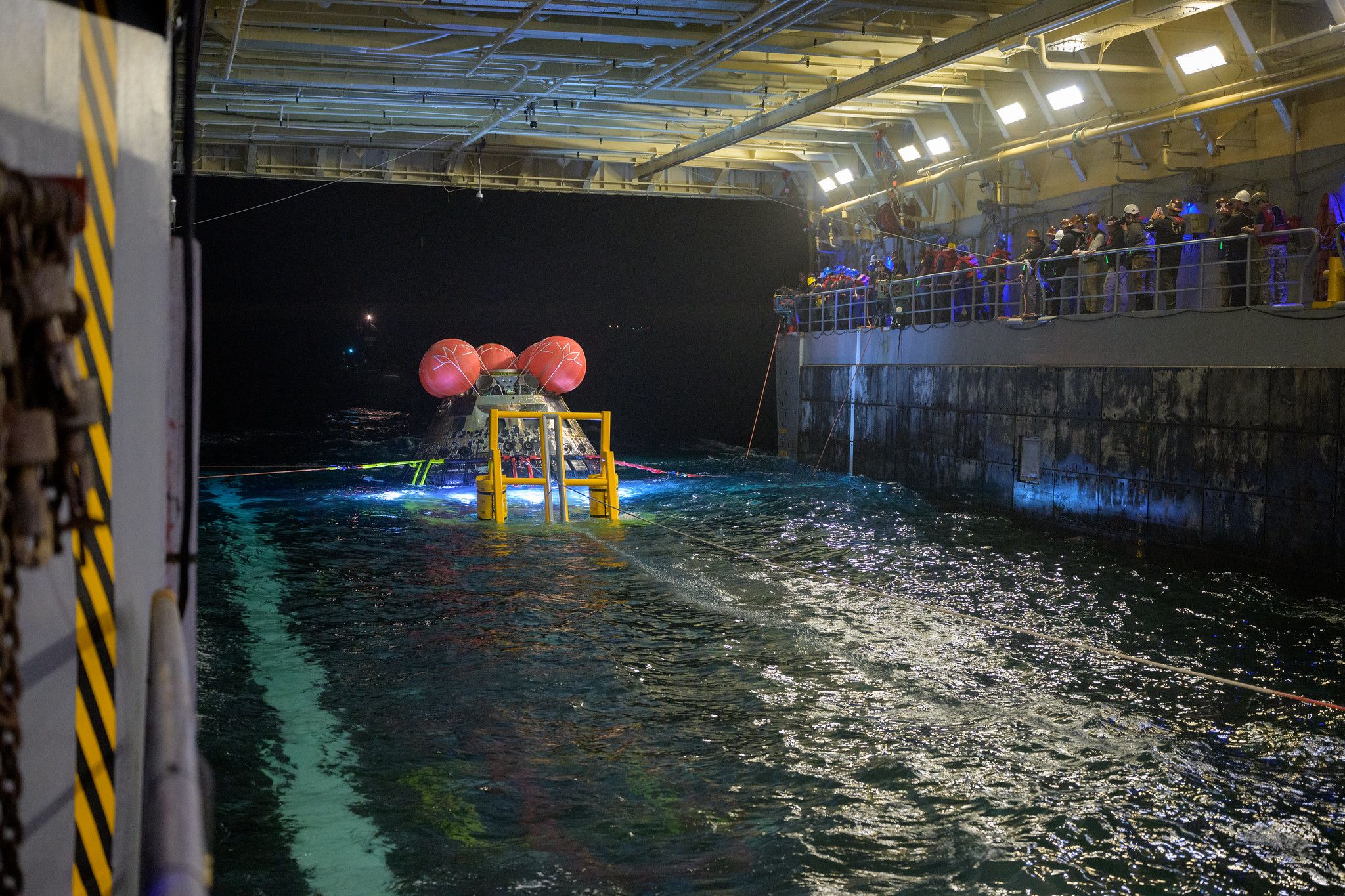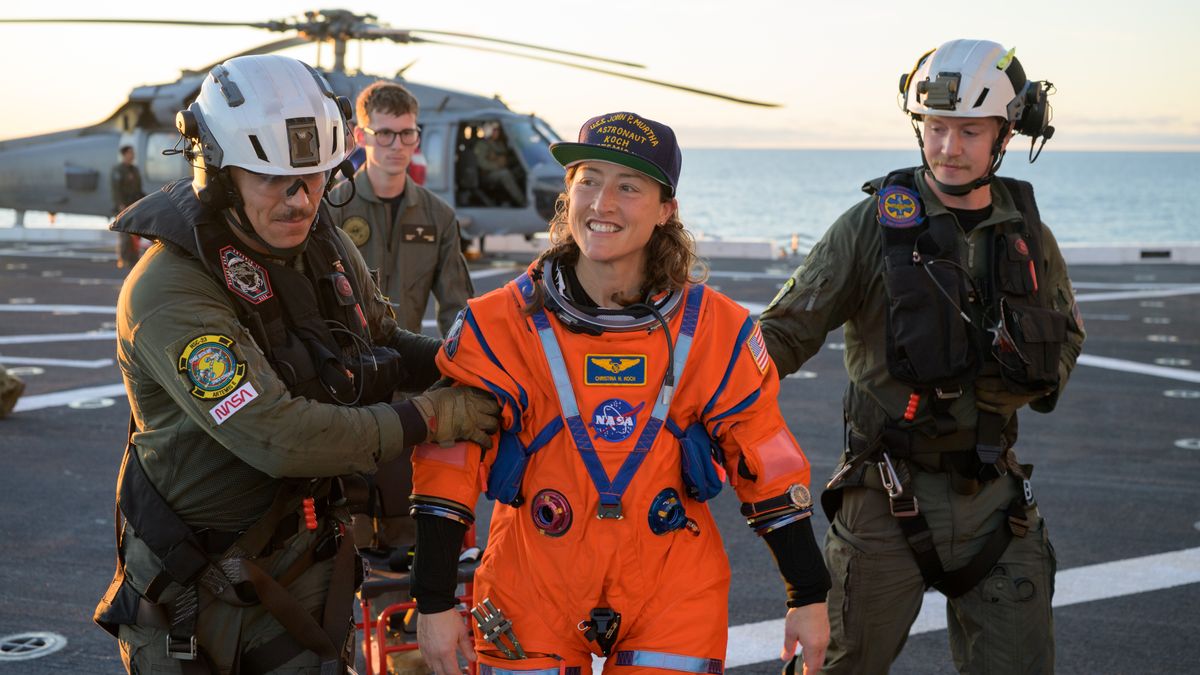
NASA worked alongside the FAA, U.S. Navy, Coast Guard, Air Force and Space Force to ensure the safe recovery of the Orion capsule, named “Integrity” by the Artemis II crew. Multiple helicopters, fixed-wing aircraft and recovery ships supported the operation, helping retrieve the astronauts and capture the live images that captivated the country.
UH-60 Seahawks
Other WRAL Top Stories
Four Seahawk helicopters, the Navy's variant of the UH-60 Blackhawk, circled the area awaiting splashdown. Two Seahawks, callsigns RCVRY11 and RCVRY12, circled in a protected area just off the splashdown zone.
Two more Seahawks, callsigns IMGRY21 and IMGRY22, circled the area, sending back live video of the descent, splashdown and Orion capsule bobbing off the coast of Baja California.
WF-57 Canberra
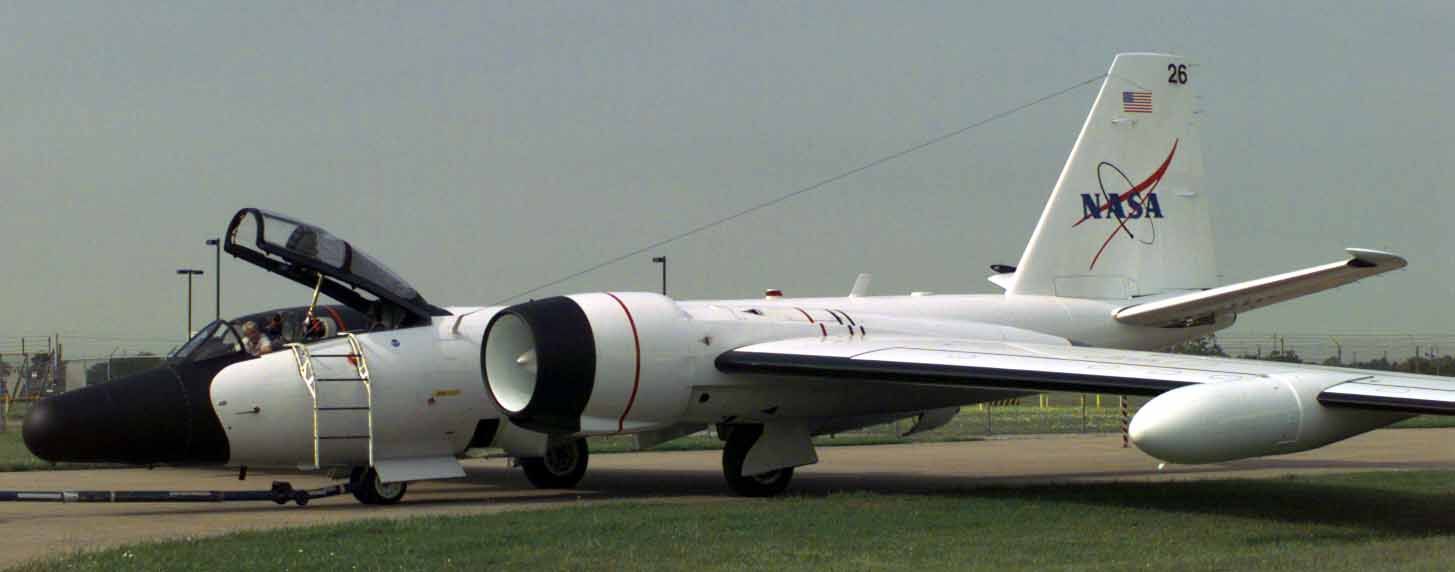
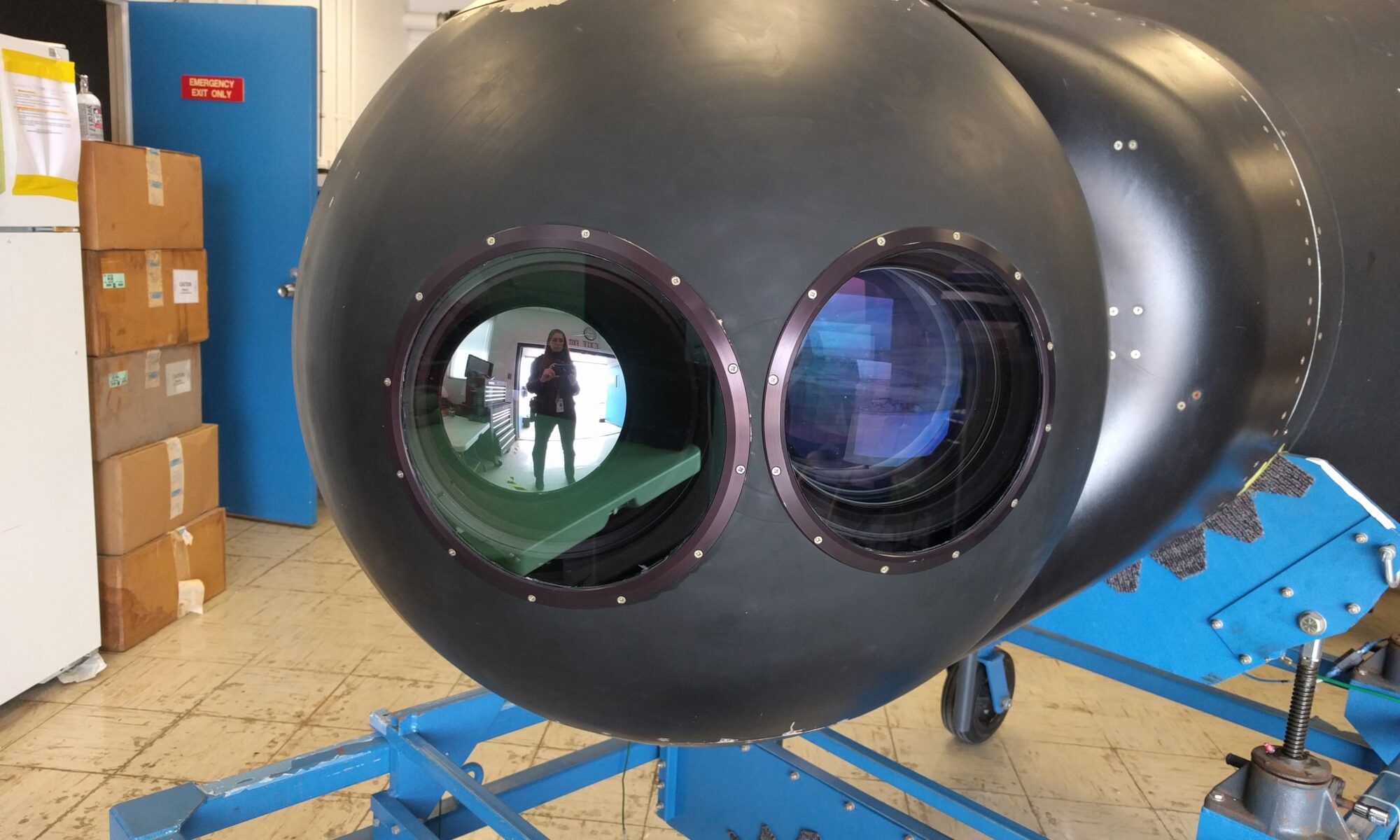
The first black and white images we saw of the capsule were captured by a WB-57, one of the few still flying. Originally developed as a reconnaissance aircraft by the Air Force in the 1960s, NASA926 captured live video of Integrity as it passed through 150,000 feet.
These images aren't just for recording history -- the high-definition and infrared cameras mounted on ball turrets provide valuable information to NASA about the descent and its effect on the spacecraft and crew.
NT-43 Radar Airborne Testbed
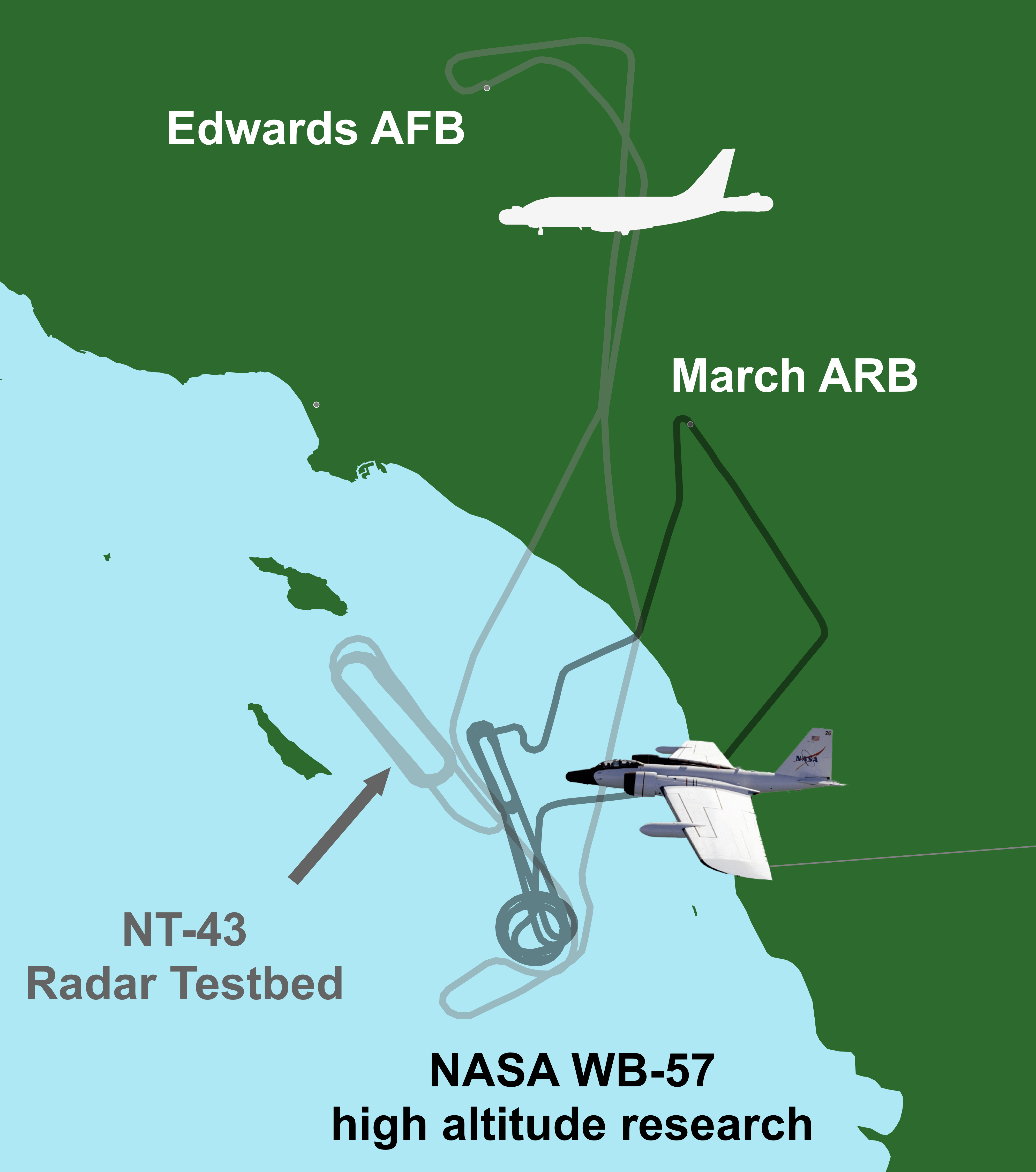
A rarely seen, highly modified Boeing 737, a flying laboratory that usually flew out of secretive airfields in Nevada fitted with sensors to measure radar signatures of stealth aircraft in flight, also supported the landing.
NT-43, which usually flies under the callsign RAT55, flew on Friday as NASA522. It was also seen circling Cape Canaveral, supporting last Wednesday's launch
“After decades of flights supporting the Air Force in various roles, the NT-43A Radar Test Bed is being transitioned to start the next phase of its career,” an Air Force spokesperson has told TheWarZone.com.
Ensuring a safe landing
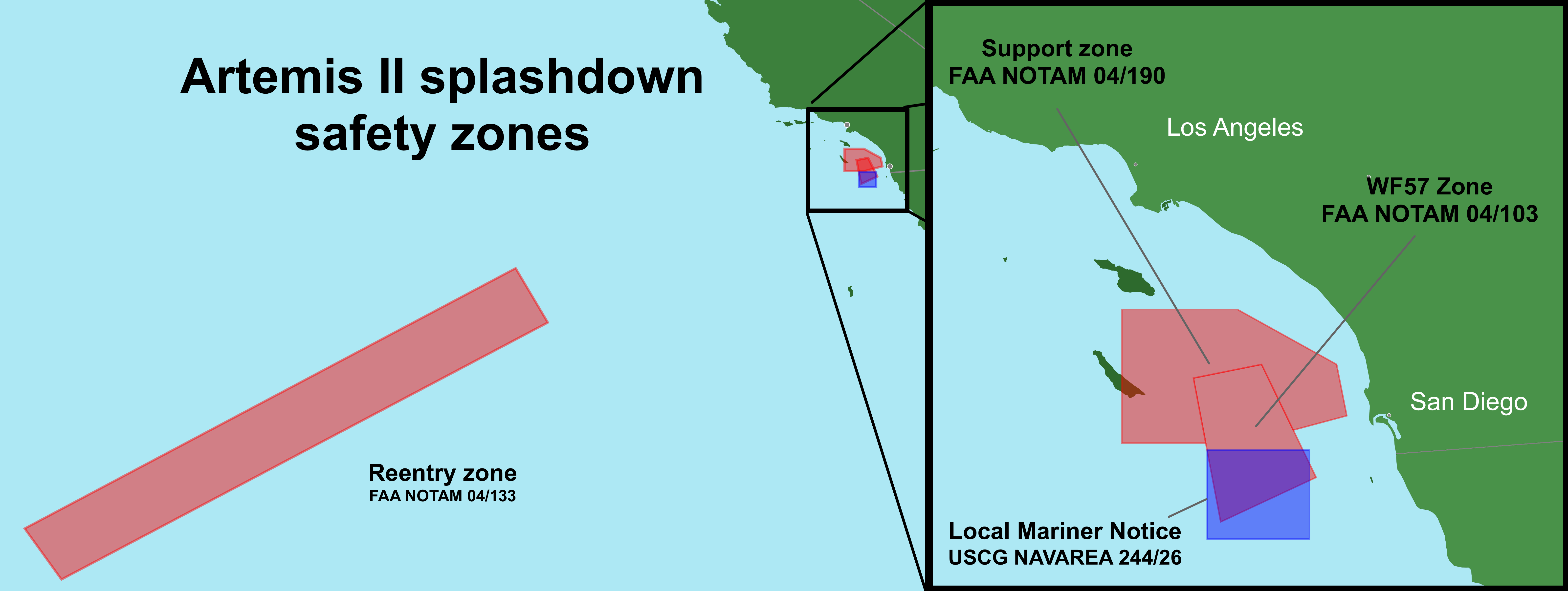
Flights arriving and departing San Diego International Airport were temporarily routed to the northwest during the hours surrounding splashdown, avoiding FAA-issued NOTAM (Notice to Air Missions) no-fly zones.
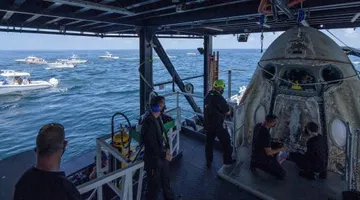
Additional Seahawk helicopters maintained a security perimeter over the exclusion zone while the U.S. Coast Guard helped ensure there would be no repeat of the Demo-2 splashdown of the first crewed Dragon capsule returning from the International Space Station.
Recovery efforts were hindered by dozens of private boats entering the area, several approaching the capsule shortly after splashdown. This raised serious concerns about potential exposure to highly toxic hypergolic fuels before trained crews could secure the spacecraft.
The U.S. Space Force’s 45th Weather Squadron, best known for preparing launch weather forecasts at Cape Canaveral Space Force Station, which drives go/no-go launch decisions, also supported operations.
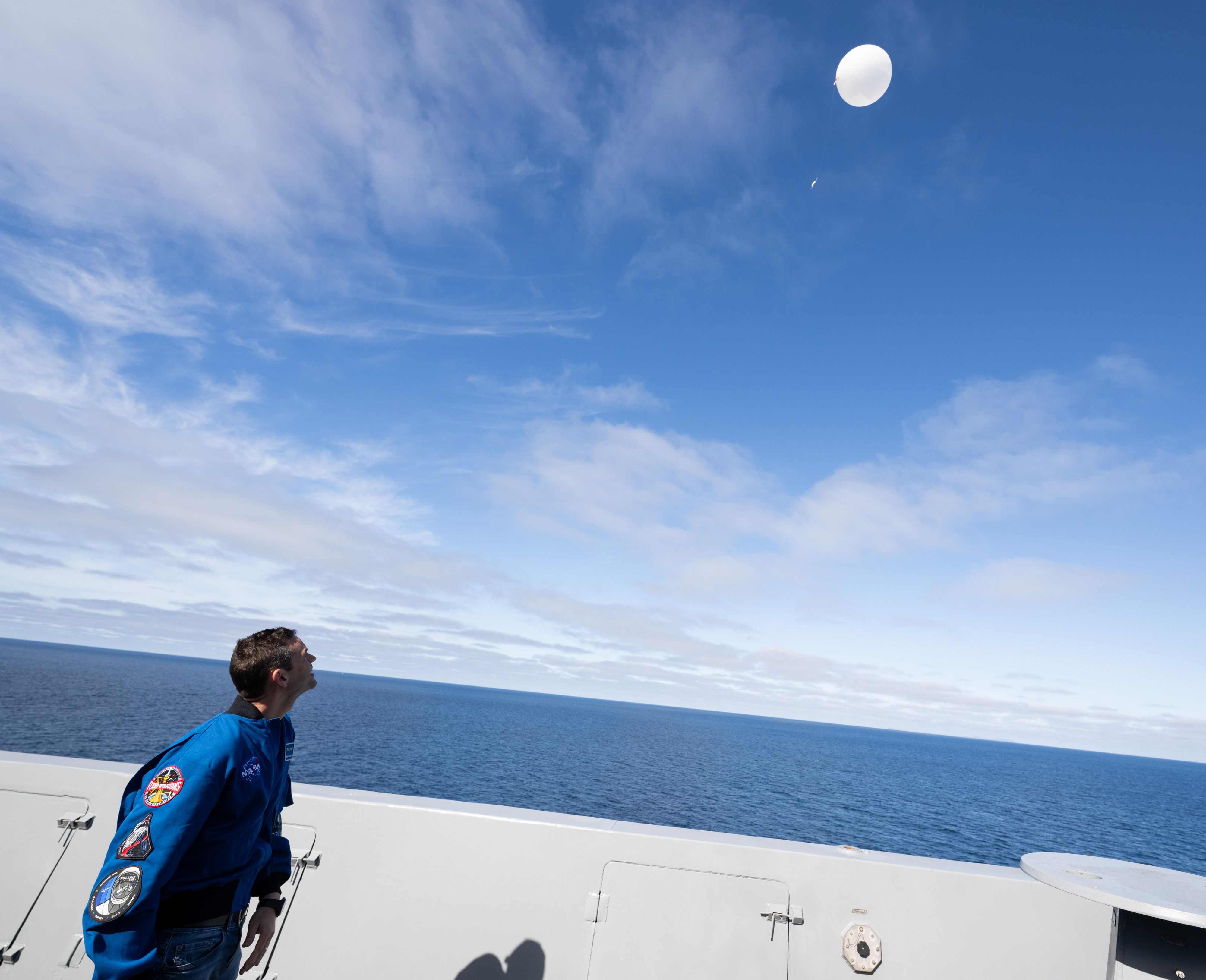
NASA Administrator Jared Isaacman even assisted directly, launching a weather balloon from the USS John P. Murtha as NASA and U.S. military teams finalized preparations.
Following the recovery of astronauts, the Orion capsule was winched aboard the well deck of the Murtha.