This article was written for our sponsor, BASF.
Approximately one out of every three bites of food you eat is made possible by the work of pollinators. From bees to birds to bats, pollinators aid in the growth of hundreds of thousands of plants and crops every year, cementing their role as one of the most valuable parts of the ecosystem.
Other WRAL Top Stories
In North Carolina, where farms occupy millions of acres of land across the state, pollinators help put food on the table and keep the local economy thriving in the process.
At BASF Agricultural Solutions, a company dedicated to crop protection and bioscience research, powering local pollinators is a top priority. BASF partnered with the Durham Bulls to plant a pollinator garden in the Durham Bulls Athletic Park, hoping to not only provide a pit stop for pollinators, but also educate the public about their importance.
"The Durham Bulls were looking at expanding their outreach to the community and how they can help pollinators specifically. They already have a Victory Garden on the south side of the building and they were wanting to connect that to something we could do to help pollinators," said Stephanie Darnell, a technical product stewardship manager for BASF with responsibilities in seed treatment and pollinator protection. "That pollinator garden will provide resources to pollinators that would visit the Victory Garden, and also for the pollinators in downtown Durham.
"It will be a kind of oasis for them to find resources in that area and just goes to show that whether you're in an agricultural setting or an urban setting, there are always ways that you can help."
The new pollinator garden will be filled with seasonal blooms, including milkweed, coneflowers, sweet pepper bush, butterfly bush, black-eyed Susans, and more. In planting such a wide array of flowers and greenery, Darnell hopes to provide pollinators with nectar and pollen stretching from spring through fall.
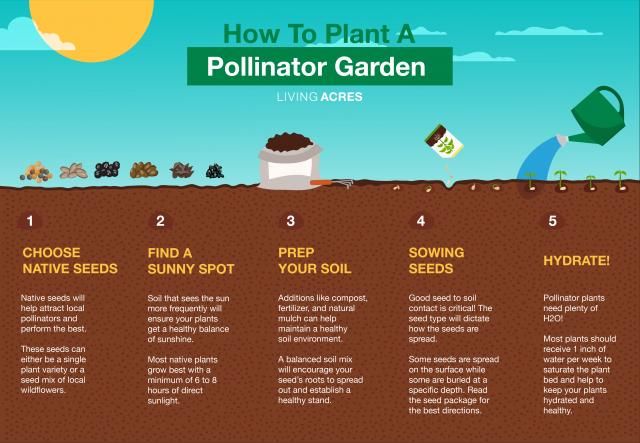
To make the garden as effective as possible, Darnell ensured she was including plants that would attract a wide variety of pollinators and also show visitors that pollinator gardens can easily be installed in their own backyards.
"For this garden, the plants are all ones that are readily available to the general public, so we wanted to include options that would show how you can get a bang for your buck — and now we’ll have these great pollinator plants that are not specific to one pollinator," said Darnell. "You're going to draw in honey bees and other native bees, but you're also going to get a number of butterflies as well as birds that visit the black-eyed Susans and coneflowers."
While the pollinator garden will be a boon for the ecosystem around Durham, the team at BASF recognizes the importance of spreading these resources across the entire state. In addition to their partnership with the Bulls, they're also partnering with the Eastern Band of Cherokee Indians to create a massive pollinator garden across the tribe's property.
David Anderson, the environmental horticultural specialist for the Eastern Band of Cherokee Indians, connected with Darnell through the North Carolina Pollinator Conservation Alliance, a group that both were individual members of. After Darnell mentioned that BASF had a surplus of milkweed plants to give away this year, Anderson jumped at the opportunity to replace some of the invasive species on the land's buffer areas with pollinator plants.
"I found out that BASF provided Milkweed to support pollinator habitats, so I reached out to them and said, 'This is what we do in our facility, this is the project we're working on, and our capacity is kind of limited right now,'" said Anderson. "I wanted to pay them for it, but BASF really liked our idea of creating this monarch habitat, so they offered to grow the milkweed for us and make a donation."
Since protecting the tribal leaders is a priority during COVID, the process of acquiring the milkweed with minimal exposure was a challenge. Luckily for Anderson, Darnell agreed to deliver the plants herself, getting a tour of the land and overall project scope in the process.
While BASF provided the plants, the Cherokee tribe will be taking the lead on the rest of the planting and maintenance. During the first round of installation, the Horticulture Office along with Fisheries and Wildlife, will distribute 200 plants across the property.
"We're trying to increase the presence of wild pollinators and increase education and awareness, as well. With the monarchs specifically, we're on a great route as they migrate to the south, and we can do our part to protect them and get their population numbers back up," said Anderson. "It helps us too — as stewards of the land, pollinators do a few different things. They help us maintain plant diversity, which is really important to Cherokee people, as well as help with different plant breeding and evolution, food chain maintenance, agricultural yields, and genetic resilience."
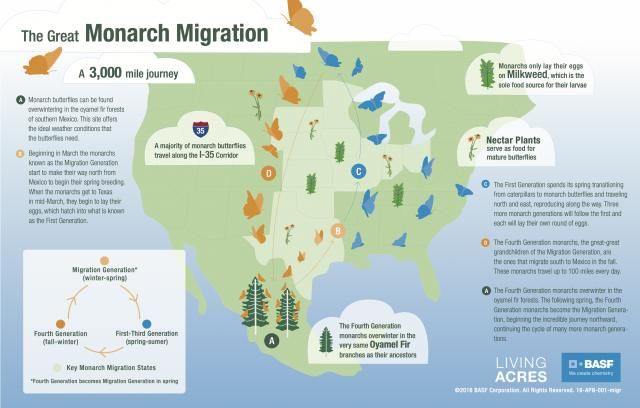
In addition to the benefits to the environment, milkweed has also played a historic role in the Cherokee community, being used for everything from material for bowstrings to ingredients in teas and tinctures.
While the milkweed project aided by BASF is the primary focus of the Horticulture Office right now, it's also just one moving piece in a more holistic effort to increase planting throughout the land. In doing so, Anderson hopes to make the property a massive monarch waystation along the butterflies' migration route.
In the case of both the Durham Bulls pollinator garden and the Cherokee milkweed planting, the local and regional ecosystem will undoubtedly reap the many benefits — but Anderson and Darnell hope those benefits will be reflected back to the community at-large, as well.
"With this project, we’ve been thinking about multigenerational households where grandparents or great grandparents are raising grandkids. They may be limited as far as their access and mobility, so it's difficult to get into some of these areas to teach about plants. But we can provide the opportunity to put some of these plants out in the open, where they don't have to go off the beaten trail — they don't have to climb up into the mountains or down to the stream," said Anderson. "Anybody can go through, look at a sign we'll have posted, and learn more about the plants and pollinators. We think it's going to benefit everybody — not just the ecosystem, but also the people."
Around the Durham Bulls pollinator garden, BASF will also be posting several signs with detailed information on the plants used, how pollinators benefit the environment, and how it's connected to the Victory Garden. They'll also be setting up a website for the pollinator garden with more information and metrics that can help determine what aspects of the garden are resonating with the public.
While some plants will be installed in the garden this fall, the coming spring will allow for more seasonal growth, and along with that growth Darnell hopes to see a notable increase in pollinator activity that spreads throughout the community.
"BASF is committed to making sure our pollinators are healthy, and it serves as a connection with our agriculture and the need for pollinators for our food supply in the future," said Darnell. "We want to make sure that we have healthy environments for pollinators, providing not only food but also a habitat, in order to keep a healthy environment that will benefit the entire community."
This article was written for our sponsor, BASF.