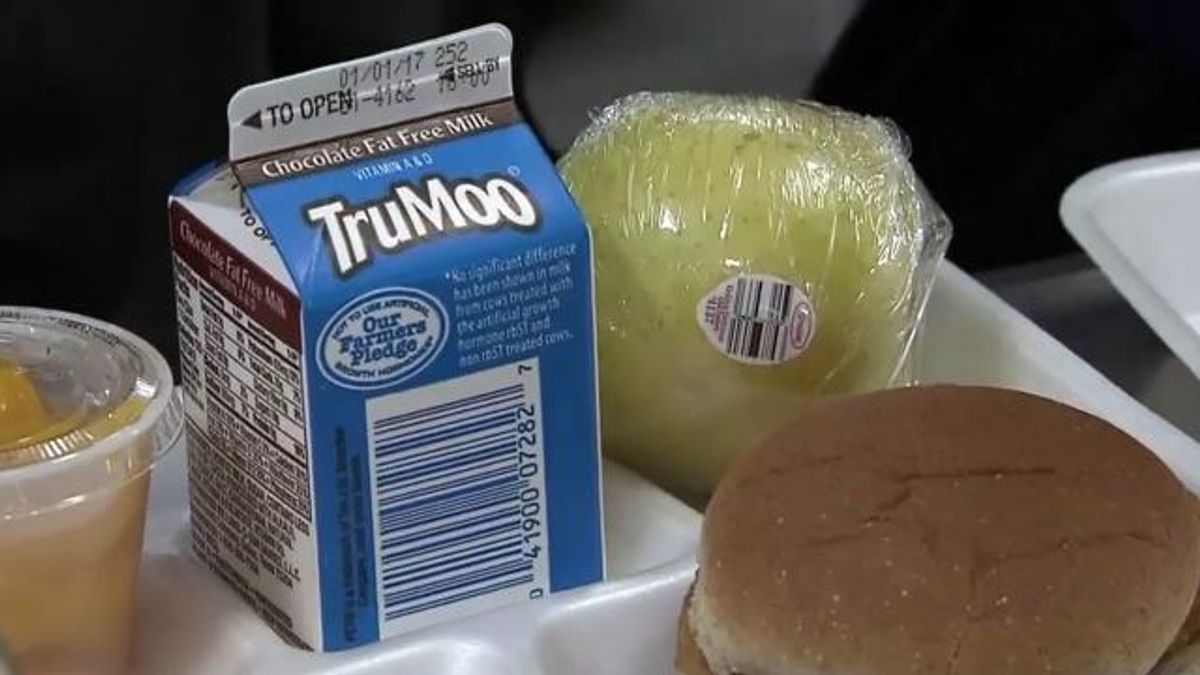
The price of a Wake County school meal is going up next year, following school board approval Tuesday.
The Wake County Board of Education approved a proposal to raise the price of school breakfasts and lunches by $0.25 per meal.
Other WRAL Top Stories
It's the fourth straight year the school board has raised the price of a meal.
"None of us want to be doing this," said Board Member Lynn Edmonds, who voted against raising meal prices last year but voted for the measure this year.
Some board members lamented that the state and federal government don't cover more of the cost of feeding students, and others noted that they were optimistic about the district's new plans to improve the meal program and advertise it to families that don't participate in it.
The school system's nutrition department has said the increased costs of labor, goods and shipping has put a financial strain on the department. Nutrition departments, by policy, are expected to raise all of their own revenue, absent a funding stream from their school boards.
State and federal funds can't cover deficits incurred by a nutrition department, said David Neter, district chief business officer. Only county funds can. That would cause the school board to need to find more budget cuts to cover the loss, Neter said.
The Wake County Public School System expects to need as much as $4.6 million more next year, about $3 million of which would cover higher pay and benefits. The district expects to need $350,000 more in delivery fees and an unclear amount more to cover higher food prices.
A $0.25 increase in meal prices would raise more than $500,000. It's unclear how else the Wake nutrition department plans to cover costs.
The department's savings have depleted to about one month's operating costs.
Jeannette Hill, assistant principal at Apex High School, urged the board during public comment Tuesday not to increase meal prices. She said increases in meal prices coincide with people deciding to stop buying school meals, which could negate much of the potential revenue increase.
She understands the shortfalls the district continues to face and the need to make changes.
"I do not think that raising the price of school meals is the right way to go about it," Hill said.
Hill suggested the school board consider new revenue streams -- such as selling more food at other times -- getting the district's vegetable gardens certified to provide food for the cafeterias to use, and working with area businesses to lower food costs. Adding a second-chance breakfast program raised school breakfast participation by more than 100% at Hill's school, resulting in more revenue, she said.
The $0.25 cost increase would add up to $44.25 more per student for lunch over a 177-day school year. It would be $177 more per student for lunch only from four years ago.
For elementary school students, the cost of breakfast would rise from $1.75 to $2 and the cost of lunch would rise from $3.50 to $3.75.
For middle and high school students, the cost of breakfast would rise from $2 to $2.25 and the cost of lunch would rise from $3.75 to $4.
The school board will consider the request first during a work session Tuesday afternoon, and is set for a vote Tuesday night.
Rising food and labor costs
In the past five years, Wake's minimum hourly wage for child nutrition service workers jumped from $11.58 per hour to $17.75, a 53.3% increase, partly driven by state lawmakers raising minimum pay for all state-funded school workers to $15 per hour and partly driven by a school board that wanted to outpace the competition in a county with a fast-growing cost of living. That's raised total pay and benefits spending from $25.7 million during the 2019-20 school year to $41 million during the 2024-25 school year. The department expects to need $3 million more next year.
Meanwhile, the food costs per meal range from $1.45 to $1.89. Those costs have risen, too. A chicken sandwich rose from $0.70 during the 2019-20 school year to $1.12 this year, a 60% increase. A slice of pepperoni pizza is $0.46, up from $0.34, a 35.3% increase. Chicken bites are now $0.88, up from $0.53, a 66% increase. The rising costs of some popular main dishes is costing the district nearly half a million more dollars now than five years ago.
Some side dishes, such as broccoli, have slightly lowered in price or remained relatively steady.
The district is also having to pay more for deliveries. Fees per case of food have more than doubled in the past five years, and the district expects them to go up again next year, costing $350,000 more.
Serving tens of thousands of children
The Wake County Public School System serves about 51,000 lunches and about 20,000 breakfasts every day. Just more than a third of students -- nearly 60,000 -- qualify for a free or reduced-price meal. For the past few years, the North Carolina General Assembly has covered the remaining cost of the reduced-price meal, allowing those families to eat for free. The $0.25 increase in costs for every meal would raise revenue for the district only from the students who pay for a meal.
Since raising meal prices, the school district has also opened up a districtwide "Angel Fund" of donations for students who have hit their maximum overdraft amount on their accounts, providing about 32,000 meals. Many school already had their own angel funds, but some did not.