Even as some Confederate monuments in cities around NC are taken down, there are still plenty of reminders of the Confederacy in our state. One of those reminders is Fort Bragg.
Fort Bragg is one of 10 military bases around the South named after Confederate leaders. Gen. Braxton Bragg, who served in the Confederate army and owned a plantation where people were enslaved, is the namesake of Fayetteville's own Fort Bragg.
Other WRAL Top Stories
While the discussion of Fort Bragg's namesake has come up in the past, the protests and momentum spurred from the death of George Floyd has brought the discussion to the forefront again--and now, Fort Bragg officials said, they are willing to talk about the possibility of changing the base's name.
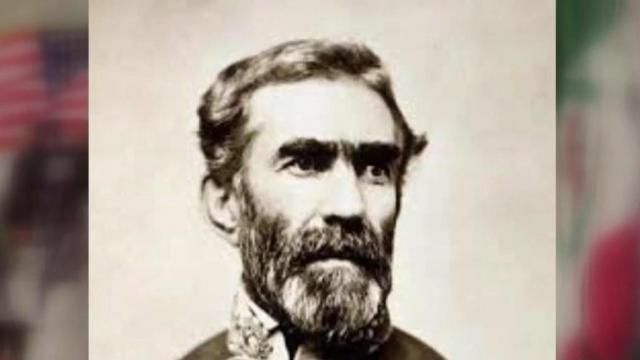
Gen. Braxton Bragg: "The most hated man of the Confederacy"
In 1918 when Camp Bragg was established, it was named for Gen. Bragg in honor of his actions during the Mexican-American war. Although he served in the Confederate army, many historians agree that his poor tactics contributed to many losses during the Civil War.
Gen. Bragg is credited by historians with having won one of the most significant Confederate victories at the Battle of Chickamauga--but despite his advantage, he"declined to capitalize on his victory and instead allowed the Union Army to retreat to Chattanooga," according to a historical summary of his military service.
Earl Hess, the author of Braxton Bragg: Most Hated Man of the Confederacy, explores the history of Gen. Bragg as "having a reputation for incompetence, for wantonly shooting his own soldiers and for losing battles."
"Between the Mexican War and the Civil War, Braxton Bragg lived the life of a genteel planter on a sugar cane plantation in Louisiana where slaves put in back-breaking labor in unspeakable conditions to bring molasses to market and earn Bragg a profit. He met any Northern criticism of slavery with harsh criticism," wrote Michael Newcity in an article on Duke Today.
Given Gen. Bragg's historic reputation, it may seem strange they would honor him by naming a military base after him. However, it's worth noting that Gen. Bragg was a born-and-raised North Carolinian, and many of these bases preferred to honor local soldiers who served their state.
Another point of interest: Before serving in the Confederate army, he served the United States army, winning decisive victories for the US during the Mexican-American war. His contributions to the United States during wartime are the reason Fort Bragg chose him as their namesake.
He graduated from West Point, and his expertise in artillery during Mexican War proved decisive in most engagements.
The Fayetteville Area Transportation and Local History Museum on Franklin Street provides some of the history of Fort Bragg's namesake.
Fort Bragg veterans responds to possible name change
WRAL Fayetteville reporter Gilbert Baez served at Fort Bragg as a Ranger Qualified Combat Communications Officer in the 35th Signal Brigade.
As leaders discuss the potential name change, the discussion should include a broader perspective of why the name was selected.
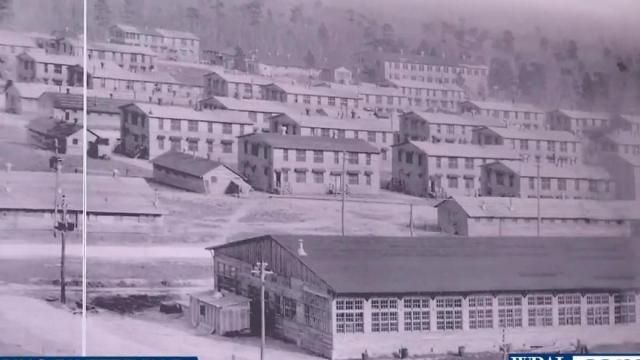
Before becoming the home of the Airborne, Fort Bragg was home of the largest artillery installations in the United States.
Former Fort Bragg Commander Retired General Dan McNeill offered some perspective, saying, "The one thing I came to realize about the name Fort Bragg – it had nothing to do with the person for whom it's said to be named. It had a lot to do with how Americans understood what you did in your life, and what it meant to the security of America."
McNeill said he's sensitive to and understands the position of those who seek to change the name. He said even if the name is changed, it will never change the brave history of all the men and women who served in the 18th Airborne Corps, the 82nd Airborne Division and Special Operations Command who continue to defend our country.
Both the Secretary of Defense and the Secretary of the Army are open to a bi-partisan discussion about a possible name change. But a name change would take an act of Congress, and the White House would have to sign off on it.