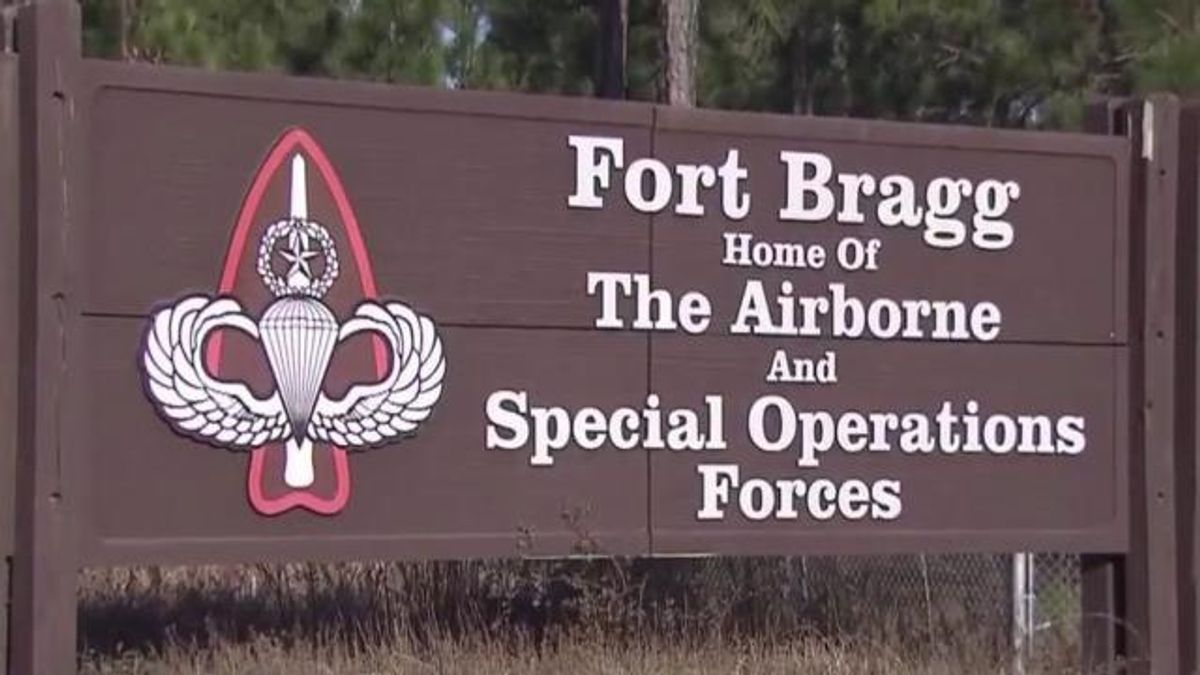
Did you know that Fort Bragg is the world’s largest military base?
If you're interested in learning about American military history, then a trip to Fort Bragg is a must. This impressive, expansive military base is home to over 52,280 active duty soldiers and thousands more students and military families.
Other WRAL Top Stories
For history buffs and culture lovers alike, there's no better place to learn about America's military history than at Fort Bragg. While you can’t get on base without a valid reason, it’s sure a stunning sight to see if you’re passing through the area on a road trip.
Here’s a breakdown of the history of this iconic North Carolina military base and a few suggestions of what to do when visiting Fort Bragg on your next trip.
Where is Fort Bragg located?
Fort Bragg is located just over 11 miles west of Fayetteville, N.C. If you’re driving from Fayetteville, you can reach Fort Bragg in about 15 to 20 minutes depending on traffic and weather conditions.
Note that while you can drive past Fort Bragg, unless you’re a soldier or have a valid reason to be visiting the base (like visiting a family member, for example), you won’t be able to enter Fort Bragg.
Basically, once you get to the All-American Access Control Point, you’ll be restricted from entry.
How did Fort Bragg get its name?
Fort Bragg in North Carolina was named after US Army artillery commander Braxton Bragg. Bragg was a West Point graduate who fought on the Confederate side during the American Civil War.
Recently, there has been a call to change the name of Fort Bragg to Fort Liberty. The name change is still pending approval in Congress and is due to concerns arising from the fact that there is suspicion Bragg could have been a Confederate traitor.
The history of Camp Bragg, North Carolina
The history of Camp Bragg in North Carolina dates all the way back to 1918. That year, General William J. Snow, the Chief of Field Artillery, was looking for a place suitable for year-round training.
They called it Camp Bragg but it wasn’t the expansive Fort Bragg we know and love today. Back then, it was simply dedicated to artillery training and similar pursuits. There, soldiers were able to visit for year-round artillery training due to a well-connected rail system and good weather.
Shortly after, in the early 1920s, the base was converted into a training center for the National Guards. Finally, in September of 1922, the base received its official name of Fort Bragg and was deemed a permanent US military installation.
The military base got quite a bit of use throughout World War II and was one of the most important facilities for military training and barracks during wartime.
What happened to Fort Bragg after World War II? It was turned into the permanent home of the XVIII Airborne Corps. Yep, that’s why it's still called the “Home of the Airborne” today.
Today, numerous US Army installations call Fort Bragg home, including the US Army Special Operations Command, the US Army Forces Command, and the US Army Reserve Command.
When’s the best time to visit Fort Bragg?
While you might not be able to enter Fort Bragg itself, visiting the surrounding area provides for a delightful trip depending on the time of year you’re planning your visit.
For the most part, the best time to visit Fort Bragg, NC is in the spring or fall. The weather is mild and there are fewer crowds in the surrounding cities such as Fayetteville.
However, if you're looking for a more budget-friendly option, visit in the winter. The weather is still pleasant and you'll find great deals on accommodations.
Visit Fort Bragg: 3 things to do
One of the best ways to explore the history of Fort Bragg is to visit the surrounding area. Due to the military presence, there are great military museums you can visit, and even a beautiful river trail to explore.
82nd Airborne Division War Memorial Museum
Located on the grounds of Fort Bragg, this museum is dedicated to preserving the history of the renowned division.
The museum houses a collection of artifacts and memorabilia from the division's past, as well as interactive exhibits that allow visitors to experience what life was like for soldiers during wartime.
There, you'll also find a wide variety of educational programs and events, making it an ideal destination for families and groups.
JFK Special Warfare Museum
The JFK Special Warfare Museum in Fort Bragg, NC is a must-see for any history buff or military enthusiast.
The museum chronicles the history of Special Forces from their inception during World War II to the present day, with exhibits on famous missions, changes in technology and insignia, and more.
It's also home to a collection of weapons used by Special Forces throughout the years, as well as an interactive exhibit on parachute packing.
Cape Fear River Trail & Botanical Gardens
The Cape Fear River Trail offers stunning views of the river and the surrounding area. Additionally, it's a great place to get some exercise, as it is well-maintained and offers a variety of different routes to choose from.
While you're in the area, be sure to check out the 80-acre botanical gardens. With educational programs for kids and adults alike, you'll find yourself immersed in a natural world full of wonder and beauty that you simply can't find outside of North Carolina.
Learn More About Fort Bragg, NC
While Fort Bragg, NC is the largest military base in the world, there's quite a bit of history backing the surrounding area as well.
From military museums to natural wonders, visiting Fort Bragg makes for a great stop on any trip through North Carolina.
For more heartwarming stories about Fort Bragg, NC, view this touching video of Fort Bragg soldiers returning from deployment.