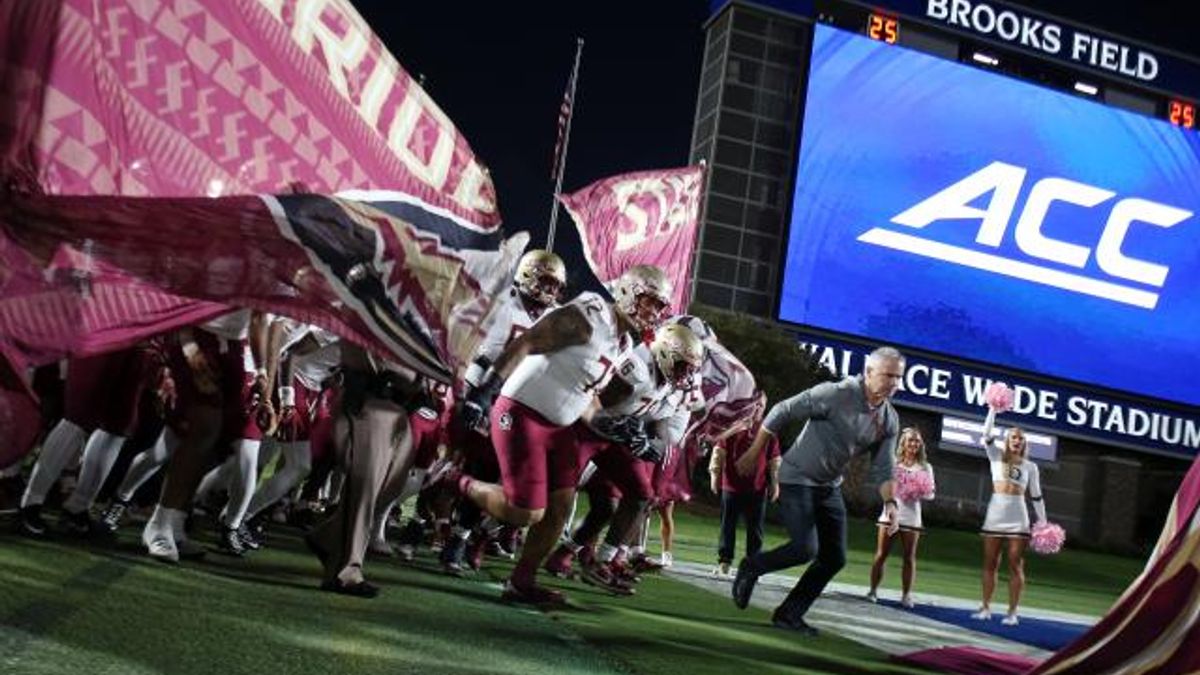
Schools that want to leave the Atlantic Coast Conference now know exactly what it will cost to leave the league, a figure that has been at the heart of lawsuits between the ACC and two of its top football programs.
As part of an agreement to settle lawsuits between the ACC, Florida State and Clemson, the league and its schools agreed to a specific exit fee structure.
Other WRAL Top Stories
The deal could be seen as a big victory for Florida State and Clemson, which stand to benefit the most from the league's revised revenue distribution model and, along with North Carolina and, perhaps, Miami, are seen as the most likely to have future options in other top conferences.
"This is an excellent outcome for Clemson," Clemson President Jim Clements said. "We achieved our goals."
But it also gives the ACC much-needed stability, ending a period of costly in-fighting with two of its biggest brands. ESPN recently exercised its option to televise the league's games through 2036.
The college athletics landscape has changed dramatically in recent years and more seismic shifts are expected. Revenue sharing with players could begin as soon as July. The very structure of college athletics, specific sports and even conferences could look very different in five years.
Amid that uncertainty, the settlement gives ACC members a specific dollar amount if they choose to depart.
If an ACC school were to leave in fiscal year 2026, the exit fee would be $165 million. That figure drops by $18 million each year until 2030-31, when it moves to $75 million and remains there. Schools retain their future media rights upon payment of the exit fee, according to a presentation provided to the Clemson Board of Trustees.
When it filed its lawsuit in December 2023, Florida State said it could cost more than $700 million to exit the league. The ACC maintained that its grant of rights agreement, which runs through 2036, meant it would retain the media rights of any departing school. Clemson filed its lawsuit in March 2024.
The Charlotte-based ACC countersued each institution in North Carolina.
Trustees at Clemson and Florida State gave their presidents approval to complete the agreement with the ACC and to dismiss the lawsuits. ESPN reported that the ACC's Board of Directors voted to approve the settlement earlier Tuesday.
"We are way better off than we were 14 months ago when we were being told we had no options," said Florida State Board of Trustees chairman Peter Collins. "And now we have options."
The 2030 date is significant. The Big Ten's media rights deals expire after the 2029-30 academic year. The Big 12's deals end after the 2030-31 season. The men's basketball NCAA Tournament deal runs through 2032.
As part of the agreement, the ACC will change the way it distributes television revenue. Instead of distributing its revenue equally, the league will put 60% of its television revenue into a "viewership pool" that will be allocated based on a five-year rolling average based on television ratings. The remaining 40% will be distributed equally among the conference's legacy members.
In 2022-23, the ACC earned more than $481 million in television revenue, though that number is surely higher now. ESPN owns all of the ACC's television rights.
The league already adopted a success initiative that rewards programs in football, men's basketball and women's basketball that perform in the postseason.
The moves could set a trend among the most powerful conferences to distribute revenue differently with top brands receiving more.
"The league has competed at the highest level for more than 70 years and this new structure demonstrates the ACC embracing innovation and further incentivizing our membership based on competition and viewership results," ACC Commissioner Jim Phillips said in a statement.
The statement did not mention the exit fees.
The 18-team ACC voted to add western members Cal, Stanford and SMU in September 2023 over the objections of Clemson, Florida State and North Carolina.
Members of the UNC Board of Trustees have pushed for the school to join the SEC or the Big Ten and expressed displeasure with Phillips. The school spent more than $600,000 on lawyers to examine issues related to conference realignment.