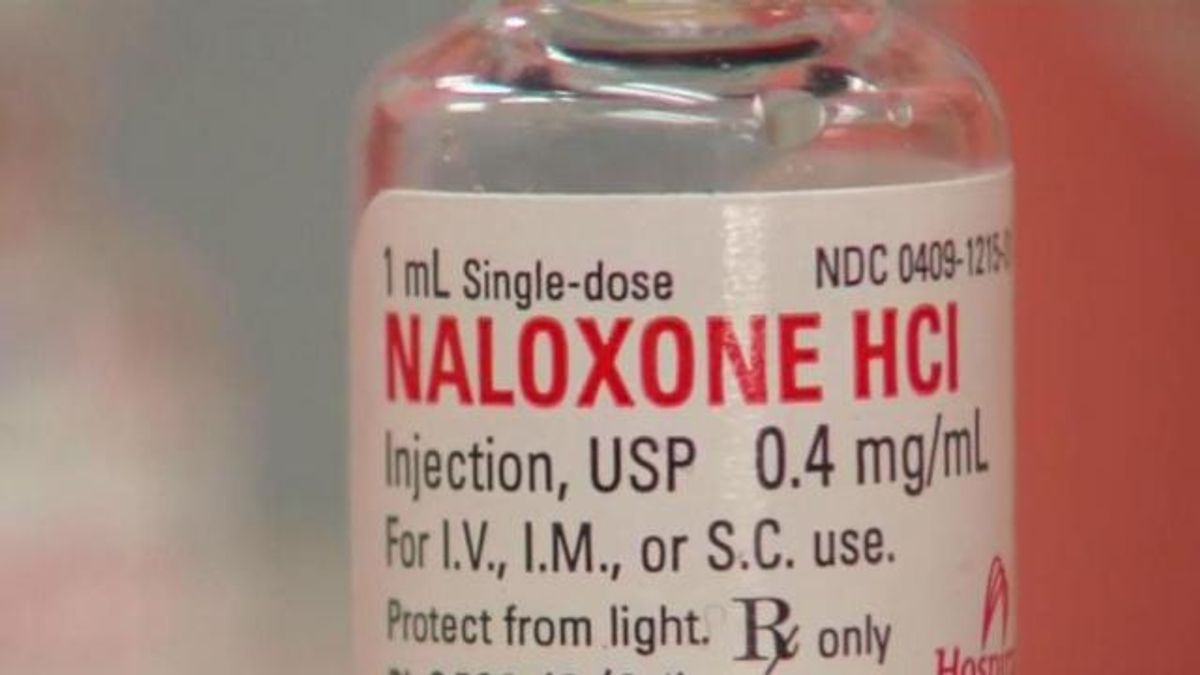
The Wake County school board approved Tuesday a new policy outlining how schools can deploy life-saving opioid overdose-reversal medicine. The school board will now seek a way to fund storing naloxone in its schools.
The new policy allows principals to assign specific staff to receive training on the proper administration of naloxone. Only trained staff would be able to administer the medicine, and they would also need permission from the state health director to be authorized to do so.
Other WRAL Top Stories
On Tuesday, board members suggested students and staff be trained on recognizing the symptoms of an overdose, which they said would be a critical part of recognizing when naloxone is needed — and thus, when a life can be saved.
Board Member Wing Ng compared knowing the signs of an overdose to knowing the signs of a stroke.
“It’s very impotent that our teens know the signs and symptoms” of an overdose and other mental health struggles like substance abuse, Board Member Toshiba Rice said.
Signs of an opioid overdose include a body going limp, fingernails turning purple or blue and slowed or stopped breath or heartbeat, among other things.
Barbara Walsh, founder and executive director of the Fentanyl Victims Network of North Carolina, told the board that schools should ensure they’re prepared for intentional or accidental ingestion of an opioid. Her daughter, Sophia, a Wake school system graduate, died in 2021 after Walsh said she accidentally drank from a water bottle that had been laced with fentanyl. Since then, Walsh has been advocating for people — including schools — to carry naloxone, which she says would have saved her daughter.
“All 200 Wake County Schools deserve to have naloxone,” Walsh told the school board Tuesday. “It is no different than an EpiPen or AED system or a fire extinguisher.”
The board has been discussing adopting a naloxone policy and equipping schools with the medicine since February, after one of Walsh’s public comments to the board on the issue.
Last year, naloxone was administered 21 times for a suspected overdose at a North Carolina school, usually by a school resource officer. None were in the Wake County Public School System.
The new policy doesn’t promise the medicine will be available in schools, and the district doesn’t currently have naloxone in its schools. System officials estimate supplying two doses of naloxone in every school would cost about $35,000. The school board had considered including the request in its proposed budget to county commissioners but backed off after deciding they could find other ways to secure the funding and medicine, such as through opioid lawsuit settlement funds at the county and state levels.