When state auditors asked whether troopers with long commutes violated the State Highway Patrol's residency policy, most of the officers targeted initially denied the long round trips, according to an audit report released Monday.
The troopers told auditors they kept secondary homes closer to their posts, but the audit turned up gas receipts near far-flung homes along one-way commutes that, in five cases, topped 100 miles.
Other WRAL Top Stories
One captain lived in Morganton, 187 miles from his job in Wake County, and gassed up there 44 times in 2016, the audit found. Eight unnamed troopers are cited – two captains, three lieutenants, a major and two first sergeants – and the report says the majority of them initially denied their long commutes but "ultimately acknowledged commuting to their primary residences."
Which suggests a question: Did these troopers violate the patrol's truthfulness policy? In the past, that has been a fireable offense.
Highway Patrol spokesman Sgt. Michael Baker would say only that the agency "will make a determination as to whether there have been violations of the Patrol’s truthfulness policy and will address violations, if any, accordingly."
Baker declined to lay out a timetable for the determination, but audit results were delivered to patrol leadership about three weeks ago, in a letter dated Aug. 22.
The audit doesn't address the truthfulness policy, instead taking administrators to task for not enforcing a commuting policy meant to keep troopers from driving their patrol cars home more than 20 miles from the county where their duty station is located. The State Auditor's Office doesn't have an opinion as to whether the truthfulness policy was violated, spokesman and general counsel Tim Hoegemeyer said in an email.
The agency's truthfulness policy is fairly straightforward: "Members shall be truthful and complete in all written and oral communications, reports, and testimony. No member shall willfully report any inaccurate, false, improper, or misleading information."
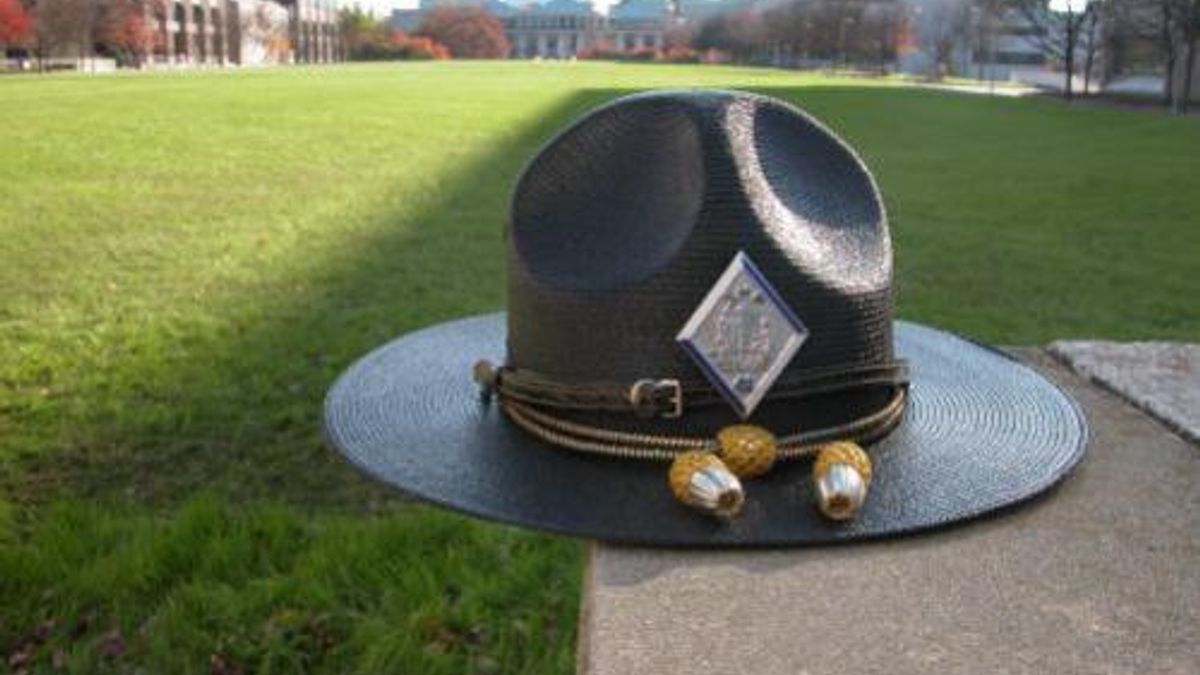
In 2009, the patrol fired a trooper for lying about how he lost his hat, a decision that sparked lawsuit the state fought all the way to the state Supreme Court.
The high court determined in December 2015 that, despite the policy's "potentially expansive scope," it didn't require the trooper to be fired and that factors such as "the severity of the violation, the subject matter involved, the resulting harm" and the trooper's work history should be considered.
The trooper's supervisor had testified during the long-running case that firing was the only feasible punishment, an opinion the court deemed "mistaken."
"While dismissal may be a reasonable course of action for dishonest conduct, the better practice, in keeping with the mandates of both Chapter 126 and our precedents, would be to allow for a range of disciplinary actions in response to an individual act of untruthfulness," the court said in its opinion.
Top leadership at the Highway Patrol has turned over since last year, which was the period reviewed by the State Auditor's Office. New Public Safety Secretary Erik Hooks said in his formal audit response that both he and new patrol commander, Col. Glenn McNeill, agree with the audit's conclusions, that each trooper in the report is now in compliance and that most of the suggestions auditors made have been implemented.