This article was written for our sponsor, North Carolina League of Municipalities
The City of Lowell sits along I-85 in Gaston County, just outside of Charlotte. The city of approximately 3,500 residents has seen impressive growth in recent years, and when they found out they would receive over $1.18 million in ARP funds, they made a point of finding creative ways to invest in improving their community spaces.
ARP funds were distributed to municipalities from the federal government as a way to promote revitalization following the effects of the COVID-19 pandemic.
“We are very excited about the diverse array of projects that we were able to pay for with the ARPA funds,” Cristy Cummings, Lowell Communications Director, said. “The best part is that these projects were not funded by local tax dollars, but rather through federal ARPA funds. Not only did this take the burden off of our taxpayers, but it truly expanded the scope of what we can do.”
Generally, Lowell focused on investing in two main areas: updates to facilities and processes at City Hall, and new initiatives in their Parks & Recreation department.
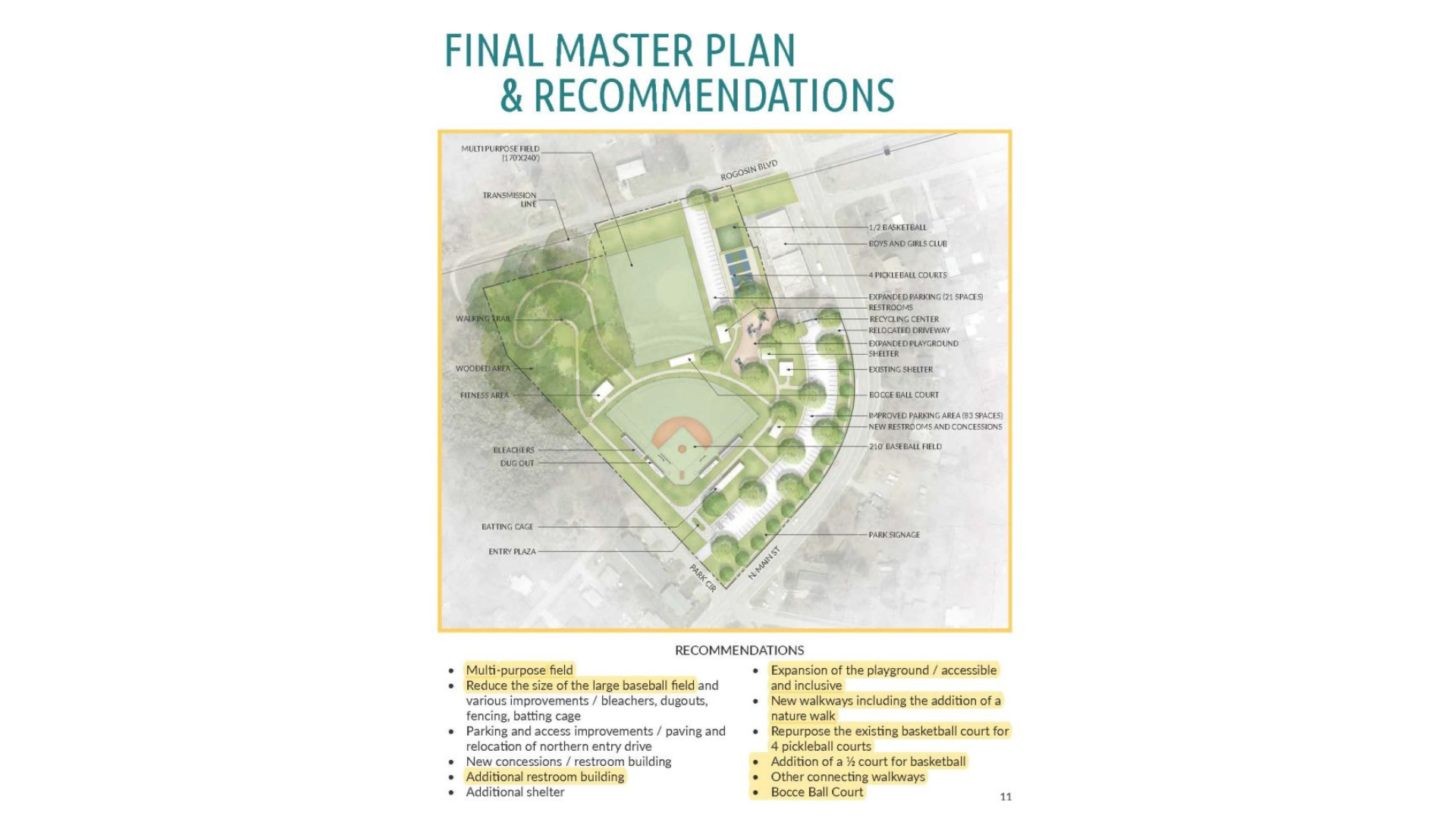
To start, Lowell used ARP funds to invest in a master plan for their downtown district and for city parks in order to ensure it is moving in a direction that fits residents’ needs and desires. The master plan was also instrumental in securing an additional $1 million grant from the state Parks and Recreation Trust Fund and the Land & Water Conservation Fund to begin renovations on Harold Rankin Park in the near future. This plan includes additions and improvements to the sports fields and courts, expanding the playground, and adding new walkways and restrooms.
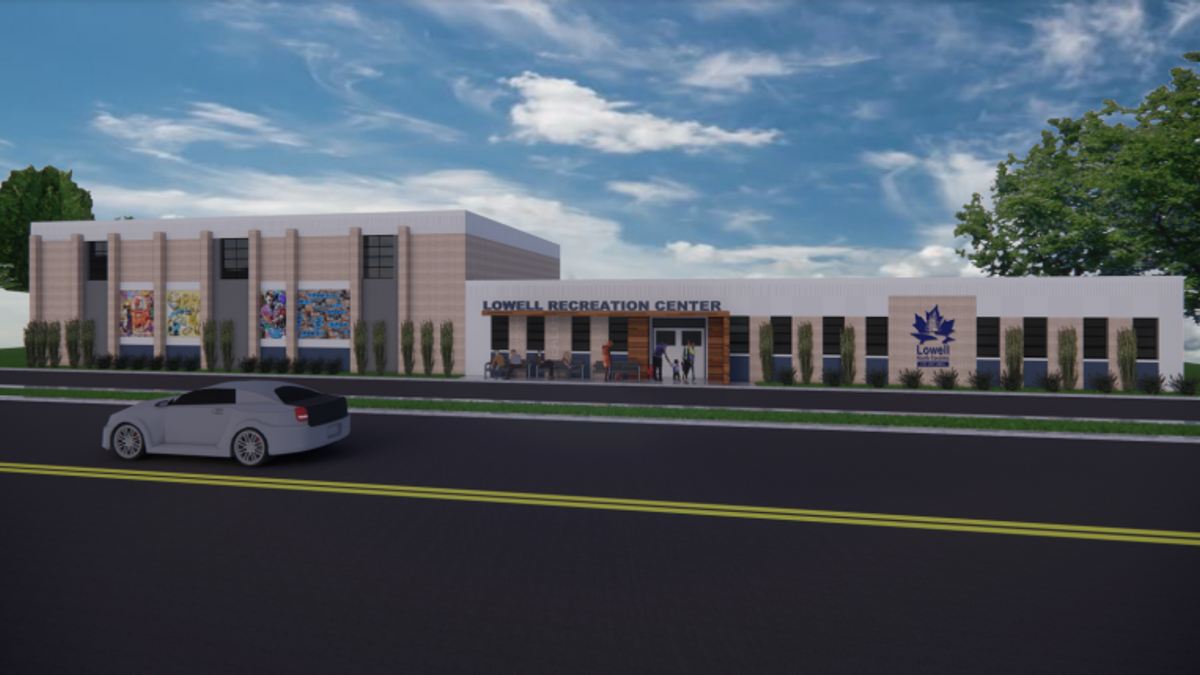
Next to this park, ARP dollars were used to purchase the city’s first recreational facility at the site of the former Salvation Army Boys & Girls Club property. This project will include the renovation of the property to house the city’s Parks & Recreation Department and offer new recreational programs for city residents.
Lowell took a small portion of the funds to create a downtown park area, now known as McCord Family Park. This area had formerly been simply a grass lot, but with dollars from ARP, the city transformed the area into a green space park, complete with benches and a covered picnic table area which can double as a concert stage. It is also where the city now holds its annual Tree Lighting Ceremony.
In the final parks and recreation project, the city of Lowell will become a part of the Carolina Thread Trail, which connects nearly 500 miles of trails, greenways, and blueways across 15 counties in North and South Carolina. The larger trail will connect to city parks and run through North Main Street.
The city is also investing in a new property that will ultimately be the location of a new City Hall and Police Department. And additional measures taken by the city to become more efficient include a new software used to create a better utility bill format for residents. Finally, Lowell is in the process of renovating its 100-year-old Community Center, which is often used for parties, showers, and other gatherings, but has been closed since 2020. The building is designated as a historical site, making repairs both costly and time-consuming. The ARP funds provided the means for the city to repair this important piece of Lowell’s history. It will soon reopen as an improved gathering place for residents.
Ultimately, Lowell demonstrated how intentional investing can enhance community-building and improve efficiency. These efforts will create long-term positive impacts for residents of Lowell which, in turn, will lead to continued growth and opportunity.
This article was written for our sponsor, North Carolina League of Municipalities