RALEIGH — Unable to agree on a comprehensive two-year state budget, North Carolina lawmakers approved some spending priorities this week, including funding for disaster relief, economic development and construction projects.
The House passed the measure Tuesday afternoon without debate, one day after the Senate unanimously approved the same package. The bill goes to Gov. Josh Stein, who can approve it, veto it or let it become law without his signature.
Other WRAL Top Stories
The bill includes:
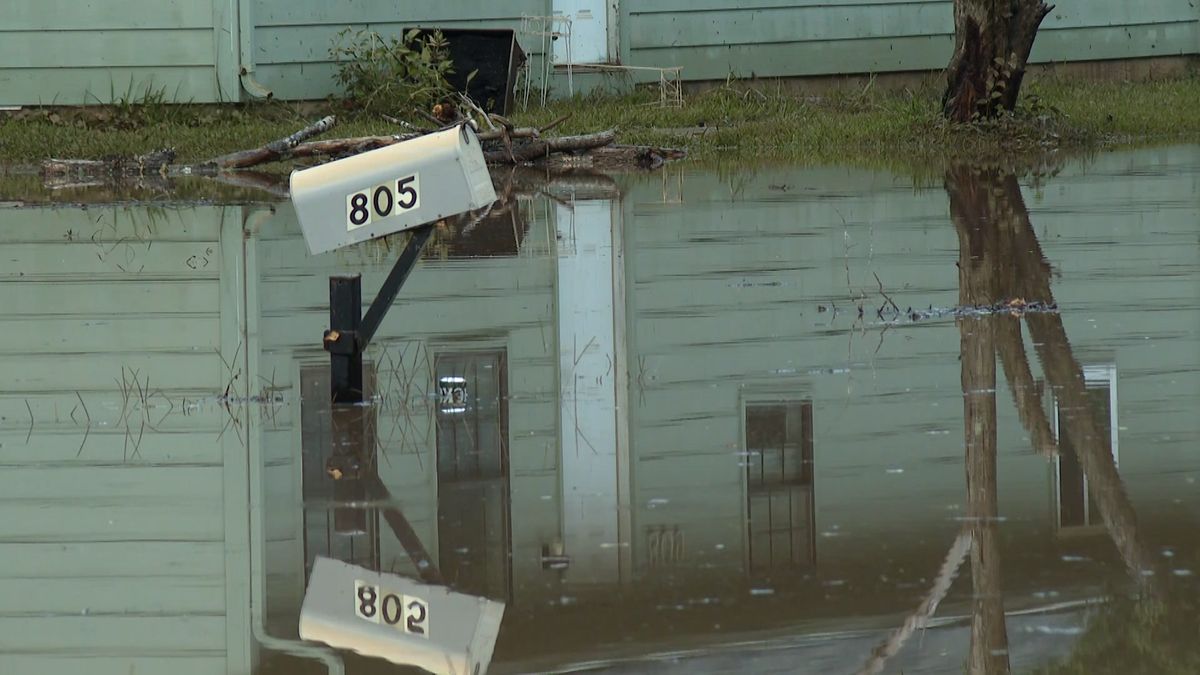
- $65 million for disaster relief, including Tropical Storm Chantal, which flooded parts of Chapel Hill and Orange County in early July. Of the money, $55 million is for the Department of Public Safety’s Division of Emergency Management for state match funds and $5.5 million for repairs to state highways damaged by Chantal.
- $35 million for public infrastructure improvements around Raleigh’s Lenovo Center, home of the National Hockey League’s Carolina Hurricanes and N.C. State University’s men’s basketball team. The Hurricanes are set to begin the first phase of a large-scale development around the arena to include parking structures, a new music venue and other retail spaces this winter.
- $51 million for economic development projects in Hertford County, including $40 million for a publicly owned dock and $11 million for construction of a public road. WRAL previously reported that a steel company is considering North Carolina for a major factory.
- $65 million in new funds for the North Carolina Global TransPark Authority as part of nearly $900 million in construction projects across the state, which were included in a previous financial package.
- A call for the sale of the chancellor’s residence at North Carolina Central University.
- $1.5 million over the next two years for the Raleigh-Durham Airport Authority to expand nonstop service to Dublin, Ireland. The airport authority announced last month that Aer Lingus would begin direct flights from RDU to Ireland next year.
- Allows the UNC System schools to receive accreditation from the Commission for Public Higher Education, which was established in June by six public university systems across the South – North Carolina, Florida, Georgia, South Carolina, Tennessee and Texas.