A meeting to discuss North Carolina's approach to limiting toxic PFAS discharges from industrial polluters was abruptly canceled Tuesday, just hours before it was set to begin.
The Environmental Management Commission's Water Quality Committee was scheduled to meet at 1 p.m. for a special session to discuss oversight of industrial dischargers and PFAS monitoring plans. The special meeting was intended to prepare for the commission's regularly scheduled March 12-13 meetings.
Other WRAL Top Stories
However, without explanation, the meeting was called off, and its agenda was removed from the state's website. It's unclear why the meeting was canceled or who made the decision.
Surprise and confusion among commission members
Even members of the Environmental Management Commission were unaware of the cancellation. Robin Smith, who planned to attend virtually, did not know the meeting had been canceled until she was contacted for comment. Another commissioner, Bill Yarborough, said he was surprised and did not know why the meeting had been called off.
The sudden cancellation raises questions about transparency and accountability, particularly as the commission has faced criticism for delaying action on PFAS pollution controls.
"Given the PFAS crisis that North Carolinians have already experienced, we deserve transparency and action after this commission has delayed limits on these toxic chemicals for months," said Jean Zhuang, senior attorney at the Southern Environmental Law Center. "If this commission does not force PFAS polluters to pay for their own pollution through PFAS standards, the burden will fall on North Carolinians' health and pocketbooks."
The North Carolina Department of Environmental Quality (DEQ), which was scheduled to present at the meeting, said it was not involved in the decision to cancel.
"DEQ is working with the Water Quality Committee to develop a PFAS Minimization Initiative for industrial direct dischargers to surface water and indirect dischargers to municipal wastewater treatment plants," a DEQ spokesperson said in a statement. "DEQ did not make the decision to cancel today's meeting. We were prepared to receive the committee's feedback on several key components of the initiative and are now focusing our efforts on presenting draft rules at the upcoming March meeting."
Political shift in the commission's makeup
The composition of the Environmental Management Commission has changed significantly in recent years, shifting power away from the governor's office.
- Previously, the governor appointed a majority of commission members.
- In 2023, North Carolina’s Republican-controlled legislature passed a law shifting appointment power, giving the General Assembly more control over environmental policymaking.
- The governor now appoints seven members, while the General Assembly appoints six and the agriculture commissioner appoints two.
Democratic Gov. Roy Cooper challenged the law in court, arguing it unconstitutionally stripped executive power. However, in March 2024, a three-judge panel ruled unanimously that the law was constitutional, determining that the executive branch -- including the governor, agriculture commissioner and insurance commissioner -- still holds a majority of appointments across the commission and other environmental boards.
Regulatory delays could cost North Carolinians
PFAS, often called "forever chemicals," have been detected in the drinking water of 3.6 million North Carolinians. These chemicals – linked to cancer, developmental issues and immune disorders – persist in the environment for decades and do not break down easily.
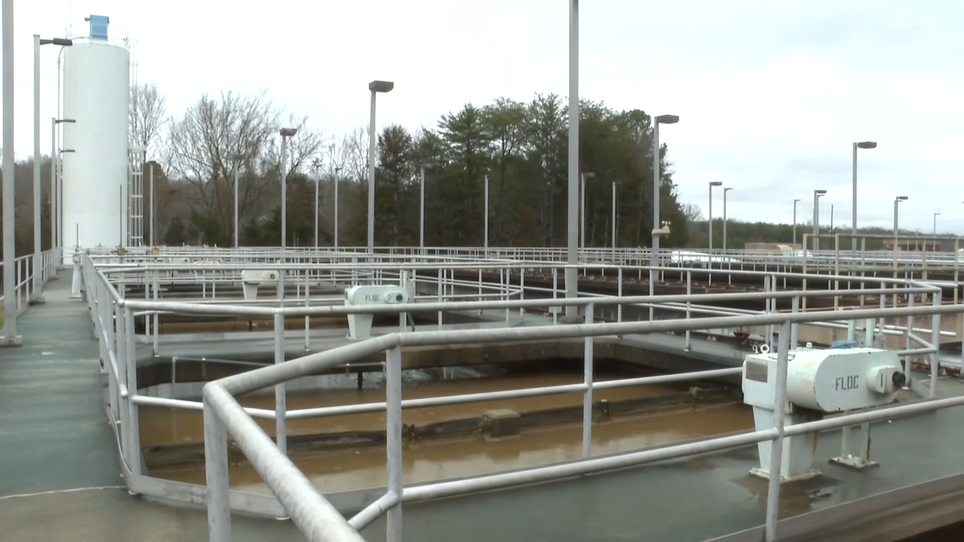
Despite federal drinking water standards for PFAS, North Carolina has not yet finalized its own rules for surface water discharges, leaving local water utilities to bear the cost of cleanup.
- Wilmington's Cape Fear Public Utility Authority has already spent $75 million on PFAS filtration and expects continued costs.
- Fayetteville's Public Works Commission is building a $92 million system to remove PFAS from drinking water.
- Up to 300 water systems statewide may require expensive upgrades to comply with new federal standards.
Without state regulations to limit PFAS at the source, polluters are not required to reduce discharges, shifting the financial burden to water utilities and, ultimately, ratepayers.
DEQ pushes for stricter standards, but progress stalls
The North Carolina Department of Environmental Quality has repeatedly called for stronger regulations to prevent PFAS pollution before it reaches drinking water sources.
"Providing safe drinking water to every single North Carolinian is a huge priority for this department," DEQ Secretary Reid Wilson said. "The most cost-effective way to protect people is to reduce discharges of the pollution in the first place."
However, efforts to establish water quality standards for PFAS have faced repeated delays at the commission level.
- In September 2024, DEQ presented proposed surface water PFAS standards, but the commission's Water Quality Committee directed further revisions, delaying a vote.
- In November 2024, the committee rejected stricter regulations, instead directing DEQ to create a “minimization plan,” a weaker alternative that does not set enforceable limits.
What's next?
Neither DEQ nor commission leadership has provided an explanation for why the meeting was canceled, why the agenda was removed from the website, or why a new date wasn't set for the special meeting.
The next full commission meeting is scheduled for March 12-13.