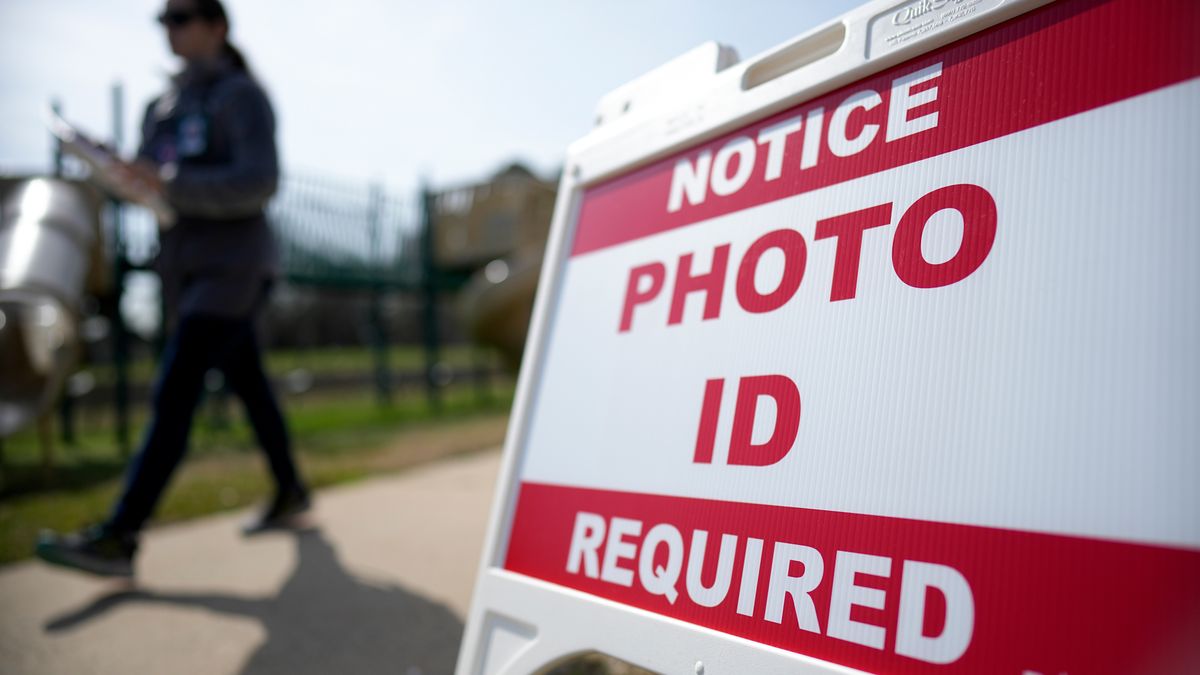
The North Carolina NAACP is appealing a lawsuit it lost earlier this year, in a case seeking to have North Carolina’s voter photo identification law ruled unconstitutional.
Republicans have been trying for more than a decade to implement voter ID in North Carolina, saying it’s needed to stop voter fraud and improve people’s faith in elections.
Other WRAL Top Stories
The idea enjoys at least some bipartisan support, although Democratic politicians have mostly opposed it in the past. A ballot referendum to add voter ID requirements to North Carolina’s constitution passed a popular vote in 2018 with 55.5% of the vote.
Due to previous legal rulings, voter ID has been in use in North Carolina since 2023. In that time, each election has seen a small number of people being stopped from voting for not having a valid ID. The vast majority of voters, however, have been able to cast a ballot with few to no issues.
The initial version of the voter ID law that GOP state lawmakers passed in 2013 was struck down in federal court, which ruled that the legislature intentionally discriminated against Black voters. The court determined that state lawmakers used racial data to craft the law so that it allowed types of IDs more likely to be used by white people, and not types of IDs more likely to be used by Black people.
Most people have driver’s licenses, which can be used as voter ID. So the potential consequences of the racially motivated selection of other acceptable IDs were small. But the 4th Circuit Court of Appeals struck down that 2013 law, which had also contained other racially motivated changes to election laws surrounding early voting, ruling that Republicans wrote the provisions to target Black voters “with almost surgical precision.”
Republicans then tried again, passing another voter ID law in 2018 that was more permissive, with more types of acceptable IDs, which they said should get around their previous racial targeting problems. The NAACP sued again, saying the law was still discriminatory. But they lost that argument last month.
Federal District Court Judge Loretta Biggs wrote that she personally believed the NAACP was correct that the new version of the law still discriminates against minority voters — but that she felt she had to rule against the NAACP anyway, due to previous federal appellate rulings.
The NAACP is testing that with its appeal, which will take the case to the 4th Circuit Court of Appeals and, perhaps, later to the U.S. Supreme Court.
“We will continue the fight against illegal discrimination and to ensure voters know their rights and know that they are protected in exercising them,” N.C. NAACP President Deborah Dicks Maxwell said in a statement after the initial ruling.
Spokespeople for the state elections board and Republican legislative leaders didn’t immediately respond to requests for comment.