North Carolina lawmakers are reviving an effort to ban adversaries of the United States from buying farmland and property near military installations across the state.
Republican legislators on Tuesday introduced a proposal to ban “adversarial foreign governments” and state-controlled enterprises from purchasing, leasing or holding controlling interests in agricultural land statewide or property within 50 miles of military installations. The proposal, filed as an update to “North Carolina Farmland and Military Protection Act,” comes after members of the House of Representatives and Senate filed competing proposals to protect U.S. farmland in recent months.
Other WRAL Top Stories
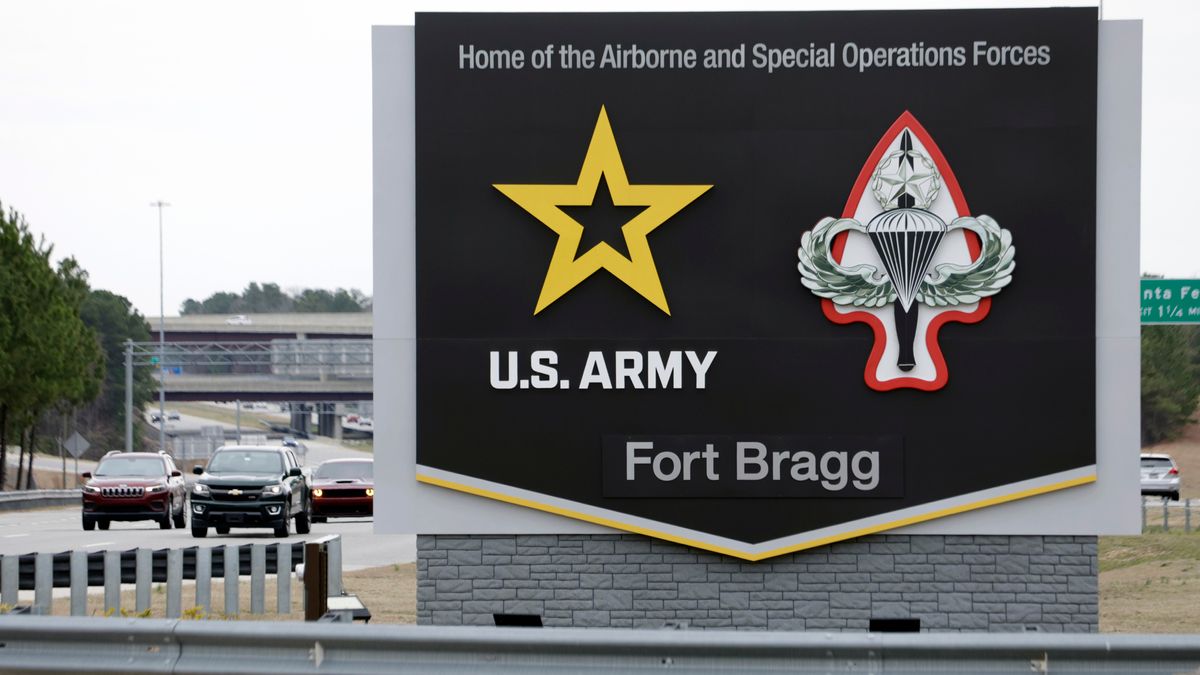
The legislation introduced Tuesday defines adversarial foreign governments using a federal list tied to International Traffic in Arms Regulations, which includes countries such as China, Russia, Iran, North Korea, Cuba and Venezuela. Military installations named in the bill include Fort Bragg, Marine Corps Base Camp Lejeune, Seymour Johnson Air Force Base, Marine Corps Air Station Cherry Point and other military and National Guard facilities.
An earlier version of the bill passed unanimously in the House last year — but failed to get a vote in the Senate. Sen. Bob Brinson, R-Craven, told lawmakers at a Senate Judiciary Committee meeting Tuesday that he had worked with bill sponsors to address lingering concerns about the legislation.
For instance, Brinson said, the previous version of the bill would’ve banned foreign adversaries from buying land within 75 miles of a military base. Some thought that distance was too far, he said, so lawmakers compromised and changed the ban to a 50-mile radius. Lawmakers also strengthened the bill by adding National Guard facilities to the list of military installations that must be protected, Brinson said.
The bill would give the state Attorney General authority to investigate potential violations and seek court-ordered divestiture of prohibited land holdings. Property acquired in violation of the law could be placed into receivership and sold, with proceeds used to cover costs and remaining funds directed to the state.
Senate Democrats on Tuesday said they appreciate Brinson’s revisions but are concerned that the ban could have unintended consequences on North Carolina’s economy. Sen. Lisa Grafstein, D-Wake, asked bill sponsors to add protections for immigrants who moved to the U.S. years ago and started a business. She also said she’d prefer to set the purchase restrictions at 10 miles or less.
“I don't know that a foreign government is going to set up in Holly Springs because Fort Bragg is 50 miles away,” Grafstein said.
Republicans said they’re more concerned about threats to national security than they are about the bill affecting the state’s economy. Brinson noted that North Carolina is among the fastest-growing states in the nation partly because it’s a top destination for businesses.
Sen. Michael Lazzara, a Republican whose district includes the Camp Lejeune Marine Corps Base, said military leaders are concerned that advancements in technology are making it easier for foreign adversaries to get close to U.S. facilities.
“A big concern of the bases is this new drone technology and the protection of military bases from drones flying around the bases, snooping at the training facilities and what they're doing,” Lazzara said, adding: "We can't take this issue for granted."