Warmer temperatures mean more people on hiking trails or doing yard work, but also means an increase in snake sightings.
A WRAL viewer shared a video of a copperhead they found in his yard in Cary Monday night.
Other WRAL Top Stories
“That’s when I froze,” said Christopher Lare, who found the snake lurking in his yard. “Thankfully, it moved away from me because it was pretty close.”
He said this was the first time he’s encountered a copperhead this close. It was hiding under a pressure washer.
“I've seen them on the trails, hiking out in the wilderness, but not so much this close to home,” Lare said.
Scott Gibbs shared this picture with WRAL of a copperhead he spotted while walking his dog on the Higgins Greenway in Cary the next morning.
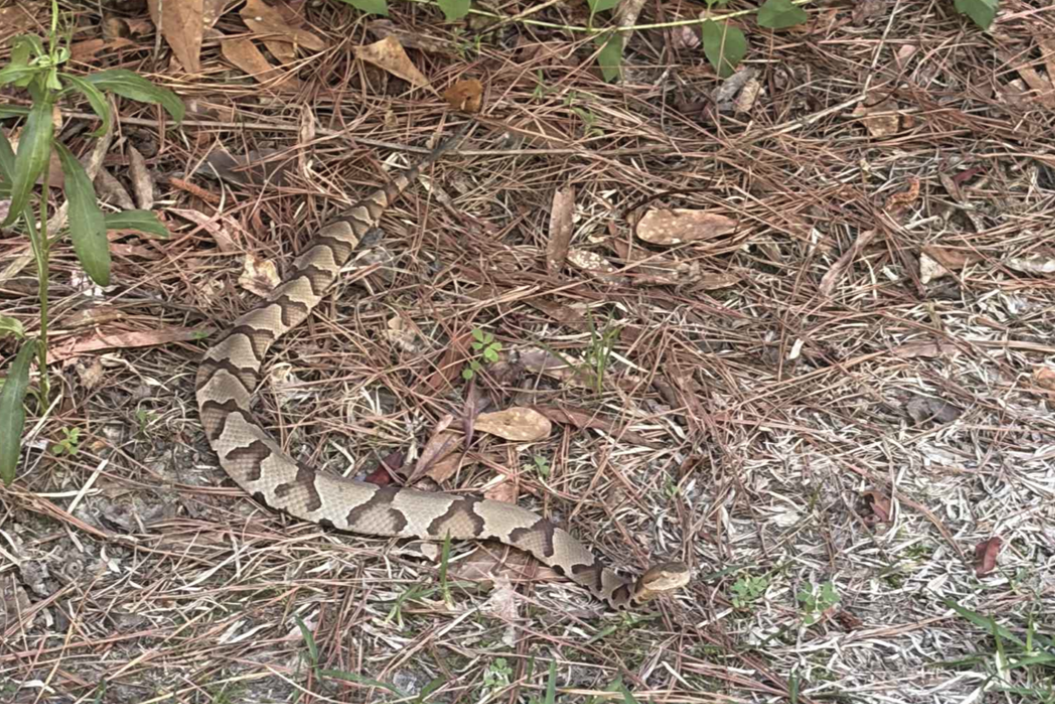
Snake expert and wrangler, Milton Morgan, says this time of year is when there will be more snake encounters.
“I count on seeing snakes from now through the end of October,” Morgan said. “They won’t harm me if I don’t harm them.”
Morgan said the key to keeping snakes away is making sure your yard is tidy.
“If you can eliminate some of the obvious hiding places for snakes, that's going to help you considerably,” Morgan said.
Copperhead snakes are the most common venomous snake North Carolinians should watch out for.
Just last summer, a Raleigh woman said a copperhead snake bit her while she was protecting her dogs.
RELATED: How to identify North Carolina’s snakes, and steer clear of them
Morgan says if you do see a snake, just leave it alone, and it will leave.
“They're just moving through,” Morgan said. “They're trying to coexist with everyone else.”
Lare says his sighting this week was a good reminder as the weather gets warmer.
“Seeing one that close personally, it was like, ok, it's that time,” Lare said.
What to do if you see a snake in your yard
In a previous interview with the North Carolina Wildlife Resources Commission, biologists told WRAL News as the temperature increases, so do the number of snakes near trails, gardens and your yard.
"When it's warm enough outside, they wake up and become active, and that's in temperatures just like we have now," said Wildlife Extension Biologist Falyn Owens. "Any time the temperatures are over 60 degrees, usually, for more than a few days, the snakes are going to be active."
If the snake doesn’t leave your yard, Morgan says you can call a snake relocator to come and remove the snake.
To lower the chances of having snakes in your yard, clearing some of the debris, such as firewood piles and leaves, can help, according to Morgan.
There are people who do snake relocations, wildlife experts said snakes don't tend well with relocation.
If you want to hurry a snake along from your yard, a light spray with a hose should work. You can do that at a safe distance, and it doesn't harm the snake. It's a fast and effective method that will quickly encourage the snake to find someplace else to go.
Don't spend your money on snake deterrent or snake repellent chemicals, especially mothballs, since they can be toxic to wildlife.
Instead, focus on removing the habitat that's attractive to snakes. Keep your grass mowed and avoid areas of brush and tall vegetation to reduce places that snakes can hide.