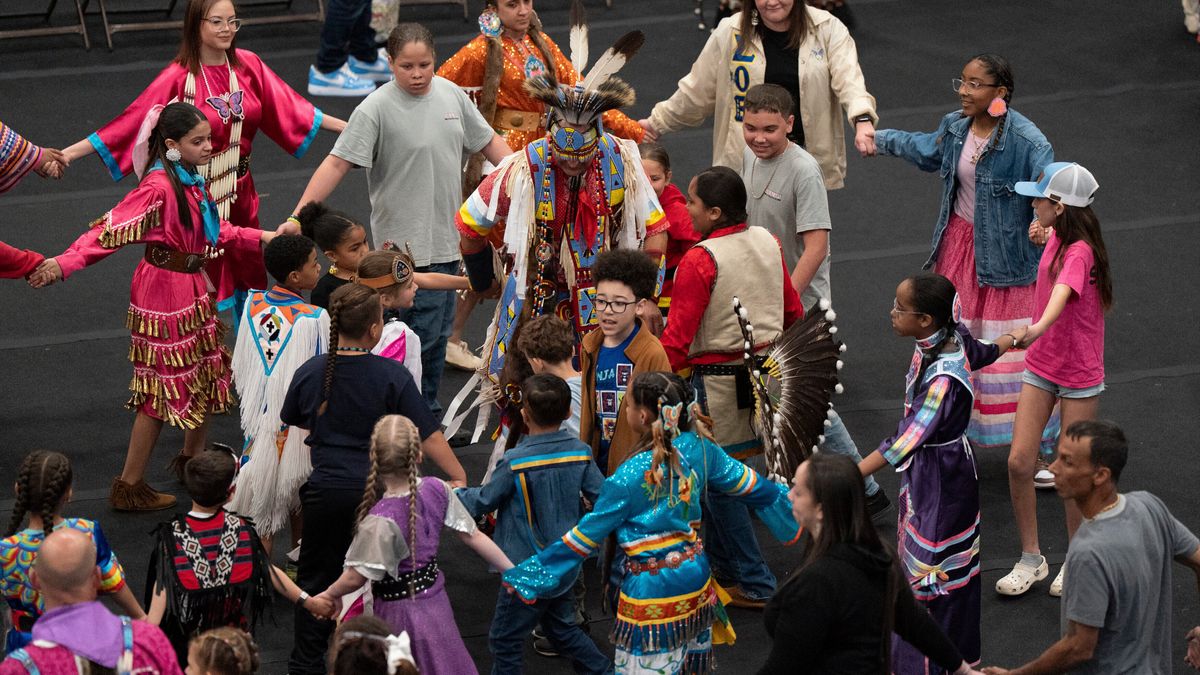
North Carolina’s Lumbee Tribe could receive federal recognition within the month — a goal that’s been generations in the making for the tribe, but which also faces heavy opposition from other Native American groups.
The vote in Congress — part of a wide-ranging defense-spending bill — isn’t guaranteed. Lawmakers are expected to debate and possibly adjust the bill in the coming days. Until now, proposals to give federal recognition to the Lumbee have failed to win enough support to pass, even with the backing of presidents Joe Biden and Donald Trump. Supporters believe this latest push is more likely to succeed.
Other WRAL Top Stories
“For decades, the Lumbee people have sought full federal recognition — and today, we are closer than ever to making it a reality,” U.S. Rep. Mark Harris, a Republican who represents Lumbee-heavy Robeson County in Congress, wrote on social media Monday.
If it passes, it could lead to the construction of a new casino in North Carolina — likely along the major thoroughfare of Interstate 95 in southeastern North Carolina. It could also open up major federal funding for health care and education in Robeson County and other areas with large Lumbee populations.
Leading the opposition have been other Native American tribes, including those that say the Lumbee isn’t a true indigenous tribe but rather a relatively new mixed-race group formed by the intermingling of natives, escaped slaves and others. Other tribes have opposed recognition of the Lumbees over concerns about increased competition for federal aid or casino visitors.
On Monday the Eastern Band of Cherokee Indians, the only federally recognized tribe in North Carolina, released a statement from Principal Chief Michell Hicks saying he was "deeply disappointed and alarmed" at the prospect of Lumbee recognition.
The newest strategy from Lumbee supporters is to not hold an individual vote on Lumbee recognition but to instead roll the proposal into an unrelated bill — and one that would be politically tough for most members of Congress to oppose: The National Defense Authorization Act.
The 3,000-page NDAA bill funds the military and its contractors and recommends new changes to national defense priorities. The current proposal, unveiled Sunday, is stuffed with provisions unrelated to the military — ranging from new rules for businesses that invest in China to the replacement of a drinking well in a small Virginia town and federal recognition of the Lumbee Tribe.
“We have used every tool at our disposal to secure recognition in this year’s NDAA,” Harris wrote. A vote on the bill hasn’t been scheduled, but it could happen this month.
Hicks, the Cherokee chief, said that was a dangerous strategy because it avoids the kind of evidence, debate and scrutiny that tribes normally face when their recognition is subject to a standalone vote, and that it risks creating a precedent making tribal recognition tied to unrelated political issues.
"Once recognition is granted without an evidentiary review, the standing of all federally acknowledged tribal nations becomes more vulnerable to political shifts rather than being anchored in history and law," he said.
State Rep. John Lowery, R-Robeson, who also serves as leader of the Lumbee Tribe, wrote on social media that he was in Washington over the weekend as the NDAA deal was being hammered out. Recognition is “a promise long overdue that will provide economic benefit to everyone in Robeson County,” he said.