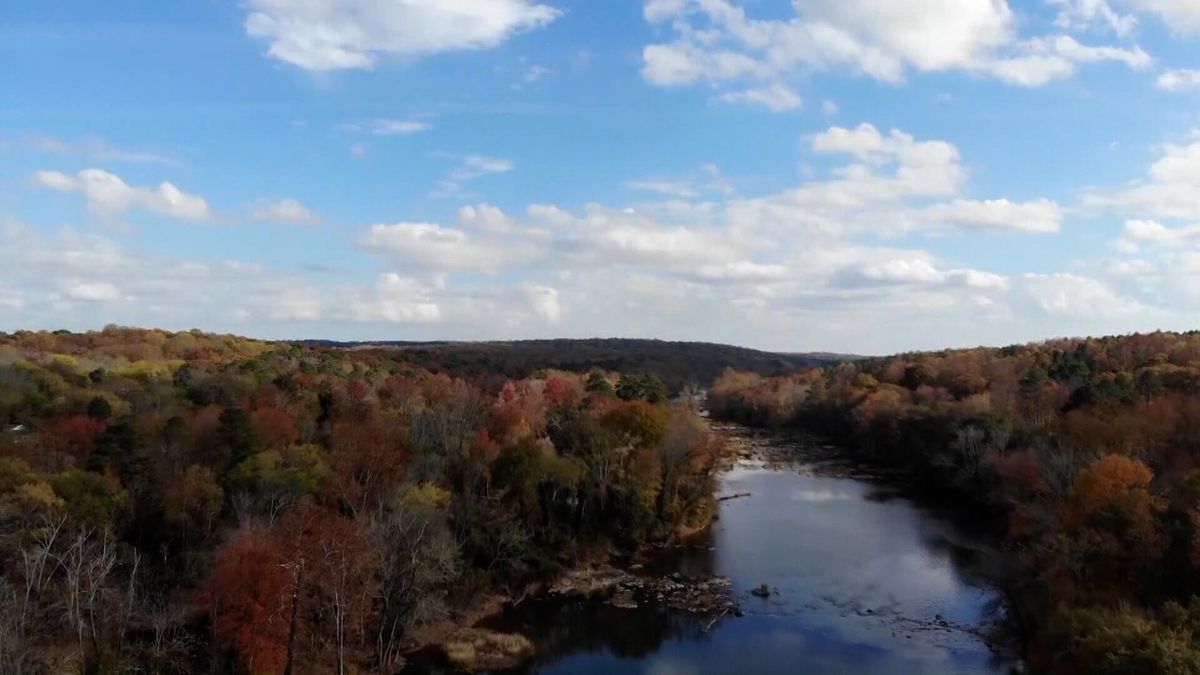
The city of Fayetteville, NC, offers more than its well-known military roots. Visitors can explore hidden gems like Cape Fear Botanical Garden, the Museum of the Cape Fear Historical Complex and Carvers Creek State Park, along with vibrant downtown spaces filled with culture and history.
Visit North Carolina reports that tourism contributes billions annually to the state's economy. What makes some travelers overlook destinations like Fayetteville despite its rich offerings?
Other WRAL Top Stories
The answer lies in not knowing where to look beyond the obvious attractions. Let's look into five hidden gems that reveal the depth of North Carolina's cultural heritage found throughout this unique and historic city.
1. Cape Fear Botanical Garden
Cape Fear Botanical Garden offers a quiet place to step away from busy streets and spend time in nature. Located along the Cape Fear River, the space brings together natural beauty and local history in a way that feels calm and easy to explore. Visitors can walk at their own pace and take in the setting without feeling rushed.
The garden features native plants that reflect North Carolina's cultural heritage and the natural landscape of the region. Many of the trails pass through areas that connect to the lives of early settlers in North Carolina, which adds a deeper sense of place. Informational signs share stories about how people once used the land for farming and daily life.
2. Museum of the Cape Fear Historical Complex
The Museum of the Cape Fear Historical Complex offers a closer look at the stories that shaped the region. It brings together artifacts, exhibits and preserved spaces that reflect daily life across different time periods.
A visit here gives a clearer sense of how the area developed over time. Inside the museum, exhibits focus on key North Carolina historical events that influenced both Fayetteville and the wider state.
Displays cover everything from early settlement days to more recent moments that shaped the community. Visitors can move at their own pace and take in each part without feeling overwhelmed.
Outdoor areas add another layer to the experience. Historic buildings show how people lived during North Carolina's colonial history, including homes and workspaces. Walking through these spaces helps connect the past to the present in a way that feels direct and real.
3. Airborne & Special Operations Museum
The Airborne & Special Operations Museum offers a detailed look at military history in a way that feels personal and direct. Located near the heart of Fayetteville, it reflects the strong connection between the city and nearby Fort Liberty. Visitors often leave with a deeper respect for the people who have served.
Inside, exhibits focus on real stories tied to North Carolina historical events, especially those connected to airborne and special operations forces. Displays include uniforms, equipment and personal accounts that help bring each story to life. The layout is easy to follow, which makes it simple to move from one time period to the next.
Many exhibits highlight the impact of Famous figures in North Carolina who played roles in military history. Their experiences help shape the broader story of the region.
4. Downtown Fayetteville & Hay Street
Downtown Fayetteville and Hay Street offer a different side of the city that feels relaxed and easy to explore. The area has seen steady growth over the years, with older buildings now home to local shops, small restaurants and art spaces. Walking through the streets gives a sense of how the past and present come together in everyday life.
Many of the storefronts reflect North Carolina's cultural heritage through local goods, handmade items and regional food. Murals and public art add character to the area without feeling overdone. Small galleries and studios give visitors a chance to see work from local artists and learn more about the community.
5. Carvers Creek State Park
Carvers Creek State Park offers a quiet break from city life without being far from Fayetteville. The park feels open and calm, with wide spaces and natural scenery that change with the seasons. It's a place where visitors can slow down and enjoy the outdoors at their own pace.
The landscape reflects North Carolina's cultural heritage through its longleaf pine forests and natural habitats. Trails wind through areas that show how the land looked before large-scale development. Parts of the park connect to the history of early settlers in North Carolina, especially in how the land was used and cared for over time.
One highlight is the Rockefeller House, a historic property that adds another layer to the visit. Walking paths lead to scenic views and quiet corners that feel removed from daily noise.
Frequently asked questions
What is Fayetteville, NC, known for historically?
Fayetteville has a strong place in early American history. The city played a role during the Revolutionary War and later became an important trade center along the Cape Fear River. Many North Carolina historical events connect to the area, including early political meetings and military activity that shaped the region's growth.
How does Fayetteville reflect North Carolina's colonial history?
Parts of the city still show clear ties to North Carolina's colonial history. Historic buildings, street layouts, and preserved sites reflect how early communities were formed. The influence of early settlers in North Carolina can be seen in local traditions, land use patterns and more.
Are there any famous figures connected to Fayetteville?
Fayetteville has connections to several well-known individuals, especially in military and political history. Some leaders who trained or served in the area went on to have national influence. These ties add to the broader story of Famous figures in North Carolina and their impact beyond the state.
Explore the city of Fayetteville, NC
The city of Fayetteville, NC, leaves a lasting impression through its blend of history, culture, and quiet discoveries. Each hidden gem adds depth to the experience, from nature trails to historic sites.