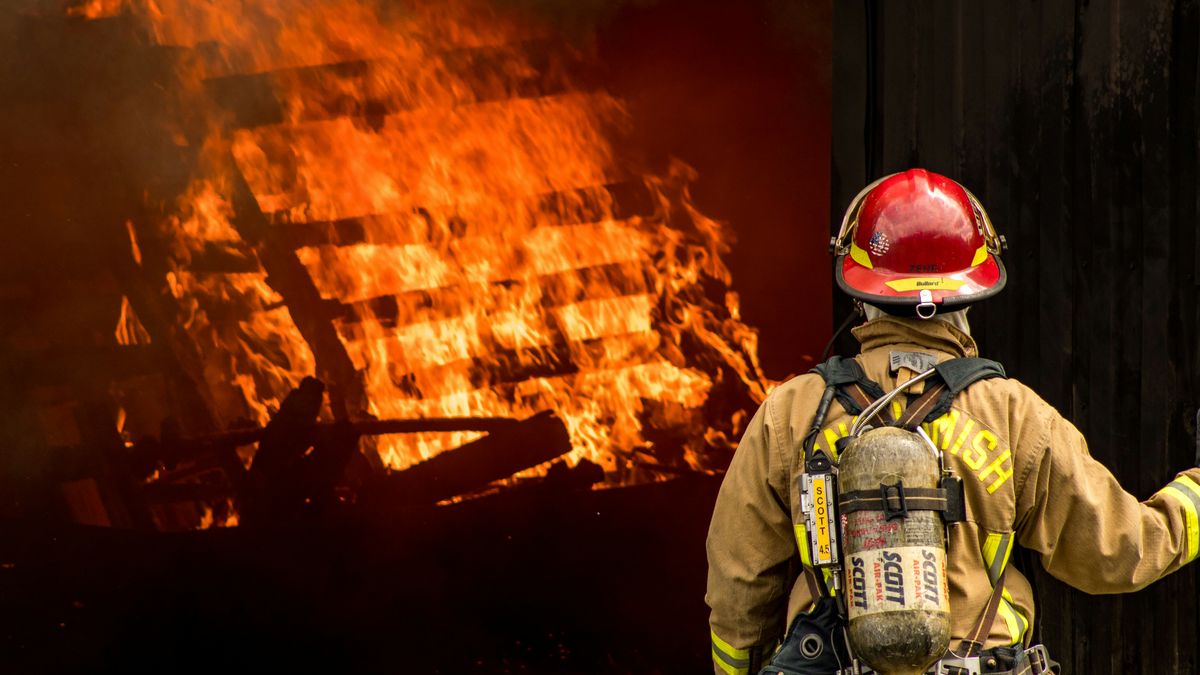
WRAL Investigates has reported for years on the risks firefighters face from cancer on the job, including from cancer-causing forever chemicals found in their own suits, and on the steps lawmakers have taken to increase support for firefighters facing job related cancers.
Timeline: WRAL's coverage of firefighter cancer deaths
Other WRAL Top Stories
May 2025: North Carolina firefighters gather in Raleigh’s Nash Square to honor 13 firefighters who lost their lives in the line of duty. The most common cause of death was cancer, claiming five firefighters on the list.
March 2025: Firefighters with the Raleigh Fire Department are offered screenings for esophageal precancer through a new type of test. The test uses a small pill-sized scraping device, which is swallowed and extracted within less than five minutes. The test is sent off for DNA testing and can determine if a precancer is present.
December 2023: A new study from North Carolina State University examines alternatives to toxic PFAS chemicals in firefighting gear.
November 2023: Raleigh Fire Department Captain Nathan Burgess dies after a battle with cancer. His wife started The Phoenix Project to remind and educate firefighters on how they can lower their risk of exposure to carcinogens and hazardous materials -- like changing out of smoky uniforms and showering as soon as possible after responding to fires.
May 2023: Wake County plans to provide firefighters with a second uniform -- an additional coat and pair of pants -- making it easier for firefighters to change and wash gear after exposure to contaminants. The new gear also has a cancer-protective inside layer designed to protect firefighters from carcinogens.
August 2022: The state has begins making payments out of a new $15 million fund meant to help firefighters who have developed cancer. New diagnoses qualify for an immediate lump sum payment, followed by up to $12,000 in reimbursements to cover out-of-pocket medical expenses.
November 2021: North Carolina's state budget calls for a $15 million pilot program that provides benefits to firefighters diagnosed with any type of cancer.
May 2021: Brent Upton, a Raleigh firefighter who had been battling cancer for several years and was part of a WRAL Investigates series of stories on the cancer dangers firefighters face, dies. During a 2018 episode of "On the Record," he was candid about the risks for him and his fellow firefighters.
April 2019: Legislation designating nine types of cancer as on-the-job injuries for firefighters advances in the North Carolina House.
July 2018: Three more Raleigh firefighters die from cancer since WRAL Investigates' April 2018 report. A new federal law creates the Firefighter Cancer Registry to help track and study the problem of firefighters being diagnosed with cancer.
April 2018: WRAL Investigates tackles the topic of firefighters dying from cancer. In 2016, 70% of firefighters who died nationally in the line of duty died from cancer. Studies show firefighters have at least a 9% higher chance of contracting cancer than the general public and a 14% greater risk of dying from it.
11 steps to reduce risk of cancer in firefighters
The Lavender Ribbon Report from the National Volunteer Fire Council and the International Fire Chiefs Association details 11 actions firefighters need to take to reduce their risk of developing occupational cancer:
- Full personal protective equipment (PPE) must be worn throughout the entire incident
- A second hood should be provided to all personnel in the department
- After leaving the fire, firefighters should begin decontamination of PPE using soap water and a brush if weather conditions allow. PPE should then be put into a sealed plastic bag and put in an exterior compartment of the rig.
- After finishing decontamination and will still on the scene, wipe off exposed areas of the body (neck, face, arms and hands) using wipes. Use wipes to remove as much soot as possible from head, neck, jaw, throat, underarms and hands immediately.
- Change clothes and wash them after exposure to products of combustion or other contaminants.
- “Shower within the hour.” Shower as soon as possible after exposure to products of combustion or other contaminants.
- PPE, especially turnout pants, are prohibited in areas outside the firefighter truck floor and never in the household
- Wipes or soap and water should be used to decontaminate and clean firetruck seats
- Get an annual physical, as early detection is the key to survival
- Tobacco products should not be used anytime, on or off duty
- Fully document all fire and chemical exposures in incident reports and personal exposure reports