For years, overdose deaths in North Carolina have been falling, part of a broader national trend that researchers say is being driven in part by better information, stronger community partnerships, and early intervention efforts.
At the center of some of that work in North Carolina is UNC’s Street Drug Analysis Lab in Chapel Hill that has quietly become a national resource for tracking dangerous substances in the street drug supply.
Other WRAL Top Stories
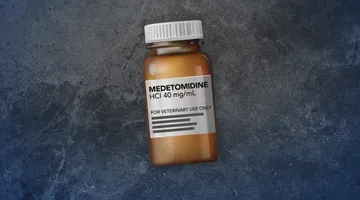
The lab has recently warned about the spread of medetomidine, a powerful veterinary sedative showing up in North Carolina drug samples and linked to severe withdrawal symptoms that scientists say can be deadly.
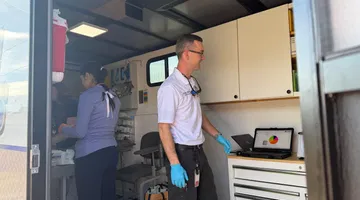
Inside the lab, scientists spend their days unpacking and cataloging drug samples sent in from communities across the country before analyzing them with specialized equipment.
One instrument converts substances into gas form and identifies the chemical makeup of each sample, allowing researchers to detect dangerous additives and emerging drug trends.
UNC Street Drug Scientist Nabarun Dasgupta has been key in the lab's work.
“We've detected over 500 unique substances in the drug supply,” Dasgupta said.
Dasgupta said he launched the effort in 2022 after recognizing a major gap in public health responses to drug use.
“Traditionally, we don't find out what's in the drug supply until it's too late, when people are either dead or they're arrested,” he said. “There's no opportunity for recovery, no opportunity for prevention.”
The information gathered inside the lab is shared with public health officials, harm reduction organizations and local governments to help shape policies and outreach programs. Researchers say it also helps people who use drugs better understand the risks they face.
“One of the surprising things has been that people find out what's in the drug supply, and it's not what they expected, and they ask, ‘How do I get rid of this?’” Dasgupta said. “I think that's been a kind of watershed moment in how what we're doing really changes people's behavior.”
Watch: UNC lab tracks America's 'synthetic soup' of street drugs with Dr. Nabarun Dasgupta
North Carolina’s overdose death rate has declined faster than many other states, according to Dasgupta, who credits collaboration between local governments, health organizations and frontline recovery workers.
“What we have built out is an incredible network of non-judgmental frontline care that is getting people who had been using drugs and are ready to quit into care and are done with that chapter of their lives,” he said.
Even as overdose deaths decline, Dasgupta said the work is far from over, especially as new substances continue entering the drug supply.
“This is a pivotal moment in drug use in the United States,” he said. “And if we continue to do the things that we know are working, we will actually be able to turn the page.”
Researchers say the work being done inside the UNC lab is now influencing public health strategies nationwide, providing communities with earlier warnings about dangerous substances before they trigger larger crises.