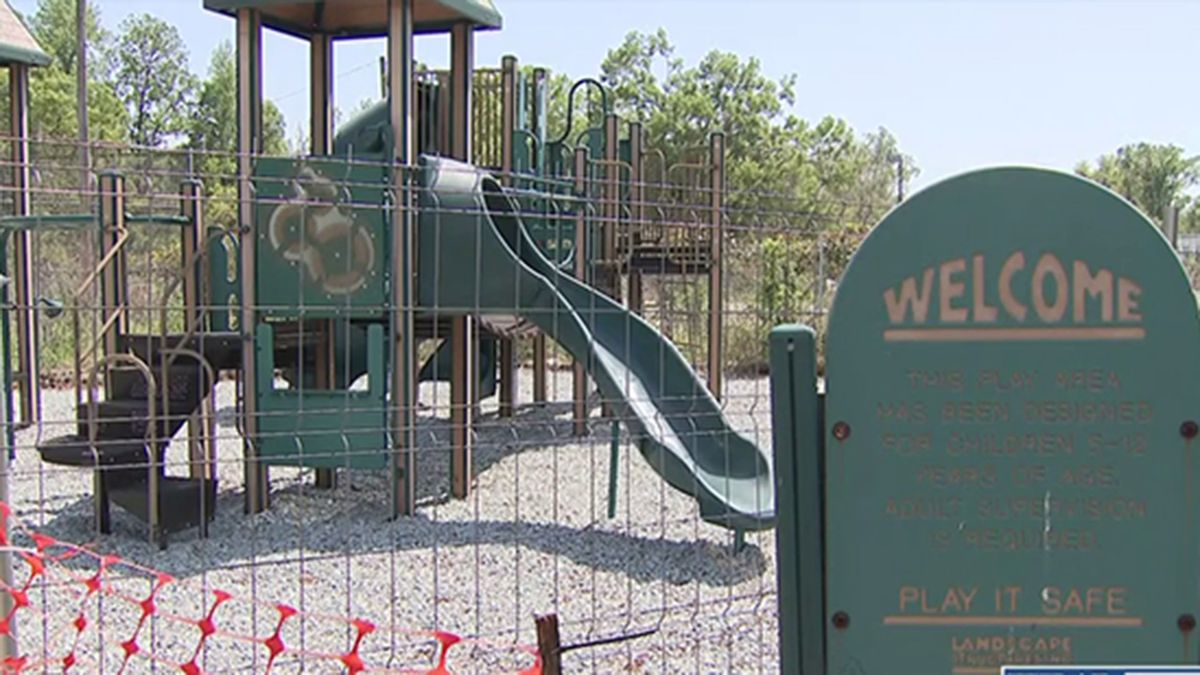
Initial estimates from the State's Department of Environmental Quality estimate the cost of fixing the high levels of lead in five Durham parks at roughly $10.5 million. Yet, a similar situation in Greensboro is calling that estimate into question, suggesting it could be much higher.
Greensboro's City Council recently voted to "cap and cover" the soil in its Bingham Park. Although it's a relatively small park compared to the size of those in Durham, the cost for that single park alone is estimated around $12.4 million. "Cap and cover" is a cheaper remediation option, which involves placing a barrier over the soil -- rather than removing all of the contaminated soil. The NCDEQ estimates provided for Durham's parks were also for a "cap and cover" option.
Other WRAL Top Stories
WRAL Investigates asked the NCDEQ if its Durham estimates were accurate, considering what the cost is projected to be in Greensboro.
A spokesperson responded, writing: "Each landfill has numerous site specific conditions that drive remediation costs. NCDEQ is working to complete the investigations that will give a cost estimate recommendation to the City of Durham for remediation options."
WRAL has reported extensively on the "alarmingly high" levels of lead in the soil at some Durham parks, as discovered in 2022 by Duke University researchers.
As WRAL Investigates reported Thursday, NCDEQ is still testing the soil from Durham's parks -- a process which could take several more months.
Durham City Council has already allotted $5 million for fixing the parks, and Durham's Parks and Recreation Director Wade Walcutt is currently requesting $7 million more.
"This has fallen in our laps, and we have to deal with it," Durham's Mayor Leonardo Williams told WRAL. "I'd rather our parks be closed, and we take the time to get it right."
Williams said he anticipates that City Council will approve the requested $7 million.
"If that's in the Manager's budget, I don't see us turning it down," he said.
Adding: "We are going to seek every possible funding source."
Most of the affected parks in Durham are in historically Black neighborhoods.
"We are very concerned with the equity matter of this," Williams said. "We are seeing once again how communities of color or minority communities have suffered the lower quality of life from public assets and we’re just trying to make that right."
He promises they will.
"All the data is being captured to support what scenario is best," he said. "Then we’ll make these decisions."