ACCRA, Ghana (AP) — Two Ghanaian nationals have asked the International Criminal Court to examine years of xenophobic violence in South Africa, arguing that repeated attacks on foreign nationals could amount to crimes against humanity.
The petition submitted to the ICC prosecutor by former Ghanaian government spokesperson Palgrave Boakye-Danquah and security analyst Emmanuel Kotin says it seeks accountability after years of recurring attacks on migrants.
Other WRAL Top Stories
“We are simply asking the ICC to investigate these allegations,” Kotin told The Associated Press on Thursday, adding that the initiative was private and not backed by Ghana’s government.
South Africa has experienced periodic outbreaks of anti-migrant violence for nearly two decades, with rights groups repeatedly urging authorities to do more to prevent attacks and prosecute those responsible.
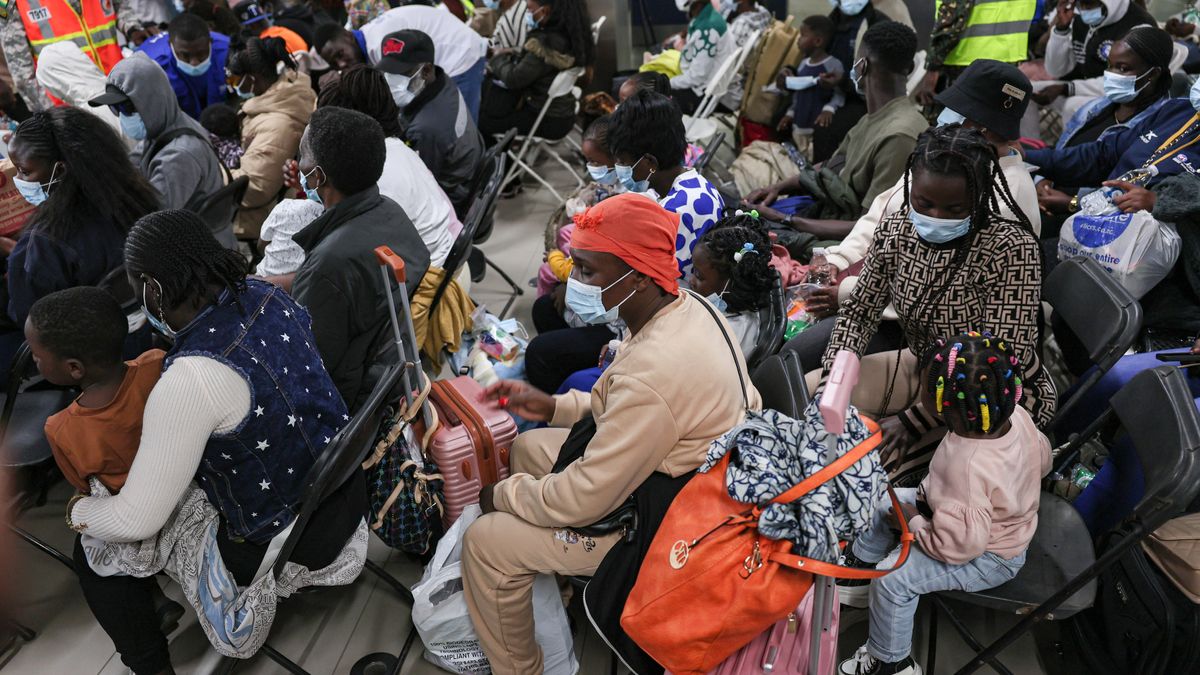
Anti-immigrant protesters in recent months blamed foreigners in South Africa for high levels of unemployment, crime and pressure on public services. The violence at the protests and attacks on Africans prompted Nigeria, Ghana and Malawi to repatriate their citizens and summon South African diplomats.
The petition was submitted to the ICC prosecutor on July 15 and alleges widespread and systematic attacks against African migrants between 2015 and 2026, including killings, assaults, looting and forced displacement. It also argues South African authorities failed to adequately prevent or prosecute the violence.
A spokesperson for the South African government did not immediately respond to a request for comment.
The ICC confirmed to the AP it had received the communication after the petitioners made it public. Under the Rome Statute, individuals and groups may submit information on alleged crimes to the prosecutor, who assesses whether there is a reasonable basis to proceed.
The submission of a communication does not automatically lead to a formal investigation, and the court receives many such communications, only a small proportion of which advance to later stages.