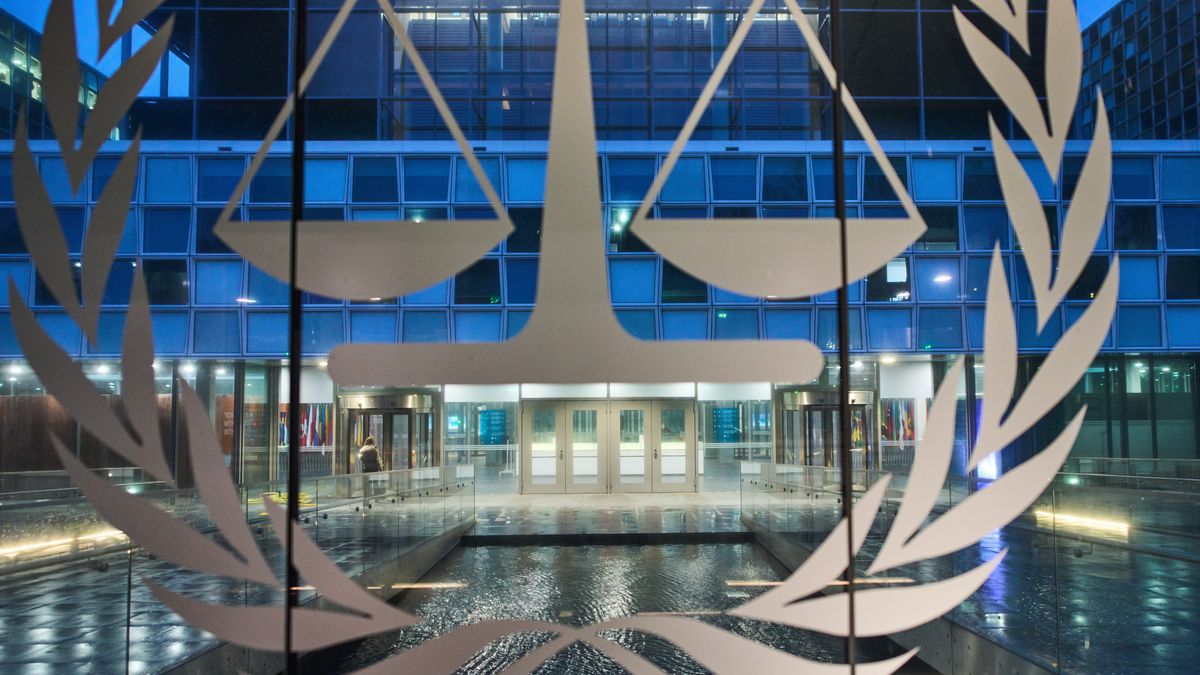
THE HAGUE, Netherlands (AP) — International Criminal Court judges reluctantly dropped a case Thursday against a fugitive Sudanese rebel accused of attacking African Union peacekeepers in Darfur nearly 20 years ago, after prosecutors said they could no longer prove their case at trial.
Judges were unusually critical of prosecutors at the global court in a written decision made public last week approving their request to drop charges against Abdallah Banda, who faced three war crimes counts related to his alleged involvement in a deadly 2007 attack on a peacekeeping camp in northern Darfur.
Other WRAL Top Stories
In a written statement, the court said Thursday that judges “found that the Prosecution had not demonstrated that the evidence supporting the confirmed charges deteriorated to an extent such that the case could no longer proceed to trial.”
But the judges ruled that “proceeding to trial in this particular case, with a Prosecutor who refuses to present the case despite evidentiary and legal obligations to do so, would be in contravention of the Chamber’s ultimate obligation to ensure a fair and efficient trial.”
Prosecutors acknowledged that their request would have an impact on 103 victims in the case “who have been waiting for over 15 years for justice for the crimes committed during the attack” on the peacekeepers. However, they argued that they suffered setbacks, including two key witnesses who are no longer considered credible and a new witness who came forward with testimony that could help to clear Banda.
“As a result, the Prosecution now no longer considers there are reasonable prospects of convicting Mr. Banda on any of the charges against him,” prosecutors wrote in their request to have the charges dropped. They said that an independent analyst who studied the evidence agreed with their assessment.
The decision comes as the global court is facing a concerted effort by the Trump Administration to “ dismantle ” the ICC and as the court's chief prosecutor, Karim Khan, faces a vote on Friday among the court's 125 member states on whether to oust him over allegations he denies of sexual misconduct with a female aide.
Two decades ago, Sudan's Darfur region became synonymous with genocide and war crimes, particularly by the notorious Janjaweed Arab militias, against populations that identify as Central or East African. Up to 300,000 people were killed and 2.7 million were driven from their homes.
The ICC last year convicted a Janjaweed leader and sentenced him to 20 years' imprisonment Tuesday for war crimes and crimes against humanity committed in the Darfur conflict more than two decades ago.
Then-President Omar al-Bashir has been charged by the ICC with crimes including genocide, but he has not been handed over to face justice in The Hague, despite being ousted from power and detained.
ICC prosecutors believe war crimes and crimes against humanity are continuing in Darfur, where civil war has raged for more than two years. The court's deputy prosecutor, Nazhat Shameem Khan, told the U.N. Security Council last year that the humanitarian crisis in Darfur “has reached an intolerable state,” with famine escalating and hospitals, humanitarian convoys and other civilian infrastructure being targeted.