HETAUDA, Nepal (AP) — For years, aid workers in central Nepal visited the shadowy spot alongside a darkened highway where transgender sex workers gather each night, offering them free HIV tests and counseling. Today, those aid workers still visit this spot — but this time, as sex workers themselves.
These former aid workers are among 280,000 worldwide who lost their jobs after the United States slashed its foreign aid funding last year. Most of those workers live outside the U.S., in conflict zones or poor areas where other job opportunities are scarce.
Other WRAL Top Stories
In impoverished Nepal, where a conservative culture leaves openly transgender people with few legal job options, the impact on aid workers’ lives was particularly crushing. Starving and scared, around 100 LGBTQ+ aid workers left jobless by the funding cuts have turned to sex work to survive, walking the streets alongside the very people they once fought so hard to help.
The public health implications are vast. With the U.S. funding cuts also eliminating access to HIV prevention medication in Nepal, health experts fear a spike in HIV prevalence among the surging ranks of sex workers, as well as members of the LGBTQ+ community.
In interviews with 15 former aid workers in Nepal, The Associated Press found nearly all had faced violence since turning to sex work, including gang rape. Most of the workers spent months trying to find other jobs, frequently being rejected the moment the employers realized they were transgender. Many have been forced to have unprotected sex with clients.
Police raids are common, but that generally makes the workers feel even more vulnerable, as many say they’ve been harassed and beaten by police officers.
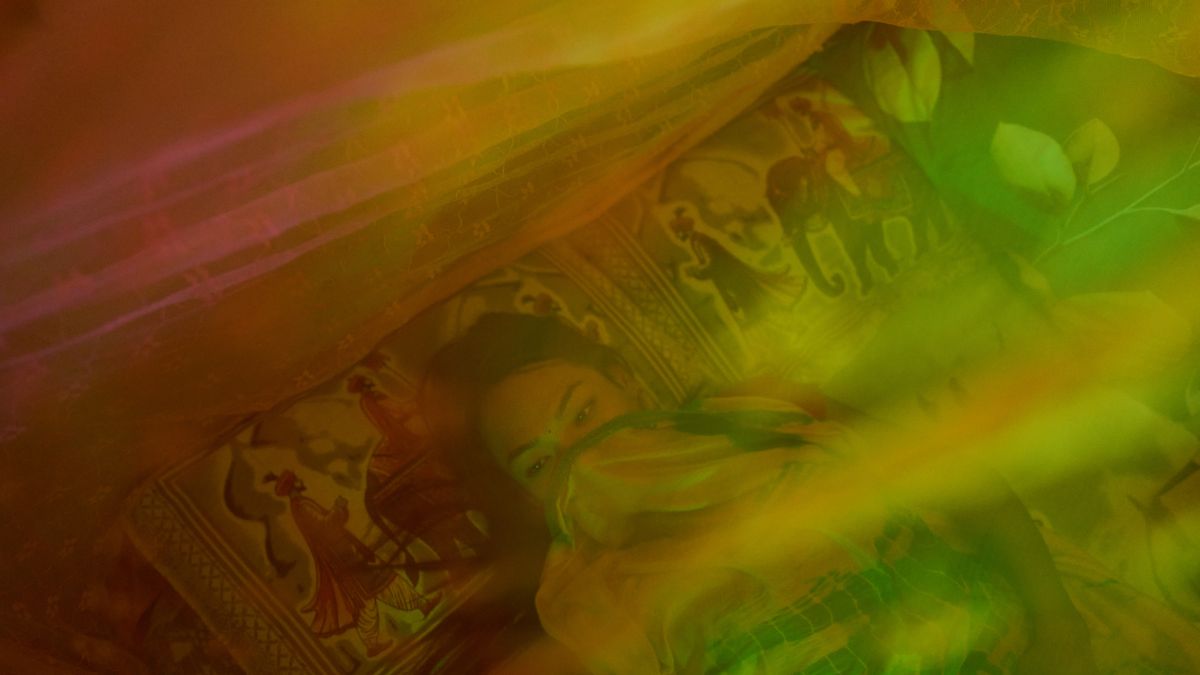
On a recent Friday night, Princy Tamang — who turned in desperation to sex work after losing her job as an HIV outreach counselor for the aid group Friends Hetauda — twirls in the shadows by the highway, trying to entice a client. She eventually lands one, hopping on the back of his motorbike and zooming off into the dark. Fifteen minutes later, she’s back, and waiting for the next.
Tamang feels her potential slipping away. Back at home, her stacks of learning certificates lie unused. She yearns for her old job, where she was respected and treated as an equal. The fall from that to this has been dizzying.
“I felt like I was on a high,” she says. “And then I crashed.”
Nearby, her former colleague, Rubi Lama, paces in the dark. Lama spent nine years working at Friends Hetauda, where she searched for, counseled and tested those at high risk of HIV, including sex workers.
After the U.S. cut funding to the group last year, Lama lost her job. In the months that followed, she applied for local government positions she was initially told she had, only to be rejected once she showed up in person. She started skipping meals and could no longer afford medicine or rent.
Lama realized it was sex work or starve. She knew where to go: the dark spot by the highway where she’d once tested sex workers and their clients for HIV.
She now lives in fear that she will contract HIV herself, and that her clients will kill her.
“All of my sex worker friends, including myself, who are involved in this profession are victims of violence,” Lama says.
For Bharati Thapa, a former Friends Hetauda field supervisor and peer educator, the violence started the very first night she stood by the highway. Two Indian tourists picked her up and took her to a guest house, where another eight men were waiting, all of them drunk. She was physically assaulted and raped before fleeing.
She sits one recent evening in the darkened office of Friends Hetauda. She wishes the funding that was cut would return, so she could once again do work that mattered, and that was safe.
“My life is at risk now,” she says softly. “I fear that I may contract HIV and sexually transmitted infections. I fear being beaten up and harassed by customers. I fear the police taking me away at night. How can I not be afraid? There is risk from all sides.”
___
This is a documentary photo story curated by AP photo editors. It was funded by a grant from the Pulitzer Center. The Associated Press is responsible for all content.