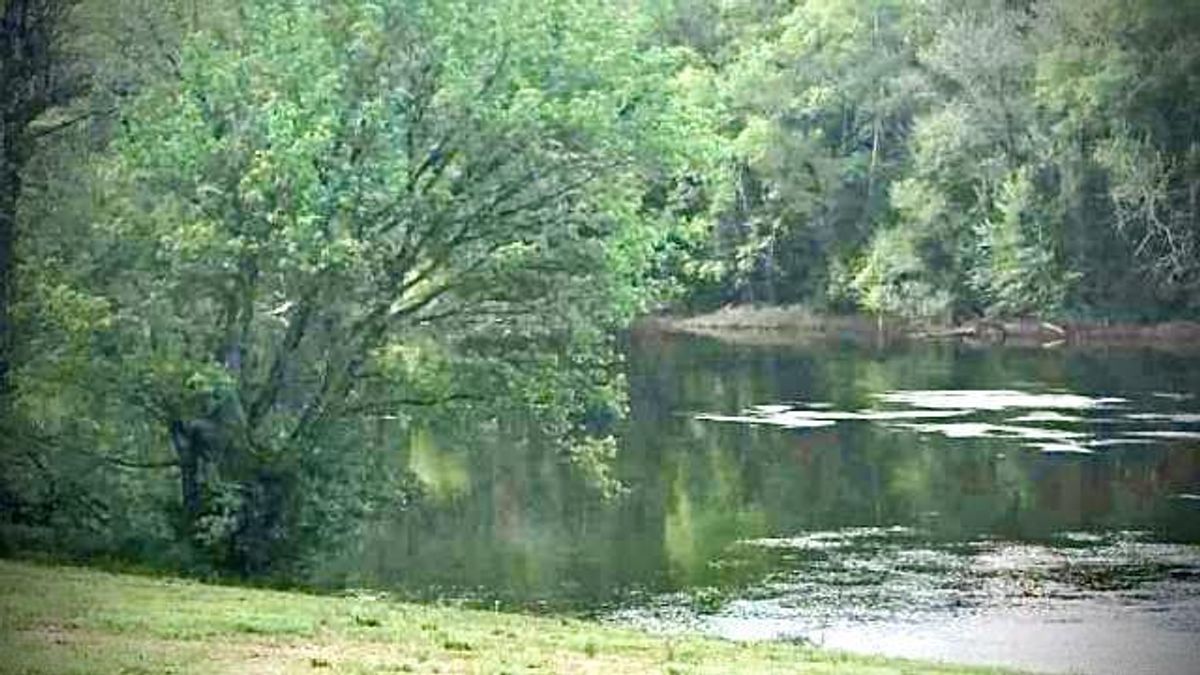
Most people would not expect Chatham County to be home for North Carolina's mermaids.
But hidden in the woods where the Haw and Deep River converge to form the mouth of the Cape Fear is a magical place known as Mermaid Point. The name has roots in a legend dating back to the 1700s, when Revolutionary War soldiers told tales of seeing beautiful mermaids sitting along a sandbar, combing their hair in the moonlight.
Other WRAL Top Stories
The myth is wrapped up in the very real history of the Revolutionary War, and an old tavern that once stood in the area now known as Moncure. Today, both the sandbar and tavern are gone – washed away, leaving no trace of the history and legend that once stood there.
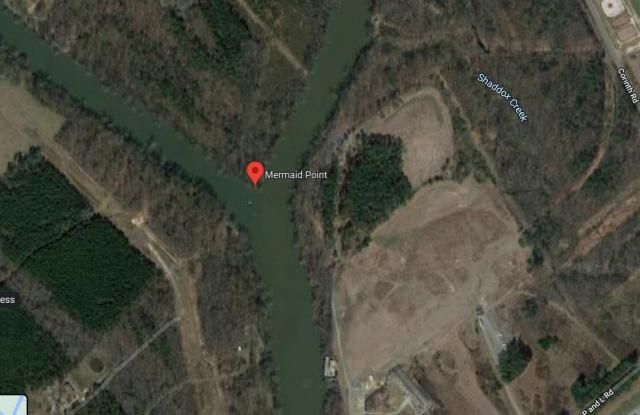
The legend of Mermaid's Point on the Cape Fear River
Many people don't realize just how many mythological legends North Carolina has – many of which date back generations: Bigfoot lives in the Uwharrie National Forest, fairies leave tiny crosses in the mountains, the Beast of Bladenboro stalks in southeastern NC and a version of the Lochness Monster lives in Lake Norman near Charlotte.
While Ramsey's Tavern is the center of whimsical tales of mermaids, it's also central to a major story from the Revolutionary War.
Ambrose Ramsey owned the tavern, as well as a nearby mill, which served the surrounding community. During the war, soldiers began to regularly visit the tavern. It was around this time that soldiers first began spreading tales of seeing mermaids along a long, gleaming sandbar that divided the Cape Fear River.
According to oral tradition, soldiers believed the mermaids had traveled up the Cape Fear in order to wash seawater from their beautiful, long hair.
It's also possible the war and British occupancy along the coastal Wilmington could have scared some of the mermaids upstream.
Sadly, Mermaid’s Point was eventually flooded, leaving the mermaids nowhere to sit above the waters. Ramsey’s Tavern met a similar fate in the early 1900’s, and the mermaid legend vanished from history.
While this legend could easily be discounted as drunk and lonely Revolutionaries telling tall tales, the origin of the legend is nearly as fascinating as the mermaids themselves.
Chatham County played a role in the Revolutionary War
Aside from being a watering hole for soldiers – who often saw the mermaids after getting 'plied with punch' – the tavern was also an important historic site for many decades.
A major turning point in the Revolutionary War happened just down the road from Ramsey's Tavern: The Battle of Guilford Courthouse. After the battle, British soldiers were on-the-run, with General Cornwallis rushing them towards the coast.
Having just lost around 25% of their forces, British troops marched right into Ramsey's Tavern -- and the nearby Ramsey's Mill -- and camped there. They had just spent multiple days burying their dead and nursing wounds, and needed a sheltered place to rest.
Cornwallis’s forces remained at Ramsey’s Mill for two days, using the tavern as a headquarters for operations.
According to the historic marker, "Troops used the rocks of the mill dam to create a bridge over the Deep River, allowing for the army to continue toward Cross Creek. They then destroyed the makeshift bridge so Greene's men could not follow."
Ramsey's Mill sat on the present site of Lockville Dam. In the early 1900s, the stone remnants of the old tavern could still be seen by the river.
Today, the mill, tavern and sandbar are all gone. A roadside historic marker is all that remains to remind North Carolinians of Ramsey’s Tavern – and no one has claimed to see mermaids in the area for a long time.