With concerns surrounding a deadly hantavirus outbreak linked to a cruise ship making headlines, UNC Health infectious disease experts say the average North Carolinian should not panic. However, they say the situation is a reminder of why hospitals and public health agencies across the country have spent years preparing for rare outbreaks before they happen.
“In North Carolina, we're actually even better prepared than a lot of other folks because we're one of 13 places across the country that have a dedicated unit at UNC that is designed specifically to care for people with emerging pathogens like hantavirus,” shared Dr. David Wohl, an infectious diseases specialist with UNC Health.
Other WRAL Top Stories
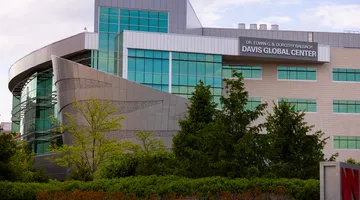
Wohl is part of UNC’s Special Pathogen Response Center (SPARC). The unit is the only designated Regional Emerging Special Pathogen Treatment Center (RESPTC) in North Carolina.
The 13 locations were created after the 2014 Ebola outbreak prompted a nationwide effort to strengthen preparedness through the National Special Pathogen System (NSPS), backed by a $21 million federal grant.
“We have been working on preparedness for our region – the south – just in case something like this happens,” Wohl explained. “It’s a safety net.”
The team of 70 active members in Chapel Hill work closely with Emory University's Serious Communicable Disease Program to lead special pathogen preparedness and response efforts in region 4, which includes: North Carolina, South Carolina, Georgia, Tennessee, Alabama, Florida, Kentucky and Mississippi.
Two Georgia residents are being monitored for hantavirus at Emory University Hospital in Atlanta, in connection with the MV Hondius outbreak involving the Andes strain. Unlike most hantaviruses, the Andes strain has been linked to rare cases of person-to-person transmission.
Wohl said if needed, UNC Hospital’s location could also be utilized to care for other cruise ship passengers or people who have been exposed.
“Anyone from across the country could go to any one of these centers,” Wohl said. “We could potentially get cases.”
The unit has trained nearly 180 medical personnel in emergency response.
Wohl shared that hantavirus “isn’t nothing,” stating that it is a “very bad infection.” At the same time, he reiterated, cases are rare in the U.S., with most reported infections occurring in the Southwest.
“If you haven't had contact with anyone on that boat, I'm not too worried about you,” said Wohl. “We’ve seen hantavirus throughout the country, but very rarely in this neck of the woods. Geography counts for a lot, so your risk here is much lower than if you’re in the Four Corners-area of the United States.”
The doctor suggested that anyone anywhere who works with rodents or in areas with rodent feces wear gloves and a mask.
If a rare pathogen, such as hantavirus, was suspected in North Carolina, Wohl said that local and state health departments would be contacted first.
He said that he and other team members routinely train for various situations that could arise from a rare case. These trainings include how to transport a patient and what protective gear medical staff should wear to prevent potential transmission.
Medical leaders of the UNC site say they haven’t had to activate the site yet, but they are constantly in contact with other systems to plan for worst-case scenarios.
“We even have been working around the World Cup and imagining various scenarios that can happen across the country and in North America, and say, ‘Well, what if there was someone from the U.S. who came in contact with someone from another place who is really sick with one of these emerging pathogens?’ Wohl shared. “There's been a lot of work on coordination. We work really closely with our state public health officials, who are tremendous.”
Hantavirus often begins with flu-like symptoms such as fatigue, fever and muscle aches before progressing to more severe breathing problems and fluid buildup in the lungs.