Tree pollen is surging across North Carolina.
Allergists said whether your symptoms have started or not, now is the time to take action.
Other WRAL Top Stories
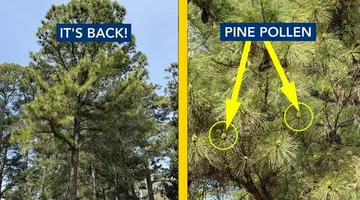
Cars, parking lots, and windowsills are covered with a lime-green film as tree pollen spikes across the Triangle. Allergy experts say pollen seasons are growing longer, and current conditions are worsened by abnormally dry conditions for months. “Tree pollen is by far the strongest pollen that we see this time of year,” said Dr. Edwin Kim, a pediatric allergy and immunology specialist at UNC Health. “We recognize all the yellow stuff, which is the pine pollen, but at the same time a lot of other trees have pollen as well: oak and birch trees. They’re all getting us right now.”
Kim’s first tip for allergy sufferers is to start at the source: Your nose.
“That's where all the symptoms start: the congestion, the runny nose, even the eye congestion, starts with things being all swollen,” Kim advised. “A lot of folks love to go to the tablets, because they're so easy, but really the nose sprays are your bread and butter.”
The allergist said medications can take a while to kick in, which is why people who usually suffer from seasonal allergies shouldn’t wait until they feel miserable to start taking their medications.
Consistently high pollen levels can trigger asthma symptoms and disrupt sleep, leading to larger problems.
“If you're not able to sort of get good rest, if you're constantly stuffy and can't breathe, it'll just make people miserable. Spring can last one-three months sometimes. It really can build up and make life miserable for a lot of folks,” Kim said.
For kids, asthma symptoms can begin around pre-K and often worsen during elementary school, Kim said.
“At that point, if it's more than just sort of the occasional cough, they really do need to work with their pediatrician or an allergist or pulmonologist to get a proper diagnosis,” Kim advised. “If you've got your rescue inhaler and you've used it a couple of times, and it's just not giving you the benefit that you expect, whether an emergency room or urgent care — whichever is closest — I do think it's going to be really important to get seen.”
The physician encouraged families to take a few steps to limit easy ways in for pollen.
For starters, fight the urge to roll down your windows and enjoy the breeze.
“As tempting as it is, don't open those windows in your house and don't open the windows on the car while you're driving,” Kim advised. “That is letting all that pollen in and it's going to be there for a while. Stick with the AC.”
No surface is immune to pollen, including your hair and clothes. Kim said hopping in the shower and rinsing off is a great way to keep from tracking pollen indoors after spending time outside.
“If you’ve just been doing some yard work or cutting the grass, you’re probably coated. The last thing you want to do is come in from outside and go straight to bed, because now you’ve just coated your bed with pollen and you’ll be sleeping in it,” Kim said.
Washing your hands often and using a saline rinse can also help flush pollen out before it causes symptoms.