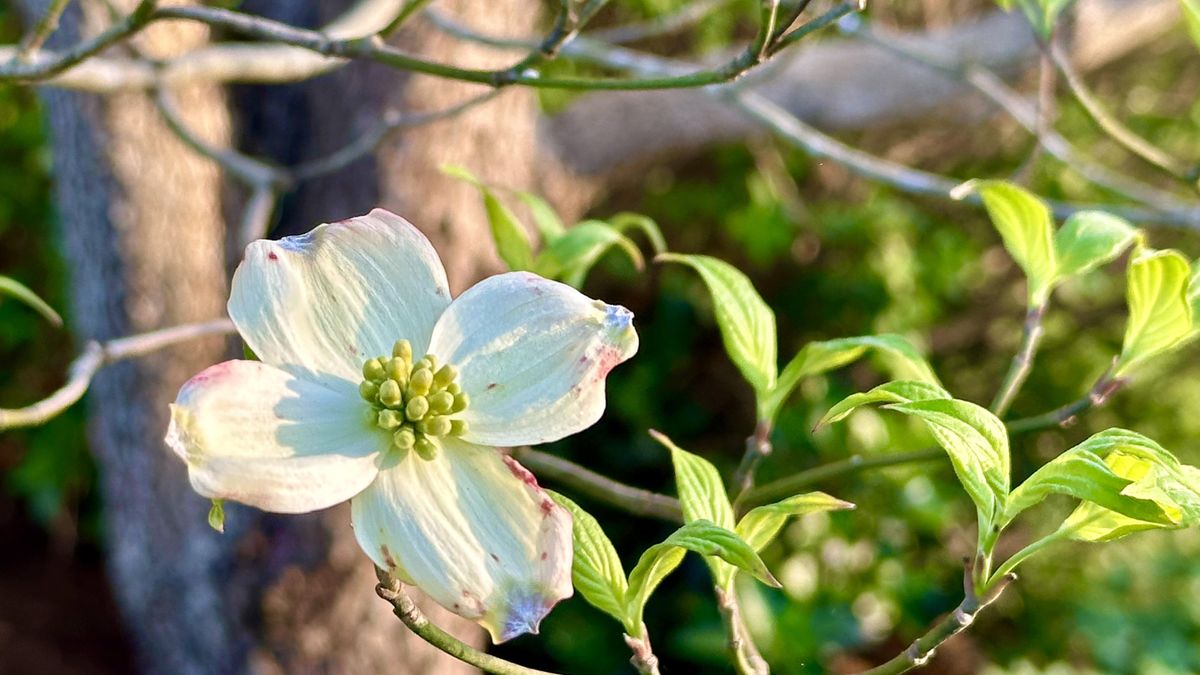
If you step into spring in North Carolina, you'll find the air buzzing with life and the delicate blooms of the North Carolina state flower, the flowering dogwood. With its soft white or pink blossoms and gentle curves, this tree transforms landscapes into a living canvas.
Beyond its beauty, though, this unassuming native carries a powerful history and a rich connection to the region, embodying resilience and grace that mirrors N.C.'s spirit. For anyone captivated by the simple beauty of nature or intrigued by the stories plants tell, the flowering dogwood holds a special appeal.
Other WRAL Top Stories
Read on to discover why N.C. chose this tree as its state symbol, what makes it so important ecologically, and how you can nurture one right in your own backyard.
Origins and significance of the North Carolina state flower
The flowering dogwood has a long history in N.C., celebrated for its unique beauty and enduring strength. Officially declared the state flower of N.C. in 1941, the tree holds a prominent place in the state's identity and reflects its connection to the natural landscape.
The decision to make the flowering dogwood the state flower was more than symbolic. It acknowledged the tree's widespread presence and appeal throughout the state, from the mountains to the coast.
Each spring, the flowering dogwood (Cornus florida) bursts into bloom, painting N.C.'s scenery with shades of white and pink that locals and visitors alike cherish. According to NC State University, these trees flourish in nearly every region of the state which makes them a familiar and beloved sight.
Beyond its aesthetic appeal, the flowering dogwood has cultural significance. For many North Carolinians, its springtime blooms signal renewal, and its branches are often seen in religious decorations, symbolizing purity and hope.
Over the years, artists and photographers have frequently captured the dogwood blossom, embedding it deeply within N.C.'s cultural heritage. Works like "Dogwood in Bloom" by Iosif Evstafevich Krachkovsky are a great example of the tree's beauty represented in art.
Botanical features and seasonal beauty
The flowering dogwood stands out for its distinct physical features that vary with the seasons. Known for its bright white or soft pink blossoms, this tree offers visual interest year-round.
In the spring, it produces clusters of small yellow flowers, each encased in four large, petal-like bracts that create the tree's iconic "blossom." These bracts, often mistaken for petals, can measure up to four inches across, giving the tree a delicate yet striking appearance.
Among the key flowering dogwood facts is its ability to bloom profusely despite its relatively modest size, usually reaching only about 30 feet in height. By summer, the tree develops glossy green leaves, providing lush foliage, while its smooth, gray bark adds a layer of texture.
As fall approaches, the flowering dogwood undergoes a transformation that highlights its beauty. The leaves transition from green to shades of red and purple, making it a colorful addition to N.C.'s autumn landscapes.
By winter, bright red berries appear on the branches, serving as a food source for local wildlife and adding color against the winter landscape.
Ideal growing conditions and habitat
Growing dogwood trees in N.C. typically requires specific conditions that mirror the state's natural environment, with moderate temperatures, sufficient rainfall, and soil that is slightly acidic and well-draining. While flowering dogwoods can adapt to different soil types, they thrive best in moist, fertile soil.
In terms of location, flowering dogwoods grow well in partially shaded areas, such as the understory of larger trees. However, they can also tolerate more sun, particularly in open spaces with adequate water.
These trees are a common sight along forest edges and open woodlands throughout N.C. They are particularly well-suited to the Piedmont region, where the climate and soil create optimal conditions. In the mountains, dogwoods can withstand cooler temperatures, while in coastal areas, they adjust to sandy soils and higher humidity.
The role of flowering dogwood in North Carolina's ecosystem
The flowering dogwood contributes significantly to N.C.'s ecosystems, supporting a variety of wildlife through each stage of its seasonal cycle. In spring, the blossoms attract pollinators like bees and butterflies, which play a vital role in the pollination process. As the season progresses, the tree's foliage provides shelter and nesting sites for birds and small animals.
During the winter months, the bright red berries become an essential food source for birds such as cardinals, bluebirds, and robins, helping them survive when other food sources are scarce.
Insects, too, benefit from the dogwood tree, particularly certain species of moths and butterflies that rely on the leaves for food. These small contributions make a significant impact on local biodiversity, illustrating the dogwood's ecological value.
Conservation and cultivation
Efforts to conserve the flowering dogwood are crucial, as the species faces certain threats that can affect its long-term survival. Diseases like dogwood anthracnose have impacted dogwood populations across the country, particularly in the Appalachian Mountains, where the cool, moist climate fosters fungal growth.
Conservation programs led by local agencies, such as the North Carolina Forest Service, focus on monitoring and protecting these trees. Homeowners can support conservation efforts by planting and caring for healthy flowering dogwoods in their own landscapes.
For those interested in growing dogwood trees, understanding the basics of tree care is essential. Flowering dogwoods should be planted in locations with well-draining soil and partial sunlight. Regular watering is necessary during dry periods, particularly for younger trees.
Applying mulch around the base helps retain moisture and protects the roots from temperature extremes. Routine inspection for signs of disease or pest damage can also help prevent issues.
A tree worth celebrating
The N.C. state flower is a symbol of the region's beauty and tenacity. From its fascinating history to its ecological contributions, the dogwood enriches N.C.'s landscapes and offers a source of pride.
Other symbols of North Carolina
State bird: Northern Cardinal is the vibrant voice of N.C.
Sweet, resilient scuppernong is the N.C. state fruit.