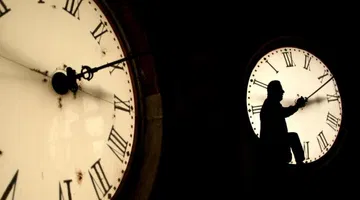
You might have gotten a little extra sleep last night, as the clocks jumped back for the end of daylight saving time.
However, a new Stanford study suggests that the centuries-long practice might do more harm than good.
Other WRAL Top Stories
“The collective loss of an hour of sleep on the second Sunday in March has been linked to more heart attacks and fatal traffic accidents in the ensuing days,” the study reads.
Stanford researchers found that permanent standard time benefits the most people.
WRAL asked viewers and readers to gather what most thinks about the time change.
“I love daylight savings when we gain an hour of sleep; I hate the fact that it gets darker a lot earlier,” Corrie Hunter said.
“As a parent, daylight savings doesn’t help you too much,” Lexy Maxwell said.
Just pushing the clocks back by one hour overnight impacts your circadian rhythm, or your ‘body clock,’ according to Dr. Mary Ellen Wells, director of neurodiagnostics and sleep science at the UNC School of Medicine.
She said it could disrupt your sleep cycle and how well you sleep.
“That can certainly shift our circadian rhythm. That’s not great for our overall health.”
“When we’re disrupting our circadian rhythm and we’re out of sync…over time, that can accumulate what’s called ‘sleep debt,’” Wells explained. “That ‘sleep debt’ has to be paid back. If not, it can accumulate to the point where we have other health effects.”
She says an ‘off’ sleep schedule could lead to health issues – from mood swings to sleep disorders like insomnia. It can also lead to even bigger problems, like diabetes, obesity, cardiovascular risks, heart attacks or strokes.
Once the clock switches, it takes time for your body to adjust.
“Everyone is affected in some way. It’s going to take a different amount of time, whether it’s a few days or a weeks or more for some people to get adjusted,” Wells said.
To help your body adjust, Wells recommends going to bed and waking up at the same time everyday, including weekends. You should also to expose yourself to bright light as early as possible in the morning.