A lot of us are worried about protecting the environment, but as consumers who rely on convenience, it's easy to feel helpless or too busy to make a difference.
The good news is it's often not too inconvenient or expensive to make small, sustainable changes to become more environmentally friendly. That's why I asked a UNC professor for some of the easiest changes we can make in our everyday lives.
Other WRAL Top Stories
Here are 10 easy changes to help protect the environment in your daily life.
1. Stop buying and gifting toys with batteries
There are so many children's toys that use batteries, but this is an easy change for parents to make. My daughter's favorite Christmas gifts last year -- a Little Tikes basketball set, a wooden Peppa Pig dollhouse and blocks -- all came without batteries. They're sturdy and well-made, so I can donate them once my daughter outgrows them.
You can go a step further and share toys with friends and family members as your kids outgrow them. The same goes for clothing, shoes, baby gear and other items all parents will need at some point. Donate to a thrift shop, ask your friends or coworkers who have kids or join a parents' group on social media if you need finding people to take your items.
2. Switch to bar soap
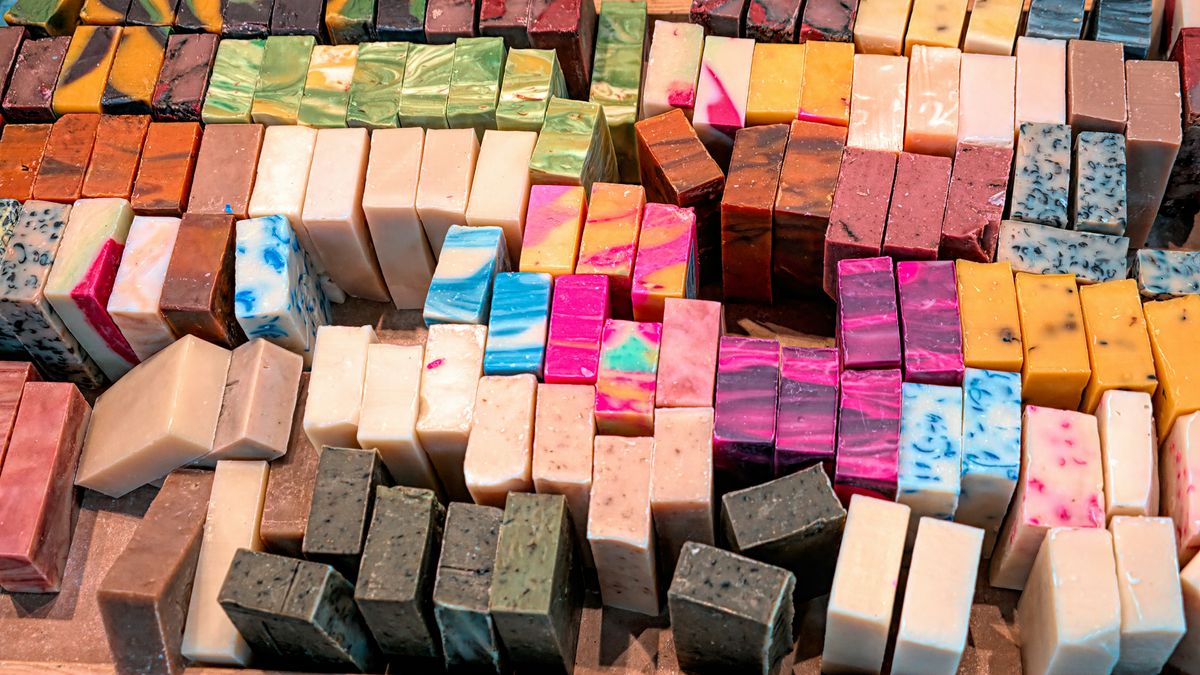
Last year I was gifted a mesh soap bag and two bars of soap, and now I am hooked! This change probably eliminates at least 12 plastic bottles from my household each year, and since you can buy scented bar soap for men, my husband has joined me in ditching the bottles! I even wash my daughter with bar soap.
The soap bags make a rich lather -- even more than a loofah -- and make your bar soap last longer. If you love using bar soap, you can use it for handwashing as well.
You can also refill soap, shampoo and other items with the help of local businesses like Fillaree in Durham and Mindful Merchant in Cary.
3. Avoid online shopping
Every time you place an Amazon Prime order or fill up an online shopping cart, it will likely take boxes, packaging, bubble wrap and a truck with diesel gas to deliver your order. Shopping in-person as much as possible is a great way to help the environment – and, as a bonus, support your local businesses!
4. Ditch takeout and food delivery
The same goes with food delivery. Instead of using Door Dash or ordering takeout, try to dine out in person, which creates less waste than disposable containers, utensils and bags.
5. Use a mug for coffee at the office
I've been doing this for years and it's one of my favorite hacks. Instead of using those paper, plastic or styrofoam cups at the office, bring your own mugs for coffee and a refillable water bottle too. Just make sure you bring a coffee mug short enough to fit under the single-serve coffee maker, if that's what you workplaces uses!
6. Collect memories, not stuff
I'm only in my thirties, but I am already aware of how much stuff we as humans collect. Some of these items are needed or loved, but a lot of them are simply excess. Try gifting experiences instead of things! Those memories will last a lifetime, and protect the earth for even longer!
My favorite "wasteless gifts":
- Take your loved one to dinner and/or a movie
- Ticket or voucher for spa, sporting event, concert or other event
- Museum membership (great for kids)
7. Invest in reusable kitchen containers
I'm on a mission to stop using plastic wrap and aluminum foil. Instead of buying Ziploc bags for leftovers or for marinating meat and vegetables, invest in reusable containers.
8. Pick up trash on the ground
If it is safe to do so, don't hesitate to pick up trash that isn't yours. I like picking up litter while on walks with my daughter because it teaches her about loving our planet. This may sound bizarre to some people, but if you're up for it, try keeping a small trash bag in the stroller -- and hand wipes in case you touch something you wish you hadn't!
9. Turn off your engine at carpool
AAA recommends drivers turn off their cars if they will be stopped for more than 60 seconds and if it is safe to do so, which could include waiting at a stoplight, in a carpool line or at a drive-thru. Many newer cars have automatic engine stop-start systems that turn off after a minute.
For every 15 minutes of idling, you can burn a quarter gallon of gas, AAA said, but a warm engine only takes around 10 seconds worth of fuel to restart. If you're sitting in the carpool for 30 minutes, that's a half a gallon.
Instead of waiting at a drive-thru, park and go inside the restaurant to order, experts recommend.
10. Save plastic bags at the grocery store
Plastic bags are bad for the environment. They're costly to recycle, so most end up in landfills, where they can take hundreds of years to biodegrade. While they slowly break down, they release toxic microplastics into the soil and groundwater and can even be ingested by animals. Some plastic bags end up in oceans, trees and waterways.
And what should you do with the collection of plastic bags you have in your kitchen pantry? Don't recycle them in your recycling bin! Instead, take them back to the grocery store. Plastic bags clog machines that recycling companies use to sort recyclables, wrapping around machine parts and shutting down the whole system.