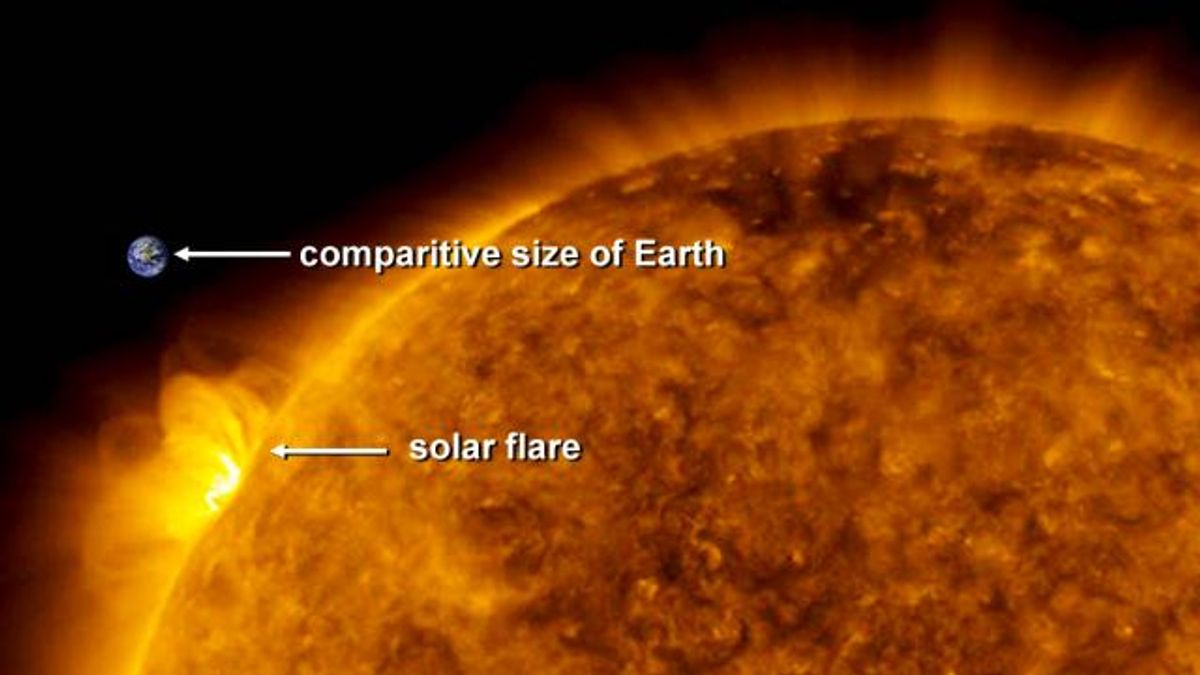
On May 29, NASA's Solar Dynamics Observatory captured a new family of sunspots produced the largest solar flare observed since since October 2017.
The flare was not strong enough to meet NOAA's Space Weather Prediction Center threshold to issue an alert. It was also pointed away from Earth and posed no threat. But scientists and space weather forecasters are keeping their eye on this new cluster of sunspots to see whether they grow or quickly disappear.
Other WRAL Top Stories
The Sun's surface has been pretty quiet recently.
As it goes through its natural 11-year cycle, the number of sunspots, and the activity they bring, ebbs and flows. The period with the most sunspots is known as solar maximum, the least, solar minimum.
Back in 2017, solar scientist predicted a solar minimum sometime in 2019 or 2020. In December 2019 that estimate was narrowed down to April 2020 (+/- 6 months).
But like a rollercoaster, you don't know that you've reached the bottom of a hill, until you start going up again consistently. This flare and the sunspots that helped produce it could be an indicator of new solar activity and even that we've reached that solar minimum.
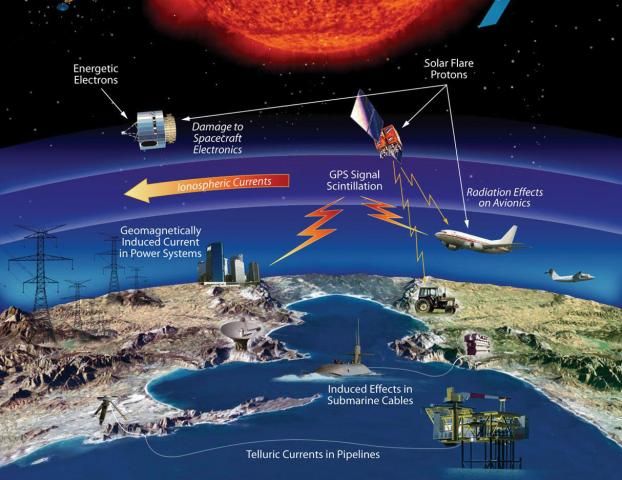
NASA and NOAA monitor solar activity to help ensure the safety of astronauts in space as well as aircraft in flight, particularly those flying over the poles.
Solar weather also affects the upper atmosphere, which expands out as charged particles from flares hit it. This increases drag on spacecraft, reducing their lifespan.
Solar weather can also disrupt radio signals from space providing everything from internet and other communications services to GPS. Effects also can be felt in power lines on the group and even in undersea cables.