When the economy tightens, most executives reach for similar tools — trim costs, focus on core products, optimize cash flow. These common strategies are useful, but incomplete. In fact, the two things that will decide whether you survive a downturn aren't anywhere in the financial model. The future of your business depends on your people and your culture.
Yet in too many organizations, ineffective leadership fails to nurture these critical factors. Existing problems erupt under economic pressure, when leaders need their teams to be most resilient.
Other WRAL Top Stories
Last month, a board member I work with walked his leadership team through a sobering set of numbers — rising costs, slowing demand, tightening credit, a competitive landscape that had shifted faster than anyone had expected. He'd spent two hours building the case for a strategic pivot: the data, the analysis and a clear recommendation. His top performers sat in silence the whole time. No pushback, no alternatives, no friction. He called me the next morning and said the meeting had gone well.
But it hadn't gone well. It had gone quiet, and those are not the same thing.
Silence isn't safety: Why quiet teams underperform
The organizations that perform through downturns are the ones where a frontline manager feels safe enough to surface and solve a client's problem, where a finance director flags a projection that doesn't add up, where the team closest to the customer can speak freely to the executives making the decisions. These powerful feedback loops don't exist where people have learned that honesty carries risk.
Psychological safety studies link lower safety with higher levels of employee silence, while teams with stronger safety surface issues earlier and exchange more constructive feedback — conditions closely tied to better decisions and fewer mistakes. Psychological safety also helps prevent burnout and staff turnover during uncertainty and turmoil.
In a study that followed healthcare workers during the height of the pandemic, Harvard researchers found that when workers felt safe to speak freely, they were better able to cope with stress. “Many organizations have crisis management plans, but say less about establishing social resources, like psychological safety, during difficult times,” says Michaela Kerrissey, co-author of the study.
How psychological safety erodes under pressure
Understanding why psychological safety matters is only half the battle. The real challenge is that it disappears precisely when you need it most.
Most executives underestimate how fast psychological safety erodes in tough times. The behaviors that signal safety — consistent feedback, visible accountability, genuine curiosity from the top — get crowded out when pressure climbs. Leaders get busier, communication is less frequent and decision-making becomes less collaborative. Employees sense that their input isn’t as welcome, and they adjust what they're willing to say. Many simply stop speaking. They stop offering ideas. They stop flagging risks. The feedback loops that protect organizations during uncertainty shut down.
After several exits, decades on boards and my current work as Managing Director of the Center for Organizational Effectiveness at Workplace Options, I've watched the same sequence across organizations of every size: when people feel unsupported, performance declines, stress builds, turnover increases and trust fades. This sequence doesn't begin with a market shift. Financial pressure just makes the problems visible.
Cultivate psychological safety; your business depends on it
During economic uncertainty, these practices become non-negotiable. Here's how to protect psychological safety when pressure climbs:
1. Communicate authentically. Your team needs to see that you feel many of the same emotions that they do, you don’t have all the answers, and you need their perspective and feedback to succeed. When potential challenges are identified, team members can support each other, solve the problem and accomplish their common goals faster and more efficiently.
2. Cultivate a feedback culture. Create an environment where open communication is expected and safe. Structure meetings to surface risk by asking what might fail, what feels unclear and what assumptions need testing.
3. Set an example. How leaders react matters more than what they say. When concerns are raised, respond with curiosity, not defensiveness. Thank people for their feedback and follow up afterward. Show what changed because someone spoke up.
4. Invest in wellbeing. By prioritizing health and appropriate work-life integration, you give employees the tools to reduce stress and avoid burnout. When team members share their challenges, provide workplace flexibility where possible, and share employee assistance program (EAP) resources.
Build your reserve now
The 2026 COE Psychological Safety Study identifies work-life balance as the top workplace concern globally in 2026. Employees aren't in crisis yet, but they're watching closely to see whether the honesty and stability they need will be there when conditions harden. Read that signal now and you're building a reserve that performs when pressure peaks. Miss it and you'll find the gap at exactly the wrong moment.
Psychological safety is not a fair-weather initiative. It's the operating condition that determines whether your organization's full capability is available when the economy demands it — and whether the people you've invested in over years are still in the building when you need them. Economic pressure doesn't create these problems. It reveals them. The leaders who protected that condition through pressure will have organizations worth leading on the other side. The ones who eroded it will spend the recovery wondering why their best people left and the rest stopped talking.
About the Author
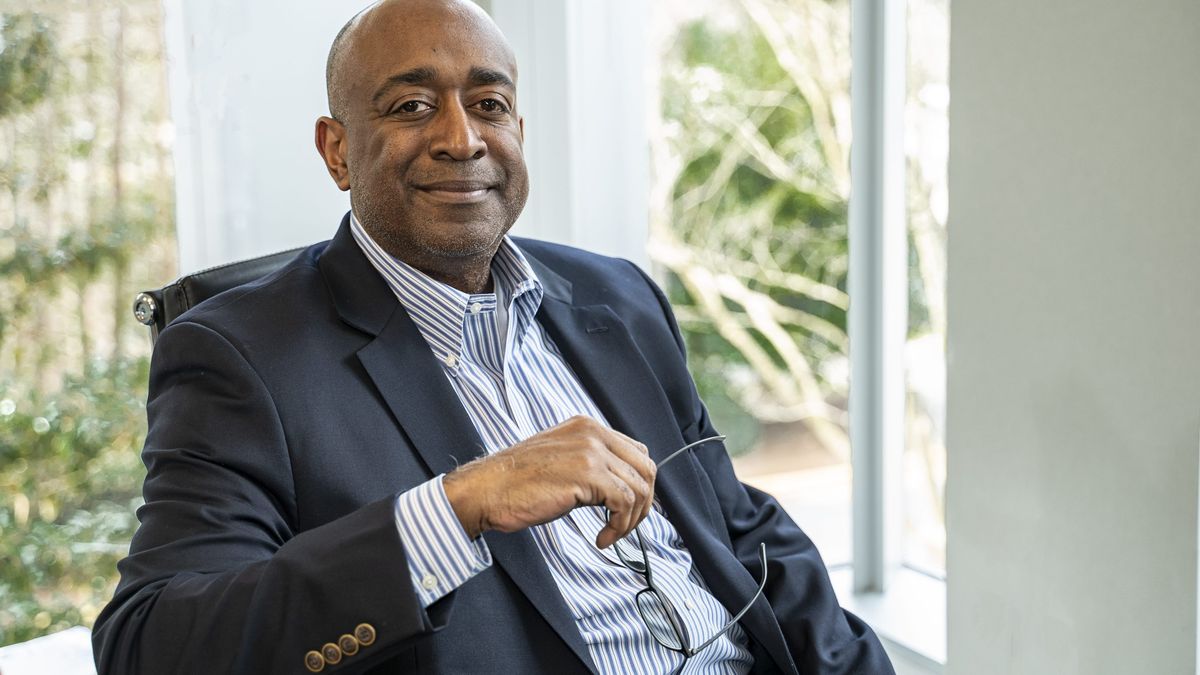
Donald Thompson is Managing Director of the Workplace Options Center for Organizational Effectiveness, host of the High Octane Leadership podcast, and author of The Employee Engagement Handbook.