Your employees are dealing with an incredible amount of uncertainty right now. From ongoing conflicts overseas and devastating natural disasters here at home to political tensions and economic stress, the world seems off its axis. If you don’t provide the stability to help your team navigate the chaos, their distraction can undermine productivity and threaten your organization’s bottom line. Senior leaders have a responsibility to support their employees with consistency, clarity and compassion. By doing so, you can cultivate a resilient workforce that can easily pivot and adapt to the ever-changing business climate.
If we look at the problem from a financial standpoint, the uncertainty and unease our employees feel negatively impacts their productivity. Consider the time and mental energy wasted on worry and doubt. And when employees feel their leaders don’t care about them personally or support their well-being, their ability to accomplish quality work suffers even more. In times of upheaval, people tend to focus on worst case scenarios — on the things they can’t control. It’s infinitely better – and less risky – for organizations to help employees stay mindful of the outcomes they can control.
Other WRAL Top Stories
A year ago my own team went through a turbulent transition, when The Diversity Movement (TDM) was bought by Workplace Options. The sale was a smart move for both organizations, but our excitement didn’t mean there weren’t challenges. My team of 20 people had to integrate into a global team with thousands of employees. We moved to a new office space, where we didn’t interact as closely as we had for the past three years. The structure of our day-to-day operations had to shift as well, adapting to different cultural norms and new reporting structures. Our mission hadn’t changed, but how we delivered against that mission altered significantly.
Any merger or acquisition can create a lot of emotions for a company’s employees, and the TDM staff was no different. To steer our company through the transition, I had to be compassionate and remember that it would take time for everyone to adjust. But, most importantly, I had to clearly and consistently communicate why we were becoming part of WPO and why it was necessary for the financial stability of the company and its employees.
My colleagues and I launched TDM with the audacious goal of improving people’s lives through culture change and diversity-led programming. But, in the face of increasingly divisive attacks on diversity, equity and inclusion (DEI), we as a company opted to pivot, so we could stay focused on helping our clients build more competitive, sustainable and innovative organizations. Becoming part of a larger company would enable us to reach people around the world and continue to help leaders cultivate healthy, inclusive workplaces where all employees can do their best work.
By being transparent about the reasons behind the decision, our leadership team was able to help everyone stay focused and productive. We were heading toward a solid and exciting future, but we were seeking a more stable foundation to withstand the backlash around DEI. Our fundamental mission as a team had not changed. Another important factor was the strong relationships that connected the entire TDM team. Knowing that we could trust and depend on each other helped our team successfully navigate the transition.
Relationships between leaders and their teams are a dynamic partnership, and any sort of upheaval can test those bonds. When senior leaders provide compassion, clarity and consistency, they reinforce those connections. Employees are less likely to be distracted by fear and uncertainty—and leaders can trust that the entire staff is focused on solutions.
Leaders foster connections in times of chaos
Cultivating relationships should be an ongoing priority for leaders. However, there are a few key strategies leaders can put into place to maintain connections with their team members during difficult situations:
Consistency: make communication a priority. In chaotic times, one of the most important things we can do for our teams is to be consistent with our communications. Be intentional about checking in with people, and be patient with their questions. Stop by their desks and say hello. Drop into meetings. Increase the amount of communication you have with your remote team members by video chats and instant messaging platforms. Prioritizing consistent communication will result in a team that feels valued.
Compassion: be authentic and involved. If your team members know you genuinely care, they will be more likely to come to you with concerns, fears or problems. Check in more often, but talk about more than the state of the business. See how you can support your team in difficult situations, and pay attention to their well-being. Ask them how they are, what they need, or what they’re challenged by.
Clarity: stay focused on the company’s mission. People need clarity in times of uncertainty. Keep your team aligned to your company’s mission and the objectives you aim to achieve. Though there may be elements of life that are out of their control, help them stay focused on what they can achieve in service of your organization’s goals.
The world is a chaotic place right now, and authentic connections can help employees and team leaders alike navigate the uncertainty. Workers know they can depend on their executives, and leaders feel less alone in driving the outcomes the company needs to deliver. A resilient culture is made through genuine, dynamic partnerships built on consistency, clarity and compassion. We’re all in it together, and together, we can weather the storm better than we ever could by ourselves.
About the Author
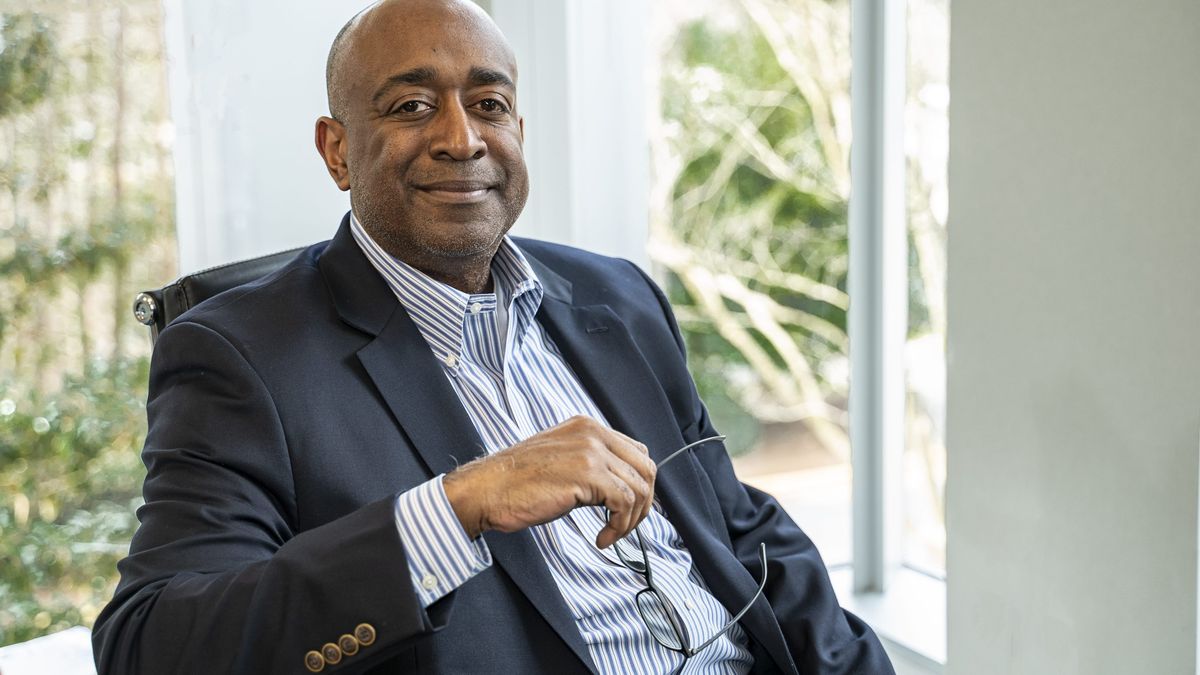
Donald Thompson, EY Entrepreneur Of The Year® 2023 SE Award-winner, founded The Diversity Movement, a Workplace Options Company, to fundamentally transform the modern workplace through diversity-led culture change. Recognized by Inc., Fast Company and Forbes, Thompson is author of Underestimated: A CEO’s Unlikely Path to Success, hosts the podcast “High Octane Leadership in an Empathetic World” and has published widely on leadership and the executive mindset. His new book is The Inclusive Leadership Handbook: Balancing People and Performance for Sustainable Growth, co-authored with Kurt Merriweather, Vice President of Marketing and Innovation at The Diversity Movement. Follow Thompson on LinkedIn for updates on news, events and his podcast, or contact him at info@donaldthompson.com for executive coaching, speaking engagements or DEI-related content.