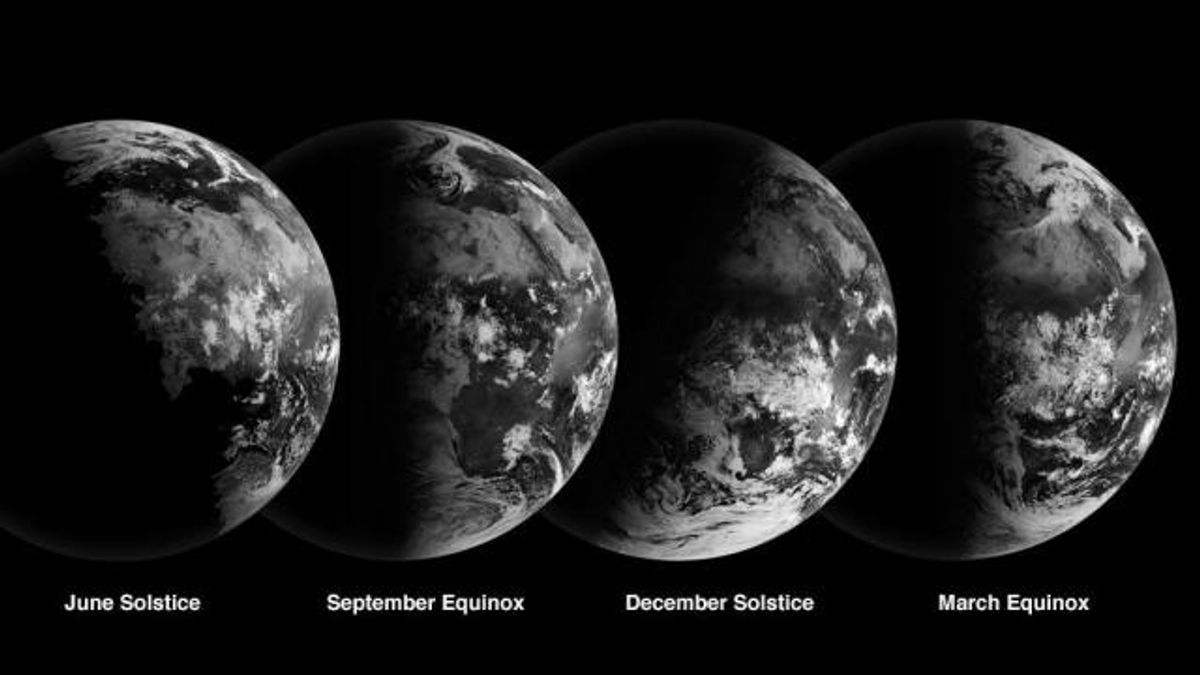
The September equinox occurs on Saturday at 9:54 p.m., marking the beginning of astronomical autumn in the northern hemisphere and spring in the southern hemisphere. The September equinox occurs the instant the Sun crosses the celestial equator, the imaginary line in the sky that extends out from Earth’s equator.
On this day, the amount of daylight and night hours are roughly the same. The sun also rises nearly due east and sets nearly due west. If you are out at sunrise or sunset, it's a good time to note that tree, house, or street light that marks due east or due west from your front door.
While the equinox varies from year to year, falling on September 22, 23 or 24, meteorologists use a simpler definition for the beginning of each season. Meteorological seasons begin the first day of the months that include the equinoxes and solstices.
Other WRAL Top Stories
Australia and New Zealand along with Ireland use the meteorological definition of the beginning of each season. This segments the seasons into easy to calculate segments that make for easier climate records too.
Ireland uses a similar method, shifted a month earlier to account for their climate. Fomhar (autumn or harvest in Gaelic) began August 1. In Irish Gaelic, September is Mean Fomhair or mid-harvest. October is Deireadh Fómhair or harvest’s end.
Finland and Sweden look to the thermometer to begin their seasons. Autumn begins once the average temperature drops below 50 degrees Fahrenheit (10 degrees Celsius). Winter begins when the average temperature falls below freezing, and spring returns once temperatures rise above freezing again.
There are many traditions observed on the first day of autumn. The autumnal equinox is a public holiday in Japan. Beginning three days before the equinox, Buddhists observe Higan which means other bank of the river. During Higan, Buddhists reflect on themselves and their ancestors. Many visit the family graves and tidy them up. In Hangzhou, China, people eat a peach, saving the pit to burn on the eve of spring. They also get “autumn fat” or “flesh out,” gaining back whatever weight was lost over the summer months ahead of a cold winter.