EDITOR'S NOTE: Katharine Kollins is president of the Southeastern Wind Coalition that works a broad coalition of stakeholders to promote land-based, offshore, and imported wind power.
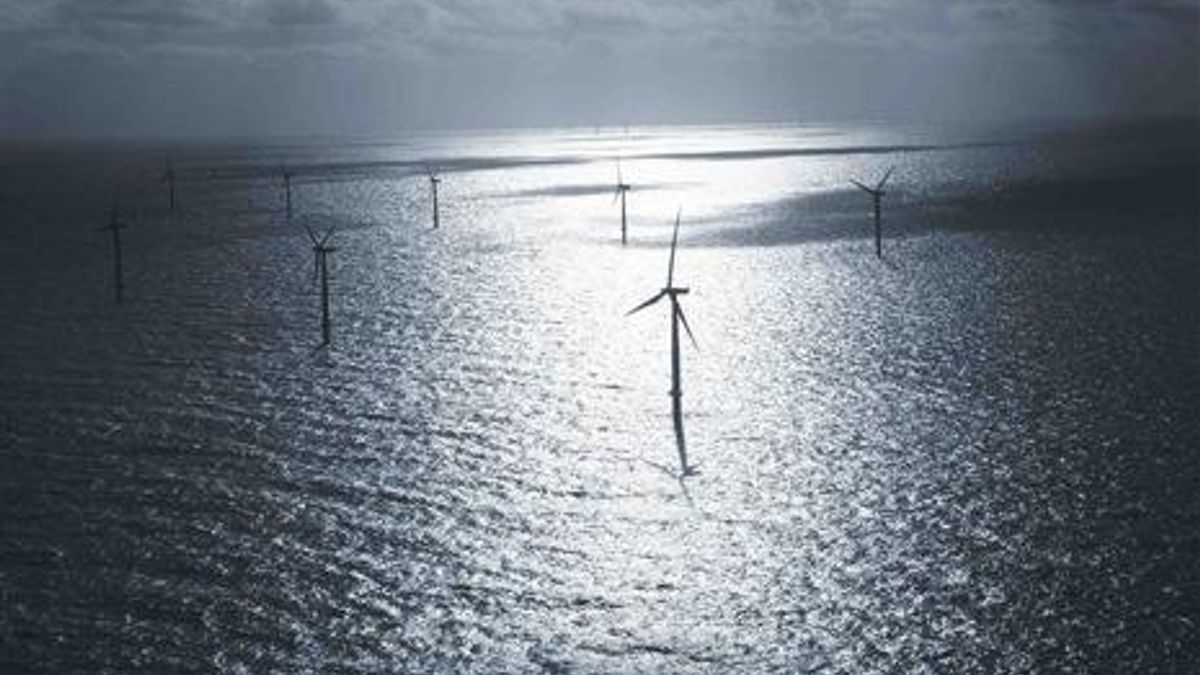
While the path to offshore wind development in North Carolina is not without challenges, the needle is moving in the right direction. The North Carolina Utilities Commission has directed Duke Energy to take reasonable steps towards the development of offshore wind.
Other WRAL Top Stories
This directive represents a major milestone for offshore wind and demonstrates the commission’s understanding of wind’s potential role as an economically viable resource option for our state.
While utility models show that offshore wind could play a critical role in a least-cost pathway to achieving the state’s carbon reduction goals, we still need clarification on acquisition structures, risk allocation, and pricing mechanisms to proceed.
The wind energy developer community, industry leaders, and clean energy advocates are now looking to Duke Energy as they initiate an "Acquisition Request for Information" for offshore wind. The request for information will help inform the development of offshore wind projects off the North Carolina coast, establish a reference price for offshore wind, and create channels for the utility to engage with developers.
The information collected will lead to a subsequent "Request for Proposal," so long as offshore wind is determined to be in the least-cost resource mix. While a number of steps remain before a request for proposal is issued, momentum is building to align North Carolina’s energy strategy and position offshore wind as a foundational pillar of the state's energy infrastructure and economy.
Time is of the essence, especially for long-lead time resources such as offshore wind. Duke Energy must move with urgency to meet rapidly growing energy demand and capture the economic opportunity associated with offshore wind.
Our neighbors to the North in Virginia are just beginning to tap into that economic opportunity as Dominion Energy constructs the Coastal Virginia Offshore Wind project. During its construction phase, the Virginia wind project will generate approximately $143 million in economic output, contribute $5 million in state and local tax revenue and support 900 jobs annually -- the majority of which are local to Hampton Roads, Virginia.
North Carolina can benefit from the valuable lessons learned from the Virginia project, leveraging this knowledge to attract similar economic investments to our state.
In the coming months, developers and stakeholders will need to work closely with Duke to ensure that the offshore wind reference price is fair, competitive and reflects the true costs of offshore wind development.
The success of offshore wind in North Carolina will largely depend on how effectively these pieces come together and state-level actions and local support will remain crucial for continued progress.
With the right approach, the state can achieve its carbon reduction goals, strengthen its energy grid, create jobs, and take advantage of a zero-cost fuel that is free from the volatility of global energy prices.
Capitol Broadcasting Company's Opinion Section seeks a broad range of comments and letters to the editor. Our Comments beside each opinion column offer the opportunity to engage in a dialogue about this article. In addition, we invite you to write a letter to the editor about this or any other opinion articles. Here are some tips on submissions >>SUBMIT A LETTER TO THE EDITOR