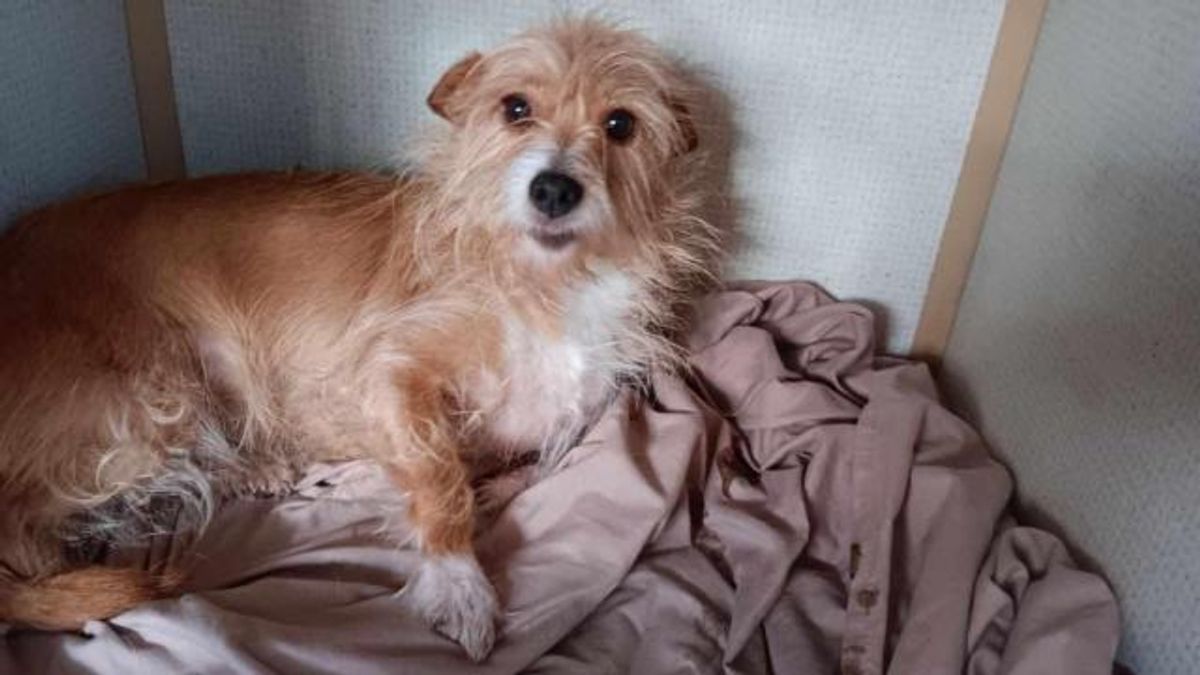
An owner surrendered nearly 50 animals to a rescue group, highlighting the need for policy changes and more resources in North Carolina.
Amber Smith and Rebecca Zelanko are both directors at Second Chance Ranch Rescue and Sanctuary, a foster-based nonprofit in the Fort Liberty and Sandhills area.
Other WRAL Top Stories
"In March of this year, we made contact with an elderly owner who was in declining health and in need of relinquishing almost 50 animals," the rescue group told WRAL News.
Smith said the owner told them she was no longer able to care for the animals on her property. The rescue group has spent nearly a year getting all the animals off the property.
"At the time, we didn't realize quite how many she had," Zelanko said. "This particular case is a matter of someone thinking that they were being helpful in taking in animals that people were rehoming or picking up strays and giving them a place to live. And it kind of snowballed into a situation that was not manageable."
The rescue group has been able to help 33 dogs, three pigs, a horse, a donkey and a cat. Since the rescue group is entirely foster-based, it relies on the support of volunteers to help with this massive undertaking.
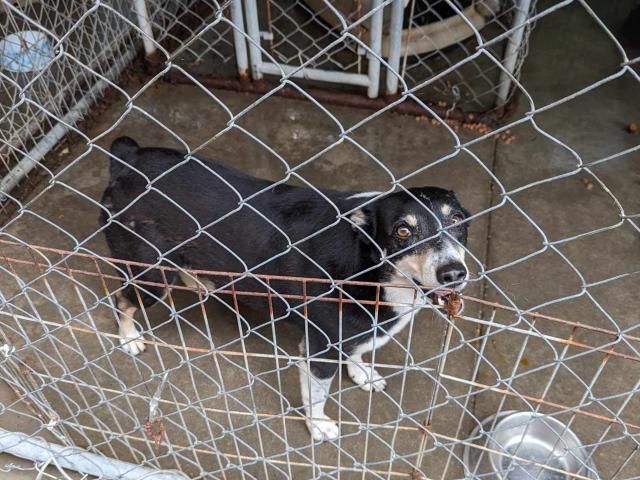
"Unfortunately, most of these dogs have lived in 10x10 (or smaller) kennels their whole lives and will need some decompression along with consistent handling and care," the rescue group told WRAL News.
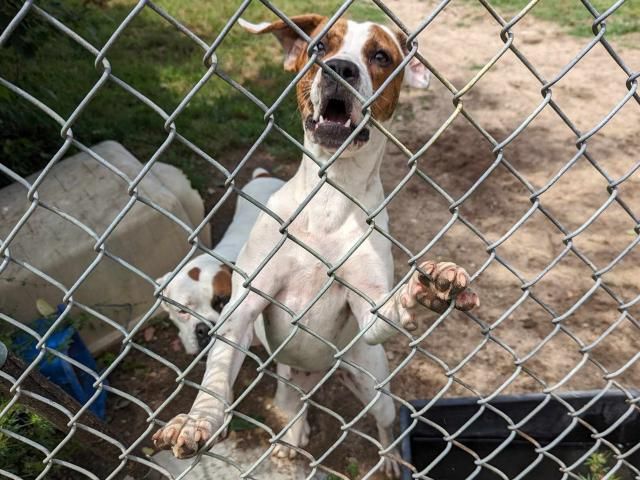
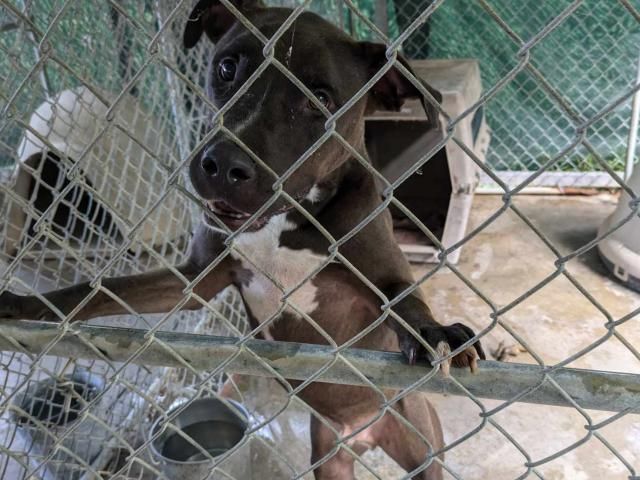
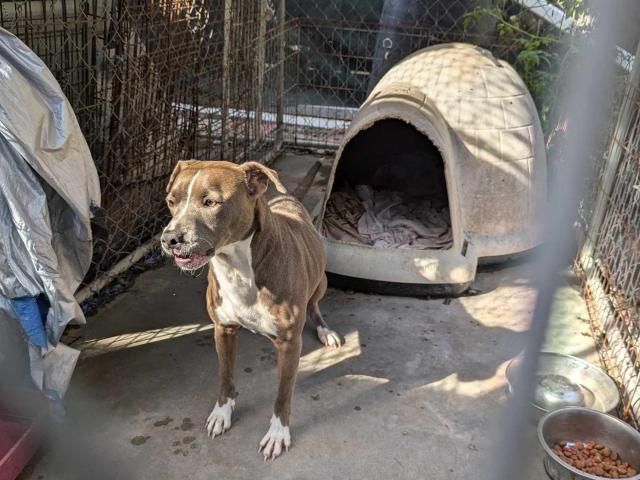
Smith said they've been working with volunteers and other rescue groups to take in all of these animals.
The rescue group currently has 16 animals in foster homes – five of which were surrendered by this one owner – and an additional nine animals have also been surrendered from the same property.
They're currently trying to make room for those animals.
"The remaining nine on the property have already been surrendered to us; we're just trying to make room for them," Zelanko said.
'There's no shame in asking for help'
Smith said it's important to look at these situations with compassion.
"One big thing to note here about situations like this, it's very easy for the public to look onto these situations and demonize the owners," she said. "Really what gets us into situations like this is love for the animals and just getting in too deep and too far over our heads."
"The biggest thing is, most people in rescue are compassionate – not just towards animals but towards people. So, we are understanding of the situation. We're willing to break down our own personal biases to handle everyone on a case-by-case basis and treat owners with respect."
If you are no longer able to care for an animal, Zelanko said there's no shame in asking for help.
"There are resources out there," she said. "There's no shame in asking for help. We all need help at some point."
"If it is a case where the animal is truly not the best fit or in a good situation in your family, it is okay to find them another home. That's also not something that people should be ashamed of."
'We're talking about a very systemic issue'
Smith said this case also highlights a need for policy changes in North Carolina.
"I think when we look at this problem as a whole, especially in North Carolina, we're talking about a very systemic issue here," Smith said. "A lot of policy changes are in need to really get this problem under control."
She said it comes down to what local county facilities are capable of taking on.
"This case plays into that because I think that, essentially, this was an owner who was trying to be helpful and getting a lot of stray animals off the streets," Smith said. "If the counties were given the resources to be able to handle the problem properly, it wouldn't necessarily be falling into private hands."
The duo said a lack of effective policies puts the burden on nonprofits.
"We've essentially ceased operations as we normally do them to fully assist with this case," Smith said. "We're pretty small; I would say last year we adopted out 20 dogs and around 20 cats. So we've essentially doubled our efforts this year, and we really need to get the story out there so that we can help these animals."
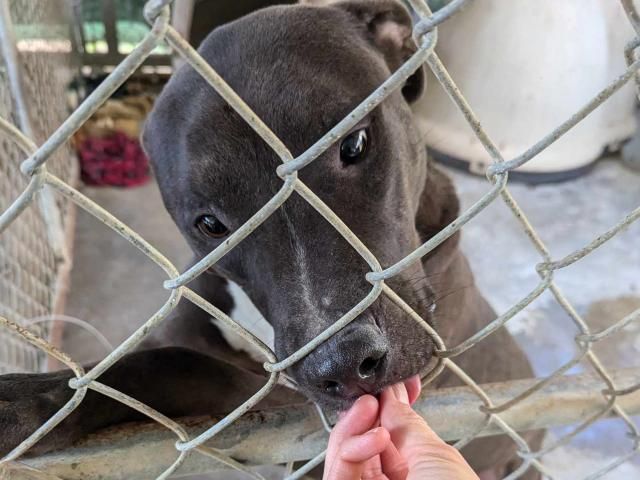
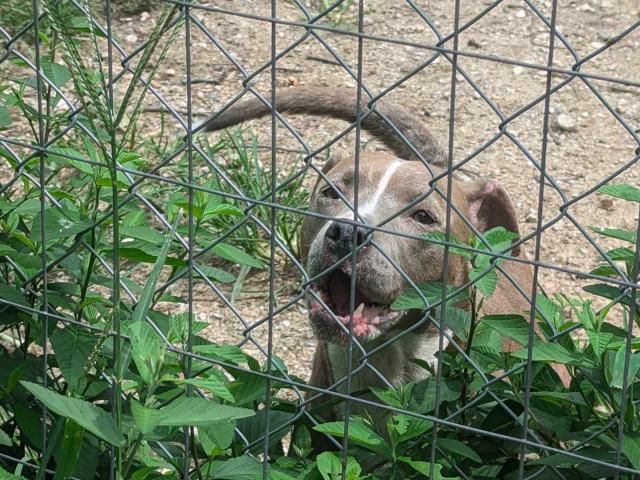
The rescue group said they are in need of donors to help cover medical expenses. The animals they've rescued have a vast array of disabilities and medical needs – including tumor removal surgeries, heartworm treatments and a dog with spina bifida.
"We're looking at a lot more heartworm treatment in our future," Smith said.
Zelanko said heartworm treatment can range anywhere from $600 to $800 and requires a few months of treatment to remedy.
The duo said several animals are in need of medical boarding, which costs around $5,000 per month. And that doesn't include medical care costs.
"Our immediate goal for them is to remove them from the property and get them into medical boarding," Smith said. "We are going to need a lot of financial help with that."
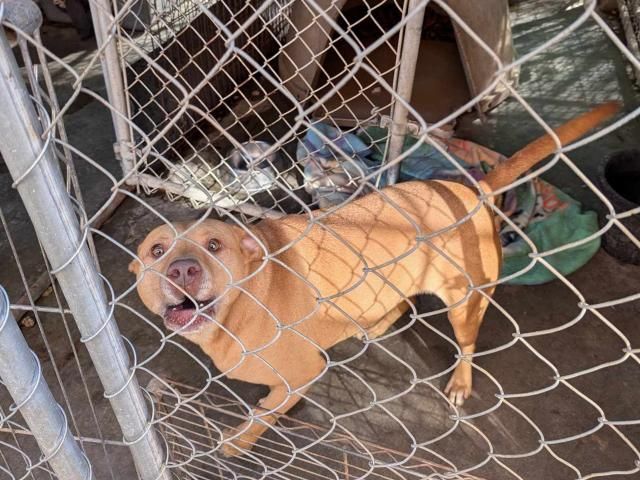
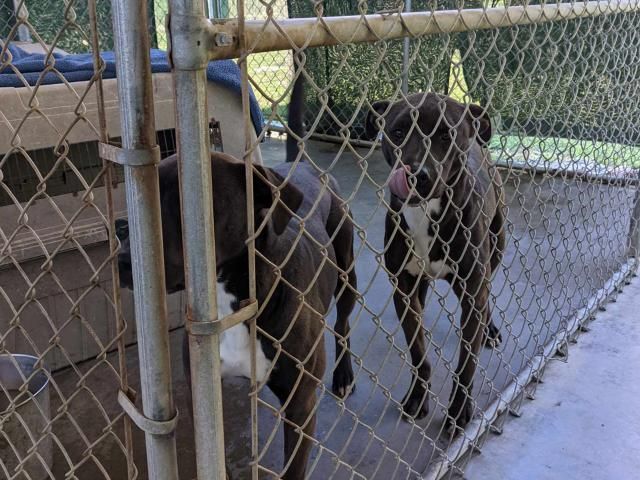
Those interested in helping can find out more below.
To donate to Second Chance, go to:
- PayPal:PayPal.com
- Venmo: @SecondChanceRanch-Rescue (9744)
- Zelle: Secondchanceranchnc@gmail.com
The rescue is also running a GoFundMe campaign specifically for these dogs. Those interested in donating can visit GoFundMe.com. For more information about how to donate, go to Second Chance Ranch Rescue and Sanctuary's website.
If you'd like to send a check, you can email secondchanceranchnc@gmail.com and ask for the P.O. Box address.
The duo said they're also looking for fosters in the Fort Liberty and Sandhills area. Anyone who's interested in fostering or foster-to-adopt can contact the rescue group at secondchanceranchnc@gmail.com.
If you'd like to donate supplies or food, you can reach out to the rescue group on Facebook or email secondchanceranchnc@gmail.com to coordinate a donation drop-off.
The duo said they're more than happy to network some of these dogs out. Any rescue groups interested in helping can also reach out via Facebook or email.
Get help
Here are some resources for pet owners:
- Are you having trouble affording your pet?
- Resources for pet owners in NC
- SpayUSA
- United Spay Alliance
- Rehoming your pet
You can find additional resources for pet owners on WRAL.com. For local resources, go to your county government's website.