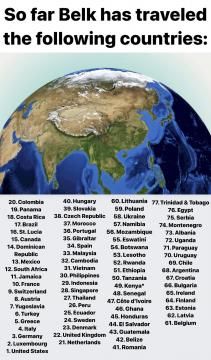
Born and raised in Durham, Charles Belk had his life turned upside down when he was falsely arrested for armed bank robbery. This experience gave him a new perspective on the world, and he decided to spend his life advocating for those falsely arrested and helping others in need. He also set a goal to travel to 100 countries – he’s already been to 77 – to experience the diverse cultures and ways of life across the globe.
On Aug. 22, 2014, Beverly Hill Police wrongfully arrested and charged Belk with armed bank robbery and accessory to armed robbery. He was handcuffed, detained, taken to the police station, booked, and denied a phone call, access to an attorney, and knowledge of his charges. Belk was also held in jail for six hours on $100,000 bail because he was mistakenly identified as fitting the suspect's description.
Other WRAL Top Stories
"I was wrongfully arrested; they mistakenly identified me as a tall Black man involved in a bank robbery," Belk said. "That experience left me in jail for about 6 hours."
Belk, who has an MBA from Indiana University and an executive management certificate from Harvard Business School, recalls the incident happened on the same weekend as the Emmy Awards and the funeral for Michael Brown in Ferguson, Missouri.
"That was all over the news, so in my mind, I wanted to comply because being wrongfully arrested, I didn't want to end up being shot dead in the street," Belk said.
This experience was a pivotal moment in Belk's life. He didn't know what to do next but knew he had to act.
"I was set into what I was doing in L.A.; I had a decent career with a good environment in the entertainment industry, so that incident completely changed the direction of my life," Belk said.
After the incident, Belk left Los Angeles and traveled up and down the East Coast and Midwest to advocate for the wrongfully accused and meet with legislators.
"I started advocating for AutoErasure, which says that if you were wrongfully arrested for mistaken identity, then the arresting agency has to take care of your record for you," Belk said. "That legislation is now in 30 states."
After advocating for the wrongfully accused and working on the Hillary Clinton campaign in Durham, he traveled to Costa Rica for two months in November 2016 and started writing his memoirs about his wrongful arrest.
"Costa Rica was the first place I went to for two months, did some writing in the mountains and the jungles and when I came back, I didn't have a plan B," Belk said. "So I decided to continue traveling and writing; I went from Panama to Colombia."
World travel as education
In May 2016, Belk found 20 places to retire on $200,000 for 30 years. By 2017, he had caught the travel bug and embarked on a quest to visit 100 countries. Since then, he has visited 77. Traveling to diverse places like South Africa, Jamaica, France and Switzerland has helped him learn more about himself and his capabilities.
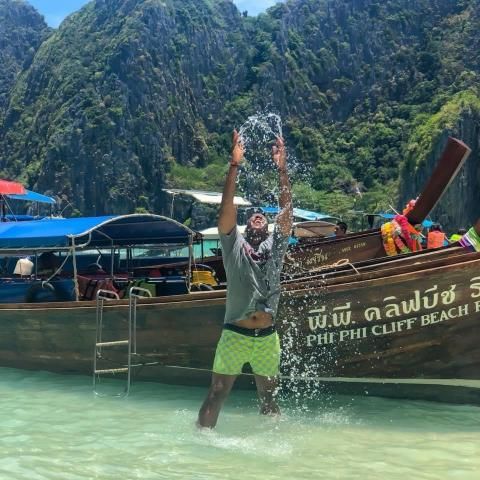
"I have been to 14 countries in Africa, and it amazes me that I get to interact with folks," Belk said. "I always believed I was placed on this earth to give back and to mentor. Especially with young Black males, I go by the philosophy: Each one, teach one.
While traveling, Belk has made a real difference in people's lives. He changed lives for the better and inspired others to do the same. It's more than just traveling for Belk; it's also about giving back.
"I had the opportunity to meet a young 19-year-old kid, an artist, in Nairobi, Kenya, who is from the Nairobi slums," Belk said. “I have also helped him in several ways and others from different countries."
Belk's travels to other countries have taught him a lot, especially his stay in a mountain village in Lesotho, Southern Africa, where the people had learned to live without running water or electricity.
"They never had water or electricity but never complained," Belk said. "They simply made do with what they had, finding water and cooking their food over an open fire."
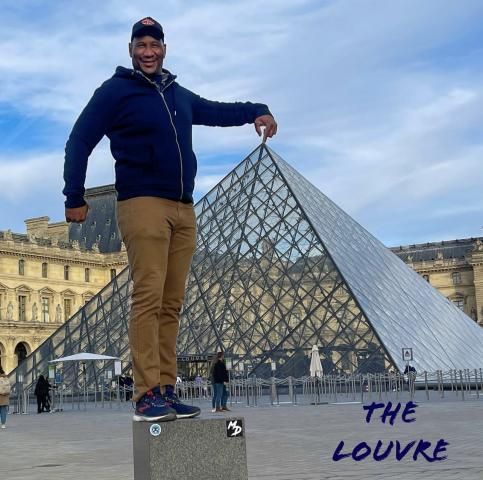
Belk believes that traveling helps us understand the challenges and resilience of people in other countries. He met a 26-year-old in Lesotho who wanted to be a graphic designer. Despite not having high-speed internet, a resource many people take for granted, the young man persevered. Belk hired the young man for projects and helped him find other job opportunities.
Belk says he has met many people worldwide who don't have much. He also helped a kid in Malaysia by giving him resources to help him further his education.
Belk has been to 77 countries; he says the United States is one of the best.
"I have seen places that I love and don't like as much," Belk said. "I have seen places where I could live for the rest of my life, but I can honestly say that the United States is one of the best countries in the world. There are so many things here that you can't find anywhere else."
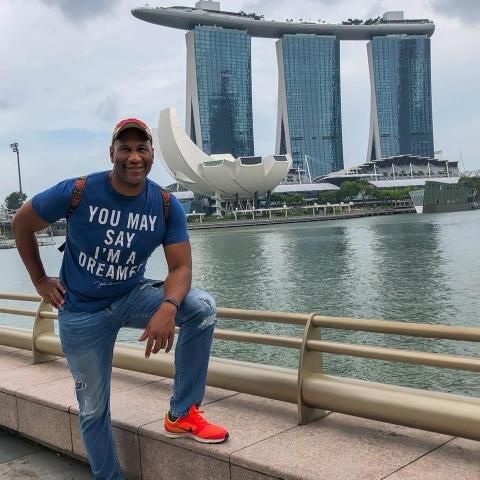
Belks says that he has seen many beautiful places, eaten the most exotic foods and met people from all walks of life, which he considers an honor. He has much more planned for the future and will continue his traveling mission to reach his goal of 100 countries and advocate for those wrongfully arrested.
"I say all the time that without the incident that happened to me in California, it was not the best moment of my life, but things I have seen come out of the situation have truly been God's will, God's way for me," Belk said. "There were 15 or 16 laws established due to my situation."
William V. Bell, then-mayor of Durham, proclaimed March 10, 2016, as 'Charles Belk and Justified AutoErasure Day' in Durham, encouraging all citizens to recognize and appreciate the protection of the good name of innocent people.
There are several reasons why AutoErasure legislation is important. One reason is it can help protect the privacy of individuals, especially those involved in the criminal justice system. Arrest records, even if expunged, can negatively impact a person's life, making it difficult to get a job, housing or even open a bank account. AutoErasure legislation can help to reduce this stigma and give people a second chance.
Belk says he loves traveling the world but there is no place like Durham.
"Durham will always be home," Belk said.
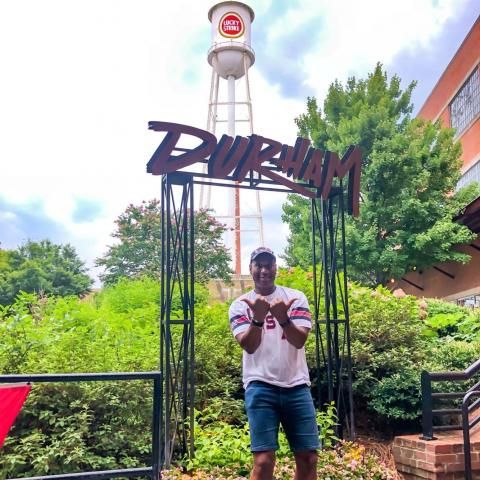
Here are Belk’s tips for traveling the world:
- Plan your budget. Traveling can be expensive, so having a budget in mind is important before you go. This will help you decide where to go, what to do and how much money to spend.
- Research your destination. Once you know where you want to go, take some time to research the area. This includes learning about the climate, the culture and the attractions. It's also a good idea to read travel blogs and reviews from other travelers.
- Be flexible. Things don't always go according to plan when you're traveling, so it's important to be flexible. Be prepared to change your itinerary if necessary.
- Pack light. The less luggage you have, the easier it will be to get around. Pack only the essentials and try to roll your clothes instead of folding them.
- Be prepared for anything. It's always a good idea to prepare for anything when traveling. This includes bringing a first-aid kit, a flashlight and a copy of your important documents.