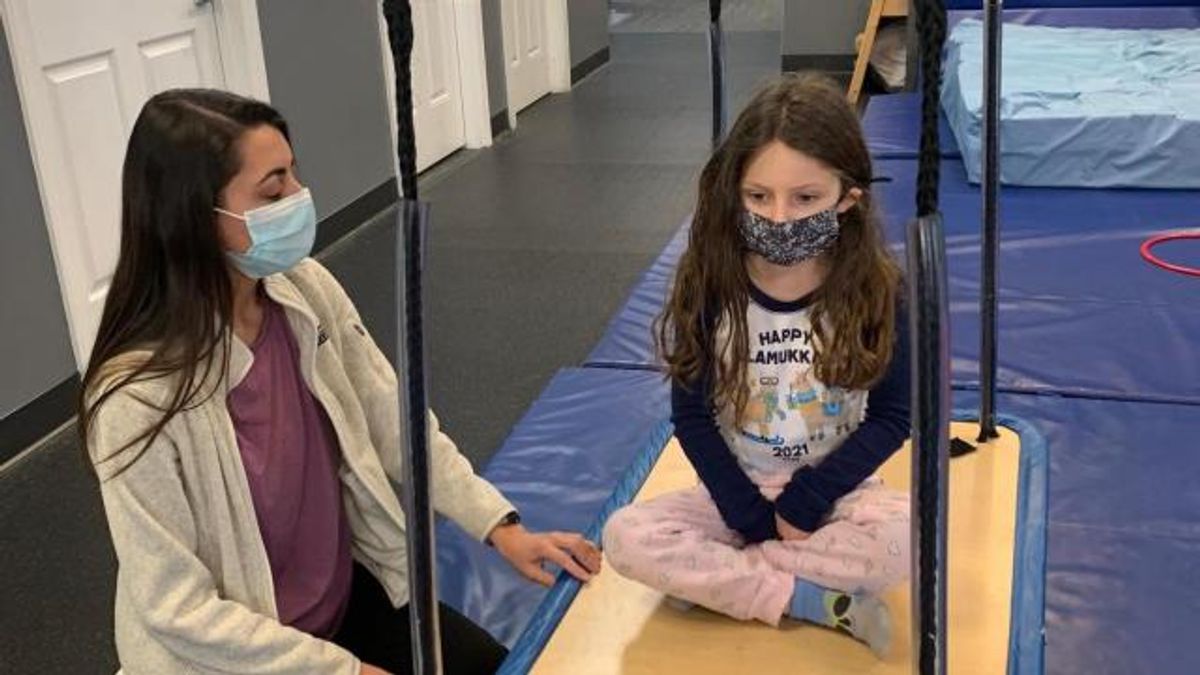
As therapies go, I believe Occupational Therapy is one of the less understood ones. Speech therapy helps you talk good, talk therapy is all about the feels, and occupational therapy is all about…your occupation?
What is an Occupation?
Other WRAL Top Stories
I think the word occupation, most often related to the workplace, is what throws people off. Occupations in the Occupational Therapy world, is any activity of daily living; Eating, drinking, brushing your teeth, having a tea party if that’s your thing, learning to use a prosthetic limb, regulating emotions (more on this later). For a therapy that has such broad and important reach, not a lot of people know what an Occupational Therapist (OT) does or how they help.
The Father of OT
Dating back to the early 1900s, Dr. William Dunton Rush Jr. was a strong advocate for occupational engagement as a therapeutic practice. He recognized the healing capabilities of daily activities for the mentally ill and often tasked his patients with quilting or similar activities. He ultimately went on to form the National Society for promotion of Occupational Therapy (now AOTA) and in 1915, published a manual for nurses on how OT should be utilized.
Why Occupational Therapy?
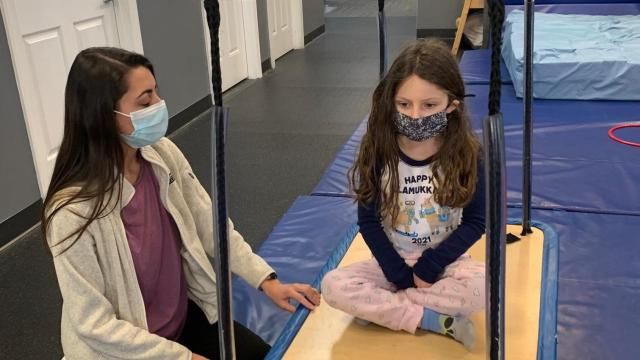
This was a question I couldn’t fully answer until my daughter began to see an OT regularly. At 5 years old, we struggled a lot with her big feelings, emotional and occasionally violent outbursts. It felt like every week she was being sent home from school for hurting a child or teacher, throwing toys and making the classroom a generally unsafe environment, not to mention the struggles we had at home and the aggressions towards us and her younger brother. To say we were at our wits end would be an understatement. We were lost and didn’t know what to do.
I was thankful for the help of a wonderful parent counselor whom we connected with at no cost through Wake County’s Project Enlightenment - if you don’t know this program, look it up. They are an incredible resource for parents of young children. It was this parent counselor that suggested we look at therapy to help our daughter. Not one to sit around, I immediately reached out to a trusted Mom Group to ask for help and recommendations. One mom in particular told me that she “had never seen her daughter happier than when she was in OT.” My cousin, a first grade teacher and parent to a high-functioning autistic son, similarly raved of the benefits. This felt like reason enough to try.
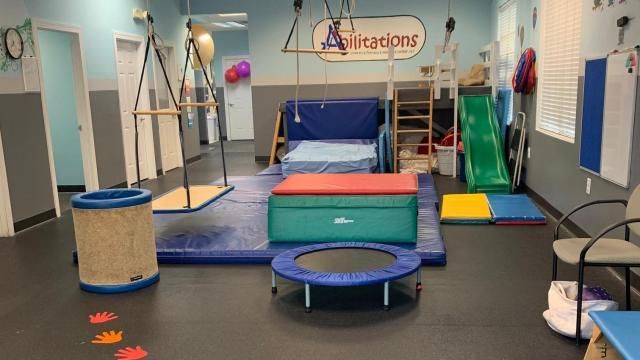
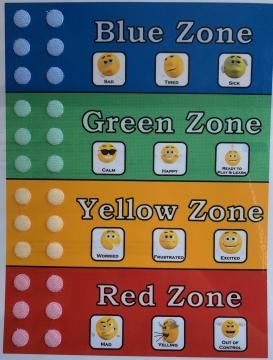
Six months in, I understand every rave. During the late spring of 2021, we had our assessment and began treatment at Abilitations Children’s Therapy and Wellness Center. In her weekly sessions, my daughter has learned about the Zones of Regulation:
- Blue: Sad, Tired, Sick
- Green: Calm, Happy, Ready to play and learn
- Yellow: Worried, Frustrated, Excited, Silly
- Red: Mad, Yelling, Out of control
We have reminders of the zones all over the house. One of our favorites is this velcro chart in which she can move her name to whichever zone she thinks she is in. It helps to reinforce the concept when things are going well so that we can use this language when she’s in the red zone.
She has learned to recognize which zone she is in and different skills to move from one zone to another. She has learned to regulate her emotions and use her words, not her body, to express frustrations. Of course these are things we taught at home and school, but she struggled. With the 1:1 attention from her OT, establishing techniques that take advantage of her strengths while reinforcing the lessons, has been a game changer.
Of course she still struggles, but I feel as if I have a partner in helping turn this little girl into a human. The progress she has made is immeasurable and I am so proud of her. Secretly, I also dread the day her OT says we no longer need to come.
Nili Zaharony is a Go Ask Mom contributor. She is the mom to 3 little ones (ages 5, 3, and 6 months) who keep her constantly on her toes.