Wildlife officials are warning North Carolinians that they could see alligators this summer, and not to panic.
Alligators are not a threat to people, unless people feed them, according to the N.C. Wildlife Resources Commission. You are more likely to get struck by lightning, or win a lottery, than you are to be attacked by alligator, researchers say.
Other WRAL Top Stories
Since 2020, only one person has been attacked and killed by an alligator. Cynthia Covert, 58, attempted to touch the alligator, and was then pulled in the water and killed in Kiawah Island, South Carolina.
Naturally, alligators fear humans. They have been hunted since Europeans arrived into the United States, according to researchers. But if they are fed by people, they lose their fear and associate humans "with an easy meal," officials said. Feeding, harassing or harming alligators is dangerous, and a violation of North Carolina law. Killing an alligator could cost you a $500 fine and 2 to 24 months in jail.
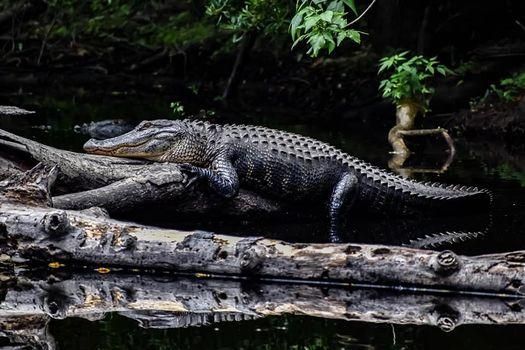
The majority of alligator attacks are caused by people attempting to capture, pick up or feed the alligators, research shows.
It's most common to see gators along lakes, swamps and rivers. Wildlife officials say that people should avoid feeding animals that live on the water with alligators — like ducks, geese, fish and turtles.
“Each year, the Wildlife Commission receives lots of calls from new and lifelong residents, as well as visitors, who are surprised to see alligators in coastal neighborhood ponds and ditches in the spring and summer months," said Alicia Davis, the Wildlife Commission's alligator biologist.
"Many of these alligators are just passing through on their way to somewhere else and will likely leave within a few hours or a couple of weeks if left alone," she said.
Davis says people should stay the length of a school bus away from a small alligator and double that for adult alligators. In North Carolina, gators can be as long as 13 feet and weigh up to 500 pounds.
She says residents should:
- Keep your pets on a leash, and make sure they don't swim, drink or exercise near water where alligators have been spotted
- Don't leave young children unattended near bodies of water
- Be careful around waters during dusk and dawn, when alligators are most active
- Don't approach an alligator, no matter its size
As temperatures drop outside, alligators burrow in the mud, hide in a den, or rest underwater. They are rarely spotted during winter months.
If an alligator becomes trapped in a swimming pool, or wanders into a public road and refuses to move, officials ask to call the N.C. Wildlife Helpline at 866-318-2401 Monday through Friday, 9 a.m. to 5 p.m. Only employees with the Wildlife Commission or licensed agent can remove the alligator legally.
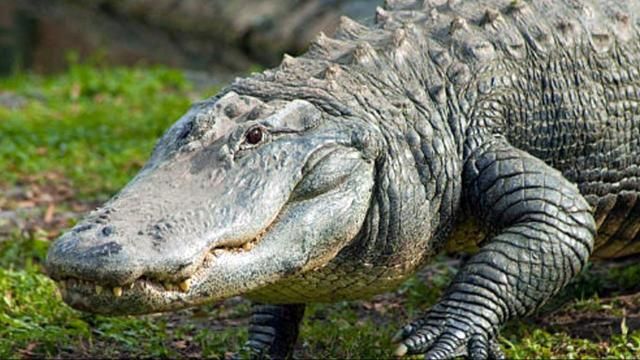
If you need to report an instance of someone poaching, harming, harassing or intentionally feeding alligators, call the Wildlife Commission’s Enforcement hotline at 1-800-662-7137.