[Note: This is part of a series told in first-person by local faith leaders, illuminating the rituals and traditions around dying.]
Having grown up as a Christian in the Bible Belt, it has been a journey for me to understand how people of no particular faith cope and get through trying times. I believe that a minister – no matter what their faith tradition -- must come to a maturity and confidence within their own beliefs in order to wholeheartedly be present with a person of a different (or no) faith system without trying to change them.
Other WRAL Top Stories
Before I became a healthcare chaplain, I was admittedly fearful that I would “lose my faith” by simply embracing that of another. Not the case! My personal faith has become more vibrant and tangible as I encounter people from “all over the map,” spiritually.
I hear it time and time again from well-meaning religious people: “I just don’t understand how people get through this without having their faith to hold on to.” Well, turns out, mostly with the same coping mechanisms! Friends, hobbies, art, reading, nature, pets … the same things that enrich my life and the lives of most religious people I know are the same things that enrich the lives of the non-religious people I know and serve. And often, these experiences are “spiritual” in nature.
Although a person’s religion can be central in defining their worldview, it is only a fraction of one’s spirituality. From a healthcare perspective, we see spirituality as encompassing emotions such as anger, fear, grief, exuberance, loss, frustration, acceptance, sorrow, or joy. Believers and non-believers alike often need to express these feelings to a neutral, trustworthy source. Sometimes those conversations are heartwarming and straightforward. Other times, spiritual distress (feelings of meaninglessness, anguish, not feeling centered or connected to god) is present as a person grapples with their life coming to an end.
Spiritual care during end of life is about affirming the personhood and dignity of the human being. It’s about validating their experiences, life story, and pain. It’s about helping the person transcend the limitations of their disease by finding meaning/purpose in the moment and beyond their physical health. These are all deeply spiritual matters, no matter what faith to which a person subscribes.
In short, it all boils down to love and listening. With these two values, one cannot go wrong.
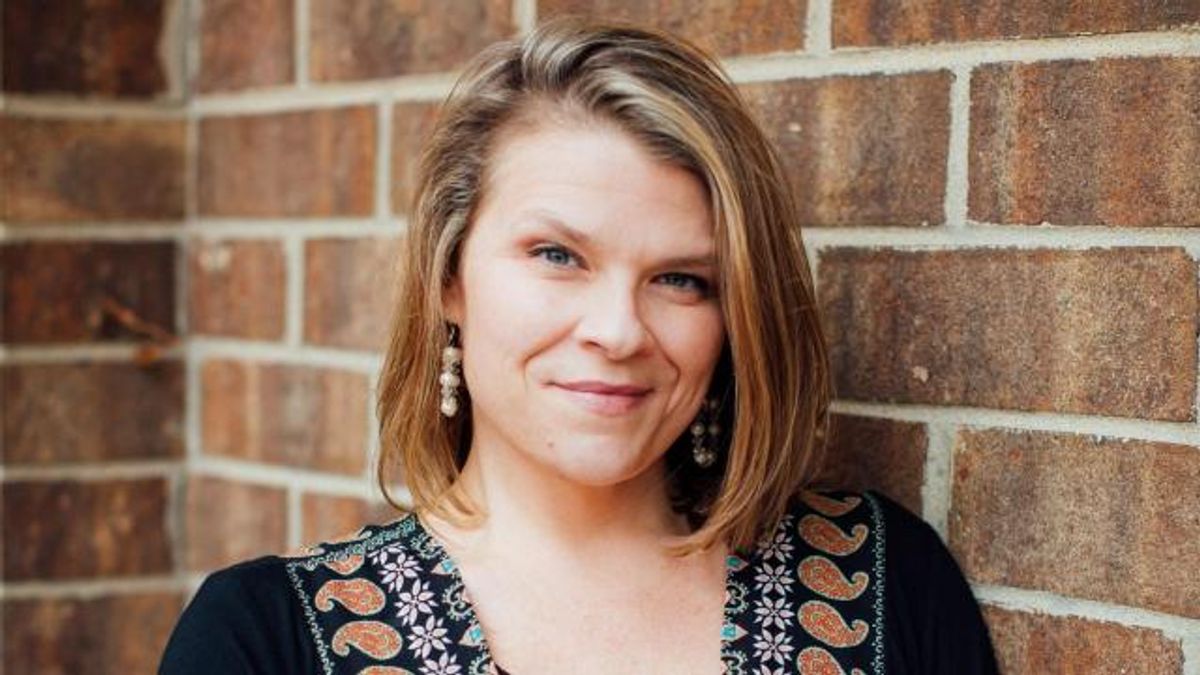
Heather McLendon has been a Spiritual Care Counselor with TransitionsLifeCare for four years. To read accounts from other faith leaders, visit the links below:
"Becoming the Angel of Death" (Christian Account)
"It's Time" (Jewish Account)
"Souls in Transition-No Beginning, No End" (Buddhist Account)
"Tulsi, Holy Water and Prayers" (Hindu Account)
"There to do what I can" (Muslim Account)