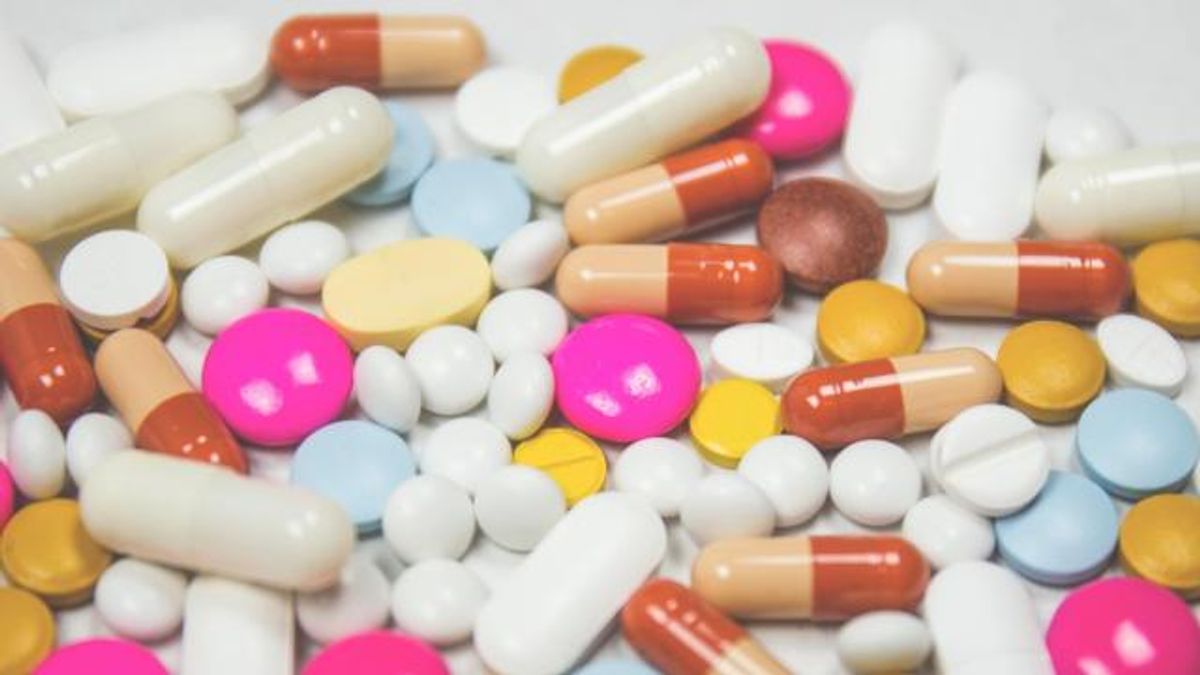
We hear a lot about underage drinking and marijuana use among teens. The United States' epidemic with opioids and heroin also regularly grabs headlines with eye-popping numbers and tragic stories.
But parents need to be aware of another drug that is growing in popularity among teens and young adults, says Robyn Jordan, clinical assistant professor and psychiatrist at UNC-Chapel Hill's School of Medicine. That drug, she said, is Xanax.
Other WRAL Top Stories
"When you're looking at high school," Jordan said, "we're not seeing as much heroin and pain killer use as we are seeing Xanax use."
It's hard to say exactly how many teens are getting high on Xanax, a benzodiazepine. Commonly called benzos, these drugs are typically prescribed to calm or sedate a person who is suffering from anxiety or panic attacks, according to the National Institute on Drug Abuse.
But prescription and over-the-counter drugs are the most commonly misused substances by Americans age 14 and older - after marijuana and alcohol, according to the National Institute on Drug Abuse for Teens. In 2017, about 16 percent of 12th graders reported misusing a prescription drug in their lifetime.
And the use of Xanax, in particular, has weaved its way into pop culture and social media. According to a 2018 article in Vulture, for example, rapper Lil Pump celebrated reaching 1 million Instagram followers with a cake that was shaped like a Xanax pill. Rapper Lil Peep died from a Xanax overdose last year. And rapper Lil Xan, actually named after the drug, announced earlier this year that he was working to kick his addiction and was thinking about changing his name.
So I checked in with Jordan to learn more about Xanax, why it's more often becoming a drug of choice for kids and what parents need to know about it.
Xanax is easy for teens to get
Many just need to look where their parents stash their prescription medications.
Between 1996 and 2013, the number of adults who filled a prescription for Xanax or another benzodiazepine medication increased by 67 percent - from 8.1 million to 13.5 million, according to the national drug abuse institute.
"They are very much overprescribed, and it's easy to get those from parents' medicine cabinets," Jordan said. "Opioids are harder to get. The availability has shifted."
Xanax doesn't seem like such a dangerous drug to teens
"For adults, we recognize the danger of it," Jordan said. "For teens, when it's a pill that's prescribed, it doesn't seem as dangerous."
Drugs that they might buy on the street - opioids, fentanyl or cocaine - could be laced with something.
"Taking a pill bottle out of your mom's medicine cabinet doesn't seem as bad," she said. "That's the mindset of kids."
Xanax, even if used correctly, will lead to dependence
Benzos are used for the treatment of anxiety and are intended to be used for short-term or acute treatment of the sometimes debilitating mental health disorder.
"Benzos are known to cause dependence, which means that whenever people take them, even if somebody takes them correctly, their body gets dependent on them," Jordan said.
But, though the drugs aren't intended to be used for a long period of time, some doctors are prescribing them that way. Jordan said there is a place for their short-term use. But, she said, "the majority of the time, that is not what happens."
Xanax use can start a vicious cycle of misuse
Once the medication wears off, people feel anxious and jittery - feelings that won't subside until they take more of the drug.
"People will have a really high anxiety when they start to withdraw from Xanax, which makes them take more Xanax," she said. "It just sets them up" for addiction.
Xanax isn't a habit users can quit easily
"That's tough - getting off benzodiazapines," Jordan said. "It's similar to alcohol. Withdrawal from alcohol or benzos can actually be life threatening. You can have seizures and end up dying from that."
Jordan said it's important for users who are ready to address their addiction work with a doctor or go to a detox center.
"It can take six months to two years," she said. "We very slowly get somebody off of Xanax."
And, she said, sadly the relapse rate is quite high.
What can parents do?
Talk with your kids - from an early age - about the dangers of drug abuse, Jordan said. Let them know if there is a history of addiction in their own family.
"It's very important for families to be upfront and honest that addiction runs in the family and you need to be careful," she said. "Just because addiction runs in the family doesn't mean they will develop alcoholism. But it does mean that everybody needs to be aware and much more cautious when they are using certain medications."
Role play with kids, so they know how to respond in certain situations. Make sure they understand the dangers of taking a pill that hasn't been prescribed by a doctor or given by a parent. Let them know that prescription drugs can be just as dangerous as any other drug.
"What happens with a lot of kids in middle school or high school, they say, 'I'm anxious today,' and a friend will give them a pill and say, 'It's OK. Take it.' They don't know what the pill is," she said.
What are the warning signs of a Xanax addiction?
All teenagers are going to be withdrawn and moody, but a significant change in their behavior is a telltale sign of drug misuse, she said.
With Xanax and other benzos, they may be sleeping more and seem more tired. Their eyelids may be droopy.
"And it doesn't have to be that they're hanging out with 'bad kids,'" she said. "They can get these pills from anybody."
Finally, she said, if you feel like your child is suffering from anxiety, get them to a doctor to be evaluated, so they don't attempt to self-medicate on their own.
"Some of us are becoming aware, but there are still many out there that are not," she said. "The supply is still great. ... It's available and it just seems easy to do - to pass these things around."
UNC offers help for those with alcohol or substance abuse issues.
If you or somebody you know is facing an addiction, you also can contact the national Substance Abuse and Mental Health Services Administration's Helpline at 1-800-662-HELP (4357).