Other WRAL Top Stories
CBC Editorial: Wednesday, April 25, 2018; Editorial # 8294
The following is the opinion of Capitol Broadcasting Company
There are consequences when the North Carolina General Assembly considers its main mission is cutting taxes. Critical tasks citizens rightly expect their government to perform -- like keeping them safe and secure -- don’t get done.
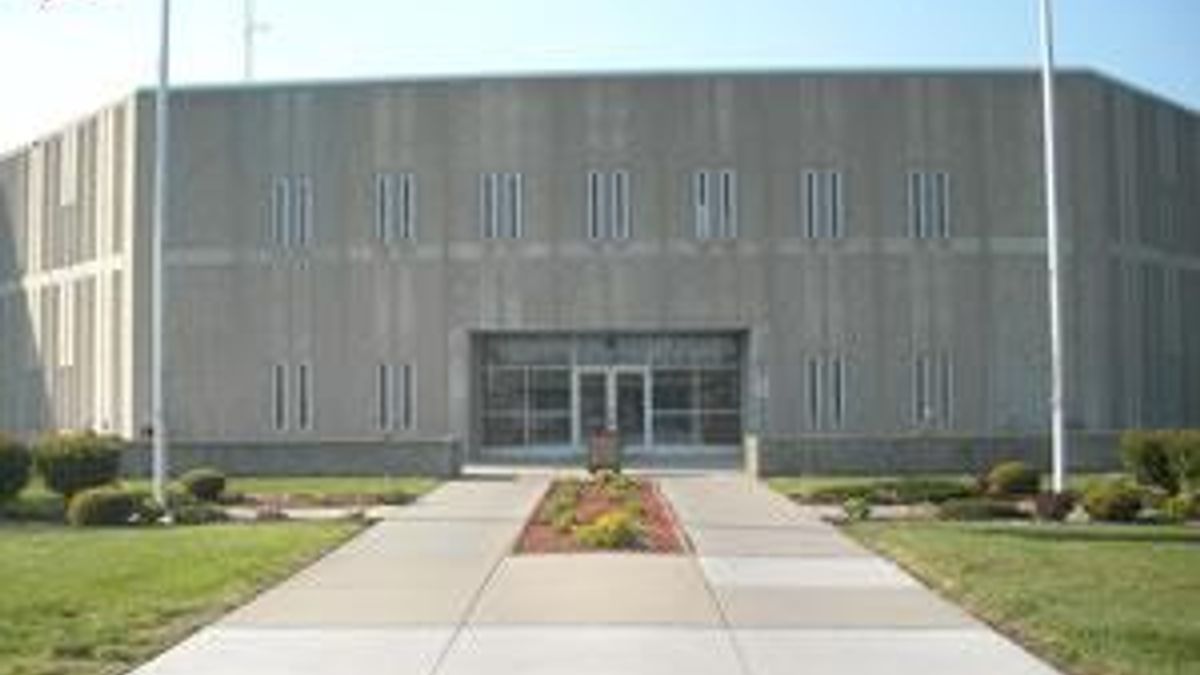
In the six months since an escape attempt at the Pasquotank Correctional Institution resulted in the death of four prison workers, at least 34 state prison workers have suffered injuries from assaults serious enough to cause them to lose work time.
In the years prior to the deadly October 2017 prison break, staff shortages at the state’s correctional facilities were climbing to dangerous levels, according to The Charlotte Observer’s in-depth reporting on the troubled institutions. All symptoms of an organization starved of the resources necessary to do its job.
The reports revealed the trouble hiring and retaining qualified staff with a vacancy rate of 22 percent at the state’s maximum-security prisons. The vacancy rate in jobs at the Pasquotank facility is 37 percent. Low pay remains a VERY critical issue in recruiting and retention. The current average pay for correctional officers is $35,300 – just about the same as for a STARTING public school teacher.
Staff shortages make it easier to smuggle contraband and for inmates to gain access to weapons. It also means officers working longer hours. In 2011, the state paid $4.2 million in overtime for prison workers. Five years later, it topped $22 million. “Overtime dollars will give you a great indication of how your facility is staffed,” Larry Reid of the National Institute of Corrections told legislators recently.
A 525% increase in overtime is NOT a good indicator.
Current state Department of Public Safety leaders have been working to address the situation. They’ve had federal officials along with experts from Duke University’s Sanford School of Public Policy review corrections staffing, security and operational policies.
Think of it – 9,000 corrections officers lacked email access. This is the 21st century, no wonder there are communications problems. Department officials say extending email is being implemented in stages with 3,000 officers getting access by the summer.
These are all problems with solutions tied to more money. But when cutting taxes, regardless of citizens' needs is the priority, the troubles our prisons are facing is the result.
The unmet Public Safety Department needs are just one of several areas – public schools and universities, the environment and natural resources, health care – crying out for attention after years of financial neglect.
There are an estimated half-billion in business tax cuts set to go into effect on July 1. The most important priority is NOT more tax cuts. It is adequately funding the most basic functions of government – including keeping the public safe.
Gov. Roy Cooper’s office is finalizing details on its budget request, and indicates he will be seeking more money for the prisons and specifically for corrections officers.
It is time for state legislators to recognize their obligation to serve ALL North Carolinians, not just a narrow sector. The safety and lives of state workers and our citizens are at stake.
The legislature is on track to further reduce corporate taxes on companies that just received a huge federal tax cut, are showing record profits and have more cash on hand than at any time in history. Ideology run amok.