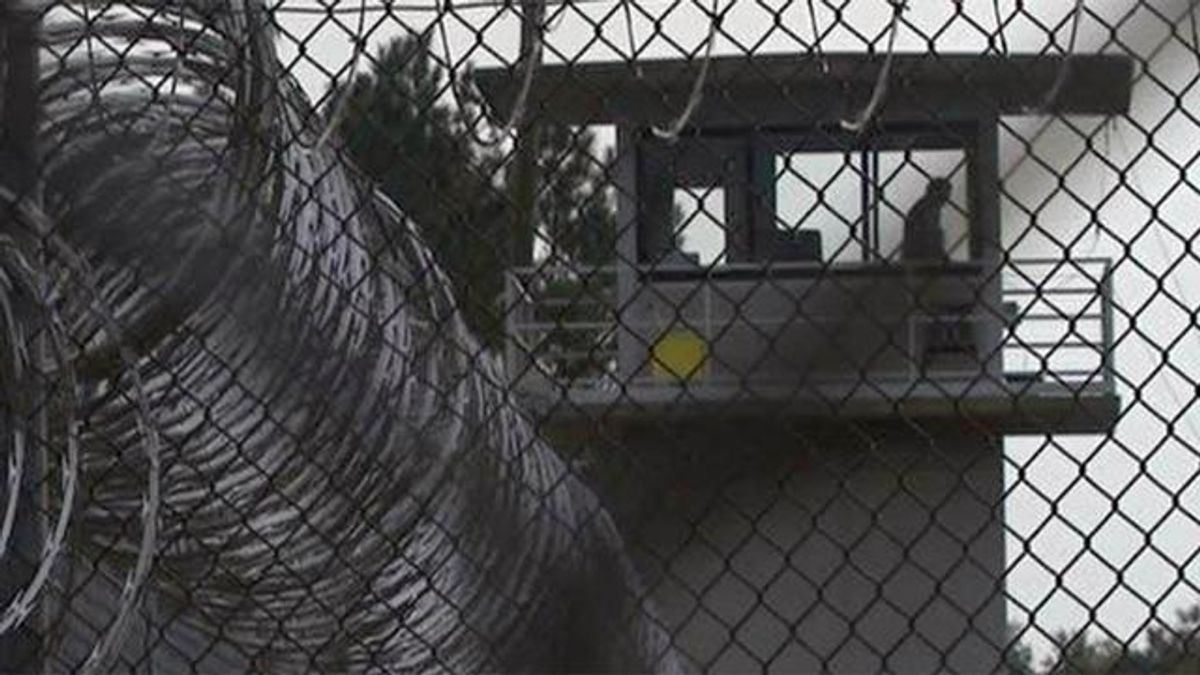
Policies and procedures have been changed, safety equipment is being distributed, hiring has sped up and more training is being conducted at state prisons, officials told lawmakers Thursday.
Last year was the deadliest year in the history of North Carolina's prison system. One corrections officer was killed by an inmate at Bertie Correctional Institution last April, and a failed prison break at Pasquotank Correctional Institution in October left four prison workers dead.
Other WRAL Top Stories
The state Department of Public Safety called in federal investigators after the October incident to review prison operations, and they made more than 100 recommendations.
Larry Reid, who led the team from the National Institute of Corrections, said investigators found many problems and deficiencies at Pasquotank Correctional.
The prison has had a staffing vacancy rate of around 25 percent, and Reid said the facility was so short-staffed the day of the attack that it was not able to fully operate safely. Correctional officer Justin Smith, who was killed in the sewing plant during the attack, was doing the work of three employees the day he was killed, Reid said.
"Our impression is they were trying to do their best under the circumstances, and as a result, there were shortcuts occurring," he said. "As a matter of fact, they had to rely on inmates to do some of the functions just to get the mission done."
He also pointed to outdated policies and a lack of training as problems in the prison.
Rep. Bob Steinburg, R-Chowan, whose district includes Pasquotank Correctional, wanted to know why the report didn't hold DPS officials accountable for prison mismanagement. Reid said his team was called in to study the operations of two prisons, not the entire state agency.
Steinburg, a frequent critic of the prison system, held up a cardboard box that he said contained letters from scores of prison workers complaining of problems. DPS Secretary Erik Hooks and Director of Prisons Kenneth Lassiter said they welcome input from staffers as they try to make improvements, but Steinburg said many of the workers fear retaliation if they speak out.
Lassiter said many of the recommendations by Reid's are already being implemented. High-security inmates, for example, will no longer be allowed to work with potentially dangerous tools in prison workshops, and stab-resistant shirts are being handed out to workers.