Log in to WRAL.com with one click using your favorite social network:
OR
Log in using your WRAL.com account:


Wrong email/password combination.

Forgot password?

Register with WRAL.com using your favorite social network:
OR
Register for a WRAL.com account using our web form.

Login Options

4:34 p.m. • 2-10-12

Weather Forecast for Raleigh

  • Sat: Partly Cloudy.
    • Hi: 54° F
  • Sun: Clear.
    • Hi: 43° F
  • Mon: Mostly Cloudy.
    • Hi: 47° F

Other Locations

> 7 Day Forecast

Doppler Image

Marketplace Links

Social Links

Main Menu

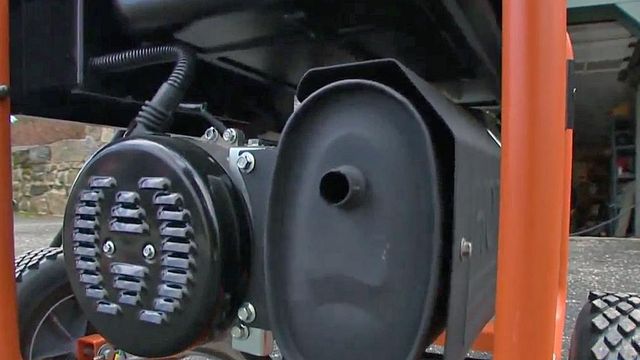
Portable generator safety tips


e-mail print friendly
generator
generator
  • Always read and follow all operating instructions before running your generator.
  • Gasoline engines emit carbon monoxide, an odorless, invisible gas that can be deadly. Therefore:
    • Never use a generator indoors or in partially enclosed spaces, including homes, garages, basements and crawl spaces – even those with partial ventilation. Using a fan and opening doors or windows does not provide enough fresh air.
    • Never run a generator near open windows or in areas where people or animals are present.
    • Use a battery-powered carbon monoxide detector when running your generator and call the fire department when unsafe levels of carbon monoxide are detected.
    • Be aware of the symptoms of carbon monoxide poisoning, including dizziness, fatigue and headaches, and get medical attention immediately if poisoning is suspected.
  • Always connect the generator to appliances with grounded, heavy-duty extension cords. Do not use a frayed or worn cord.
  • Coiled cords can get hot. Always uncoil cords and lay them in flat open locations.
  • Have a qualified electrician install the generator, if you must connect it through your home's wiring. Never plug your generator directly into your home outlet.
  • Never store fuel for your generator in your house, and always use fresh gas in your generator. If you do not plan to use your generator in 30 days, stabilize the gas with fuel stabilizer.
  • Gasoline and its vapors are extremely flammable. Before refueling your generator, turn it off and let it cool for at least two minutes.
  • Keep your generator at least 5 feet away from any structures or combustible materials. Reflective exhaust heat can damage the fuel tank, causing fire.
  • Do not operate your generator under wet conditions. Protect it from exposure to rain and snow. Generators produce powerful voltage.
  • Maintain your generator according to the maintenance schedule for peak performance and safety. Start up your generator from time to time to prevent stale fuel from clogging the mechanism.


Safety tips courtesy of FEMA and Briggs & Stratton Power Products
RELATED TOPICS: Hurricane Season

e-mail print friendly

0 Comments


WRAL.com welcomes your comments on this story. All comments are moderated prior to publication based on our posting guidelines. Please review them prior to posting and if your message is not approved.

View Comments 0 COMMENTS

This story is closed for comments.

View Comments 0 COMMENTS
Report It

Coastal Webcams

advertisement